Starting mental health care can feel easier when the focus is not just on a diagnosis or a checklist, but on you as a whole person. If you have been asking, what is person centered treatment, the short answer is this: it is an approach to care that respects your voice, your goals, your lived experience, and your right to help shape the support you receive.
Person centered treatment is built on dignity. Instead of fitting someone into a rigid plan, it starts with understanding what matters most to that individual. That may include emotional wellness, family responsibilities, cultural values, daily stress, housing stability, work demands, spiritual beliefs, or past experiences with care. The treatment process is then shaped around those realities so support feels relevant, practical, and empowering.
What Is Person Centered Treatment in Mental Health?
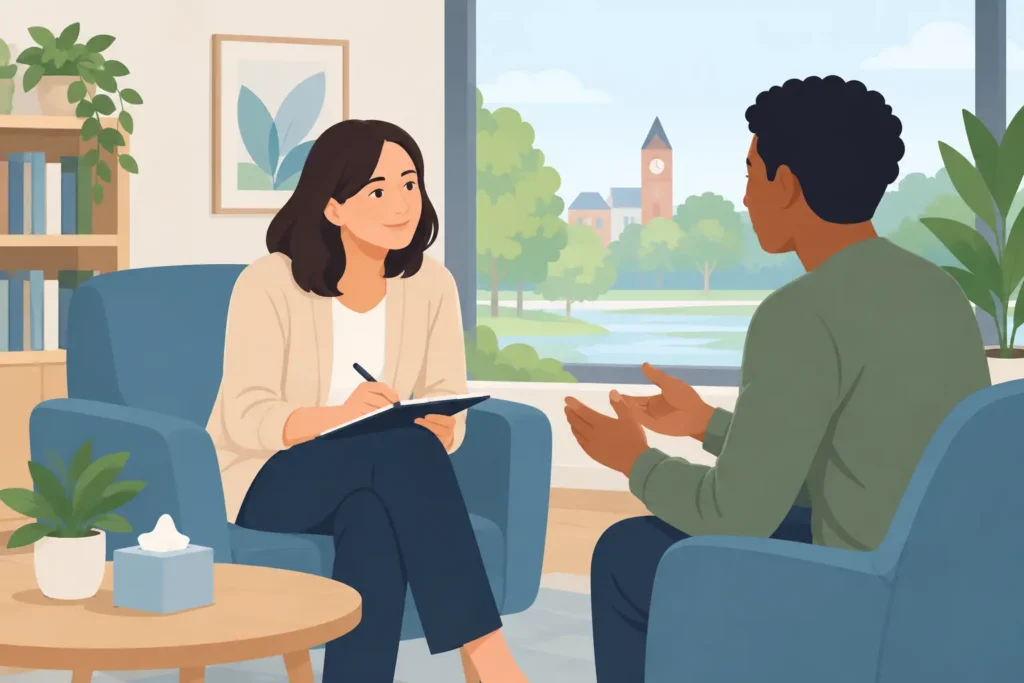
In mental health settings, person centered treatment means care is guided by partnership rather than one-way instruction. A provider brings clinical knowledge, but the person seeking support brings equally important expertise about their own life. Together, they create a plan that reflects both professional insight and personal priorities.
That matters because people do not experience mental health in exactly the same way. Two individuals may share similar symptoms but need very different types of support. One person may want help managing stress at work. Another may be focused on improving communication at home. Someone else may be looking for a safe place to process grief, adjust to change, or build coping tools for everyday wellness. A person centered approach leaves room for those differences.
This model also recognizes that healing is not one-size-fits-all. For some people, structure and clear goals feel grounding. For others, a slower pace and more space to build trust may be the right fit. Person centered treatment makes room for both.
The Core Ideas Behind Person Centered Care
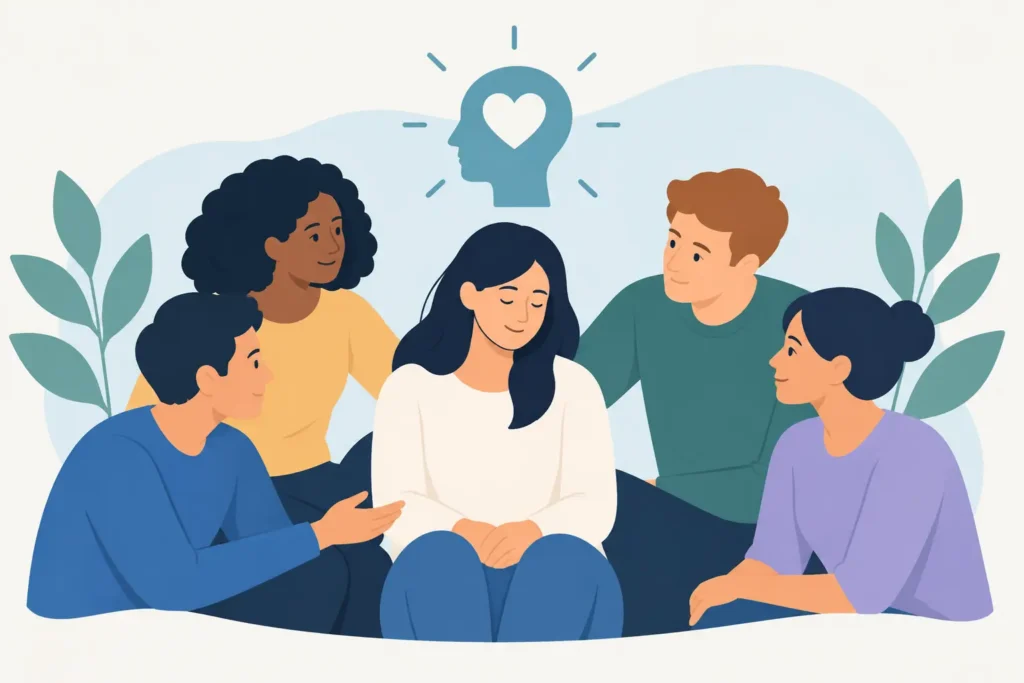
At the heart of this approach is the belief that every person deserves to be seen with respect, care, and compassion. That sounds simple, but in practice it changes how treatment is delivered.
First, there is collaboration. Decisions are made with you, not just for you. You can ask questions, share concerns, and talk openly about what feels helpful. If something in the plan does not fit your life, a person centered provider works with you to adjust it.
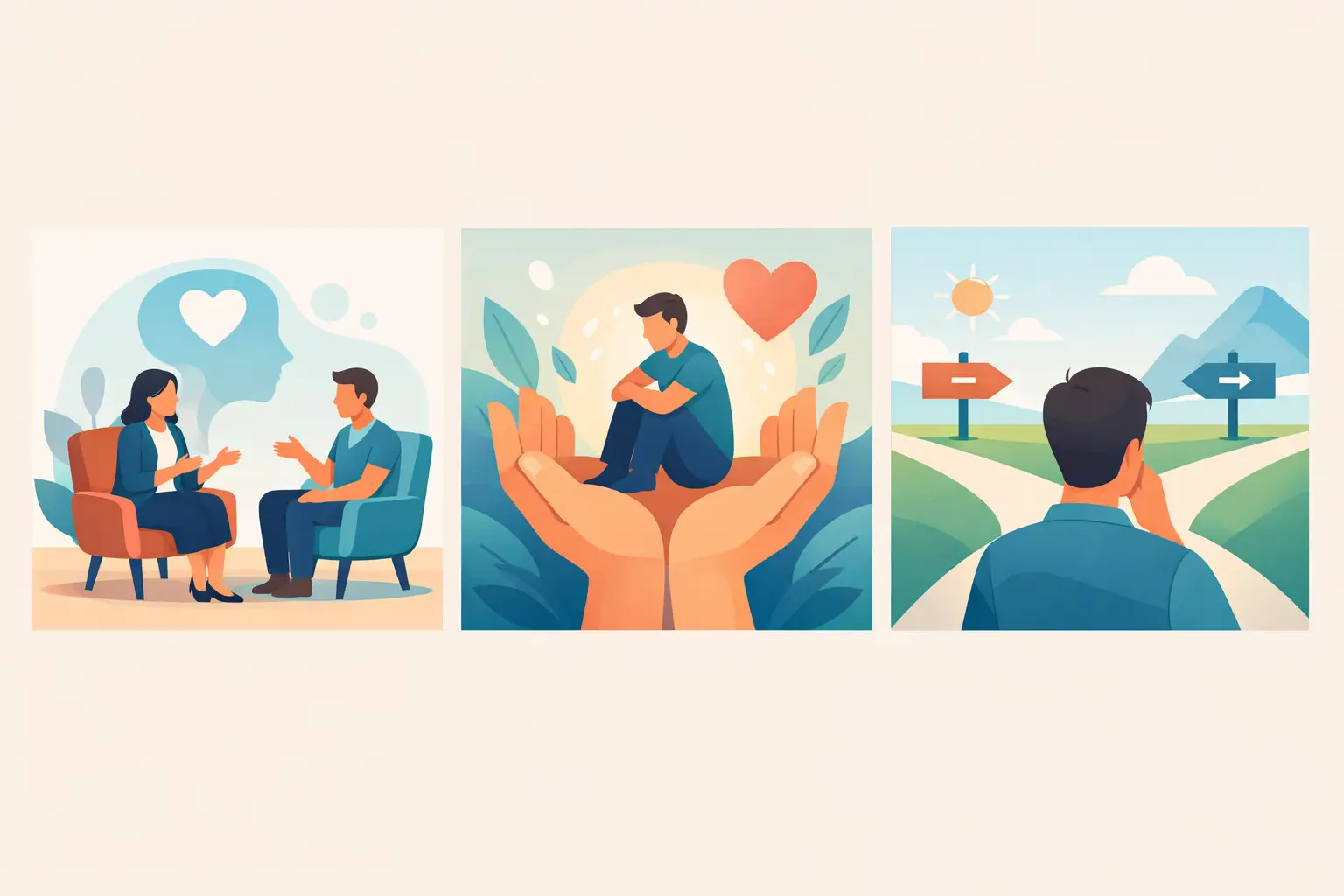
Second, there is choice. That may include discussing different service options, deciding between virtual or in-person appointments, or setting goals that feel meaningful to you. Choice supports engagement because people are more likely to stay connected to care when they feel heard and respected.
Third, there is a whole-person perspective. Mental wellness is connected to many parts of life, including relationships, routines, community support, and physical health. A person centered provider pays attention to the full picture rather than narrowing care to one symptom alone.
Finally, there is trust. Confidentiality, clear communication, and a welcoming environment help people feel safe enough to begin care and continue it. For many first-time therapy seekers, that sense of safety is what makes the next step possible.
How Person Centered Treatment Looks in Real Life
Person centered treatment is more than a philosophy on paper. It shows up in the way appointments are scheduled, how intake is handled, and how conversations unfold over time.
A person centered intake process is designed to guide rather than overwhelm. Instead of expecting you to arrive with perfect language for what you need, the provider helps clarify your concerns, your goals, and what type of support may fit best. This is especially helpful for people who know they want support but are not sure where to begin.
In sessions, the provider listens for your priorities. If your main goal is feeling calmer during the week, treatment may focus on stress management, emotional regulation, and routines that support balance. If you want to strengthen resilience after a major life transition, the work may center on coping strategies, support systems, and processing change.
The plan can evolve too. Person centered care is responsive. As your needs shift, your treatment can shift with them. That flexibility helps care remain useful instead of feeling disconnected from daily life.
Why This Approach Matters
Many people delay care because they want support to feel approachable, respectful, and confidential. Person centered treatment helps reduce that hesitation by making space for the human side of care.
When people feel included in the process, they often feel more invested in it. When their values and goals are respected, support can feel more relevant. And when communication is clear and compassionate, the path into care feels easier to begin.
This approach can be especially meaningful for adults and families who are balancing multiple responsibilities. If you are working, caring for loved ones, managing stress, or simply trying to stay steady through a demanding season, treatment should fit your life as much as possible. That is one reason flexible options such as virtual and in-person care can be part of a person centered model.
It also supports dignity in a very practical way. Dignity means you are not reduced to a label. You are recognized as a person with strengths, preferences, and the ability to participate in your own wellness journey.
What Person Centered Treatment Is Not
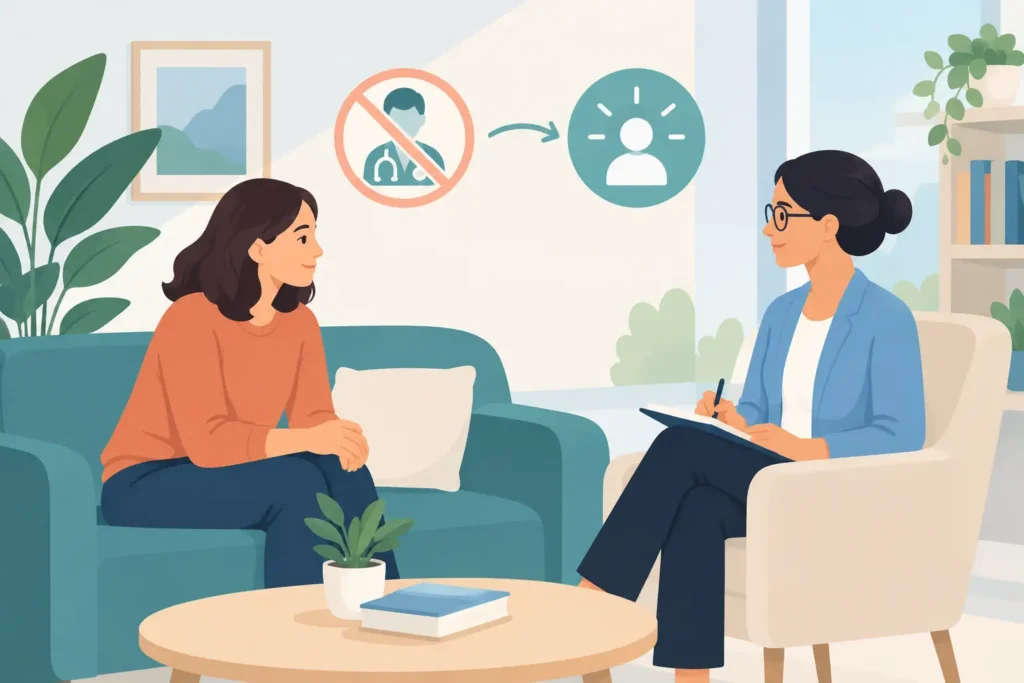
Sometimes it helps to clarify what this approach does not mean. Person centered treatment is not a lack of structure or professional guidance. It does not mean a provider steps back and leaves you to figure everything out on your own.
Instead, it balances clinical expertise with personal partnership. Providers still assess needs, offer recommendations, and use evidence-based strategies. The difference is that they do so in a way that honors your perspective and keeps care aligned with your goals.
It also does not mean every session looks the same for every person. Some people want direct tools and action steps. Others benefit from reflection, support, and gradual progress. Person centered treatment allows care to be individualized without losing professionalism or consistency.
Signs a Provider Uses a Person Centered Approach
You can often recognize person centered treatment by how a provider communicates from the start. They ask about your goals, not just your symptoms. They explain options clearly. They make room for your questions. They respect your pace while still helping you move forward with purpose.
A person centered provider also pays attention to access. That includes making it easier to begin services, offering confidential communication, and creating a clear intake process that feels supportive. For many people, practical access is part of compassionate care.
In communities such as Chicago and nearby suburbs, this can matter even more. People are often looking for mental health support that is both professional and easy to begin, especially when they are navigating busy schedules or seeking care for the first time. An approachable, guided intake process can make a meaningful difference.
How to Know if Person Centered Treatment Is Right for You
If you want care that feels collaborative, respectful, and tailored to your life, this approach may be a strong fit. It can be especially helpful if you value being heard, want flexibility in how support is delivered, or are looking for guidance without pressure.
It is also a good fit for people who are not fully sure what type of service they need yet. Person centered care leaves room for discovery. You do not have to arrive with all the answers. A thoughtful provider can help you clarify your needs and connect with the right path.
For some people, the most important factor is simply feeling safe enough to start. That may mean knowing communication is confidential, intake is straightforward, and support is available in a way that respects your schedule and comfort level. Ready 2 Heal reflects that kind of care by making mental health support feel welcoming, structured, and centered on the person behind the appointment.
A More Human Way to Begin Care
When people ask, what is person centered treatment, they are often asking something even deeper: will I be treated like a person here? The best answer is yes. Person centered treatment is care that listens before it directs, supports before it assumes, and builds a plan around your real life.
That kind of care can create space for growth, resilience, and emotional wellness in a way that feels steady and respectful. If you are considering support, it helps to know that care can begin with a conversation that honors who you are and where you want to go next.