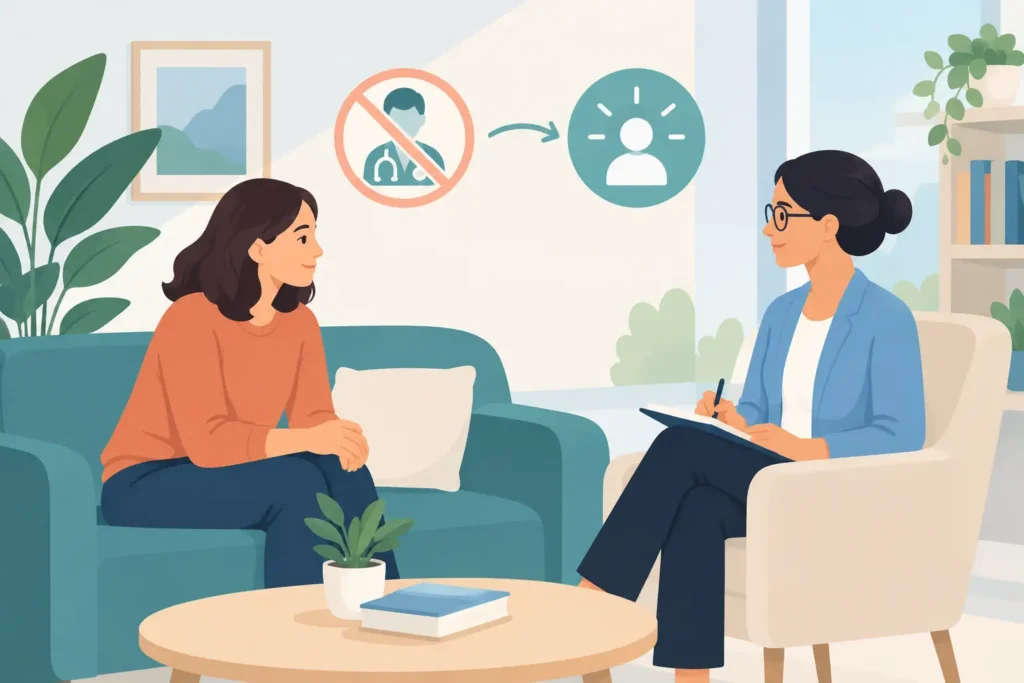

When someone says they need support, they are often talking about more than a diagnosis or a single hard week. They may be feeling overwhelmed, emotionally drained, stuck in patterns that are hard to change, or simply unsure where to start. That is where behavioral health support comes in. If you have been wondering what is behavioral health support, the simplest answer is this: it is care that helps people strengthen their mental wellness, manage emotions, build healthier coping skills, and connect with the right kind of help for their needs.
Behavioral health support looks at the connection between thoughts, feelings, actions, stress, relationships, and daily functioning. It is person-centered care, which means the focus is not just on symptoms. The focus is on the whole person – their experiences, strengths, goals, routines, and the kind of support that will feel useful and sustainable in real life.
What is behavioral health support in everyday terms?
In everyday language, behavioral health support is guidance and care for the emotional and behavioral parts of wellness. That can include therapy, stress management support, emotional wellness services, counseling, skill-building, and coordinated intake that helps someone find the right next step.
For some people, support begins during a season of stress. For others, it begins because they want help managing anxiety, mood changes, trauma, relationship strain, life transitions, or a long-standing mental health condition. Some people are looking for a space to talk. Others want practical tools they can use between sessions. Both are valid.
The phrase behavioral health can sound clinical, but the care itself is often very human. It may involve learning how to respond to stress with more calm, recognizing emotional patterns, improving communication, creating routines that support wellness, or talking with a licensed professional in a confidential setting. At its best, behavioral health support helps people feel seen, respected, and better equipped for daily life.
How behavioral health support is different from general wellness advice
General wellness advice often stays broad. It might encourage rest, exercise, journaling, or mindfulness. Those can be helpful tools, but behavioral health support goes further by offering personalized care based on what a person is experiencing.
That difference matters. Two people can both feel stressed and need very different forms of support. One may benefit from short-term therapy focused on coping skills. Another may need ongoing counseling and a structured care plan. Another may simply need a guided intake process to understand which service path fits best.
Behavioral health support also creates a safe, confidential space for conversations that can be hard to have elsewhere. That sense of privacy and dignity is especially meaningful for people who are reaching out for the first time.
What kinds of issues can behavioral health support help with?
Behavioral health support can be helpful for a wide range of emotional and mental wellness needs. It often includes care for stress, anxiety, depression, trauma-related concerns, grief, burnout, emotional regulation, and challenges related to life changes. It can also support people who want to improve coping skills, strengthen resilience, or better understand patterns in their thoughts and behaviors.
Sometimes support is focused on a specific concern. Sometimes it is broader and centered on overall emotional wellness. There is no single reason someone has to seek care. If something in your inner life or daily functioning feels like it would benefit from support, that is reason enough to explore your options.
It also helps to know that care is not one-size-fits-all. The right support for one person may not be the right support for another. Good behavioral health care makes room for that. It asks what matters to you, what feels manageable, and what kind of progress you want to make.
What behavioral health support may include
Behavioral health support can include several types of services depending on the provider and the person’s needs. A common starting point is therapy or counseling, where individuals meet with a professional to talk through emotions, experiences, stressors, and goals. These sessions may focus on insight, practical coping strategies, emotional processing, or a combination of all three.
Another important part of support is intake and care coordination. Many people know they want help but are not sure what type. A guided intake process can make the first step feel much easier. Instead of expecting someone to already understand the system, a strong provider helps them identify the service path that fits their concerns, preferences, and schedule.
Behavioral health support may also be available in different formats. Some people prefer in-person care because they value face-to-face connection. Others prefer virtual sessions because they offer privacy, flexibility, and easier scheduling. Neither option is better across the board. It depends on the person, their routine, and what helps them feel most comfortable engaging in care.
Who can benefit from behavioral health support?
The short answer is that many people can benefit from it. You do not need to wait for life to feel unmanageable before reaching out. Support can be helpful when you are feeling emotionally stretched, adjusting to a major life change, carrying long-term stress, or trying to improve your mental wellness with more intention.
Adults, families, and first-time therapy seekers often benefit from services that are easy to access and clearly explained. People are more likely to follow through when care feels welcoming rather than complicated. That is one reason approachable intake, confidential communication, and flexible scheduling matter so much.
For communities in and around Chicago, including Des Plaines, Rosemont, Elmwood Park, Harwood Heights, and Norridge, local access can also make support feel more real and more reachable. When care is available both virtually and in person, it becomes easier to choose the format that fits everyday life.
What to expect when starting behavioral health support
For many people, the first question is not whether support could help. It is what the first step will actually feel like.
Usually, it starts with a conversation. You may be asked what brought you in, how you have been feeling, what kind of support you are looking for, and whether you have preferences around scheduling or session format. This part should feel respectful and clear. You do not need to have the perfect words prepared.
From there, the provider may recommend a service path based on your goals. That could mean individual therapy, stress management support, or another behavioral health service that matches your situation. The process should feel collaborative. Good care does not talk at you. It works with you.
Confidentiality is also a major part of the experience. Many providers use HIPAA-compliant systems for communication and records, which helps protect privacy and build trust. For people who value discretion, this can make it easier to begin.
Why accessibility matters in behavioral health care
Support is most helpful when people can actually reach it. That may sound obvious, but access shapes every part of care. Long wait times, confusing processes, and unnecessary gatekeeping can make people feel like support is farther away than it really needs to be.
Accessible behavioral health support removes as much friction as possible. That can mean no referral requirement, quick and confidential intake, clear communication, and options for virtual or in-person therapy. These details are not just conveniences. They help transform intention into action.
This is especially true for people who are seeking support for the first time. When care feels simple to begin, it becomes easier to take that first step with confidence.
What to look for in a behavioral health provider
If you are exploring care, look for a provider that combines professionalism with warmth. Clinical expertise matters, but so does the way support is delivered. Many people want a provider who listens well, explains things clearly, respects personal goals, and creates a sense of emotional safety.
It also helps to look for person-centered care. That means your experience is not reduced to a label. Your values, preferences, and day-to-day reality are part of the plan. A provider should help you feel supported in a way that honors your dignity and your pace.
Ready 2 Heal reflects this approach by making access to care more straightforward and supportive, with guided intake, confidential communication, and therapy options designed to meet people where they are.
What is behavioral health support really meant to do?
At its core, behavioral health support is meant to help people feel more steady, more connected, and more capable in their daily lives. It is not about becoming a different person. It is about having support that helps you care for your emotional wellness with clarity and compassion.
Sometimes that means learning new coping strategies. Sometimes it means processing difficult experiences in a safe space. Sometimes it means finally having a place where you do not have to figure everything out on your own. The right support can create momentum, relief, and resilience over time.
If you have been asking what is behavioral health support, the answer may be simpler than it first appears. It is care that meets people with dignity, helps them understand what they are carrying, and offers a path forward that feels approachable. Reaching for support is not a big performance. It can be one quiet, thoughtful step toward feeling more like yourself again.