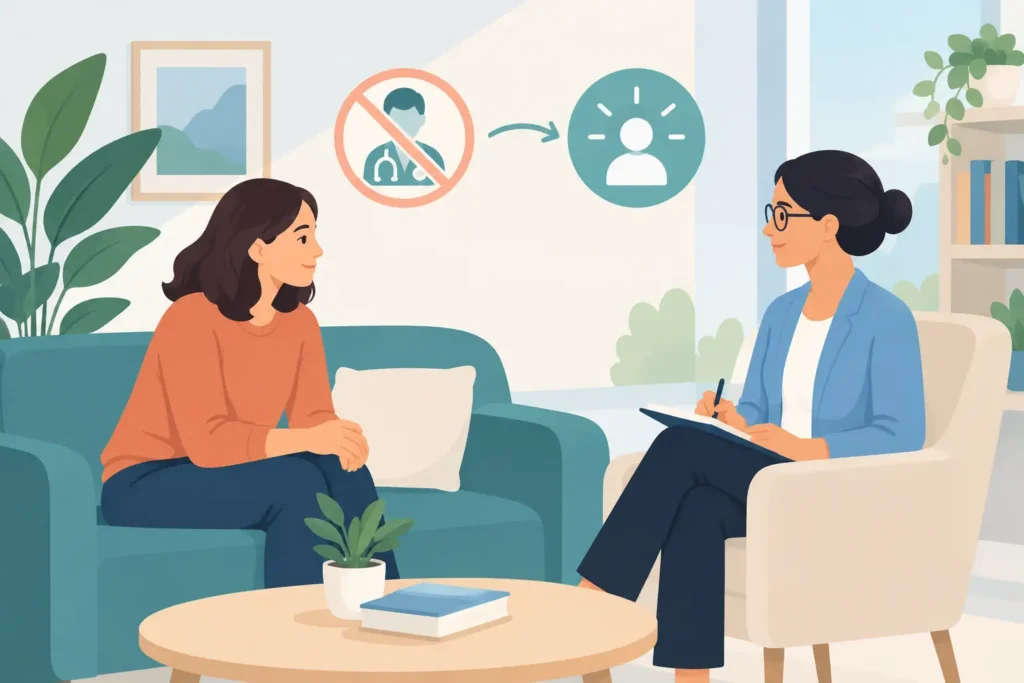

A first counseling appointment can begin with one simple thought: this is a space where your story is treated with care. The top benefits of confidential counseling center on that sense of privacy, dignity, and trust. When people feel comfortable sharing what is on their mind, counseling can become a meaningful part of emotional wellness, stress management, and personal growth.
Confidential counseling supports people at many points in life. You may be looking for guidance through a transition, support for ongoing emotions, practical ways to manage stress, or a place to reflect on your goals. Whatever brings you to care, privacy helps create an environment focused on you.
1. A private space supports honest conversation
Counseling is most helpful when you can speak openly about your experiences, relationships, hopes, routines, and feelings. Confidentiality helps set the tone for conversations that are personal, respectful, and centered on your needs.
Rather than trying to organize every thought before an appointment, you can bring the real version of your experience. A counselor can help you sort through what feels most meaningful, identify patterns, and choose practical next steps at a pace that feels right for you.
This kind of private setting can be especially welcoming for first-time therapy clients. You do not need perfect words or a complete plan before you begin. Starting with what is most present for you is enough.
2. Counseling protects dignity and personal choice
Everyone deserves mental health care that honors their dignity. Confidential counseling reinforces that your wellness journey belongs to you. You decide what you would like to discuss, which goals matter most, and how you want to engage with the process.
Person-centered care recognizes that each individual brings their own strengths, culture, family experiences, values, and definition of wellness. A counselor can offer professional guidance while respecting your role as the expert on your own life.
For families, this approach can also create a thoughtful structure for communication. Family members can receive support that respects each person’s perspective while keeping shared goals in view.
3. Privacy can make beginning care feel more comfortable
Many people spend time considering whether counseling is the right next step. Clear privacy practices can make that first decision feel more approachable. Knowing that your information is handled with care allows you to focus on the support you want rather than the logistics around it.
At a quality behavioral health provider, confidentiality is part of the care experience from the beginning. Intake staff can explain how communication, appointments, and health information are handled. HIPAA-compliant practices help protect personal health information and reflect a commitment to professional, respectful service.
A guided intake also helps match you with an appropriate service path. You can share what you are looking for, ask questions, and receive support as you take the next step toward care.
4. A trusting relationship strengthens the counseling process
The connection between a client and counselor is one of the most valuable parts of therapy. Trust grows over time through listening, consistency, empathy, and respect for privacy. As that relationship develops, counseling can become a steady place to practice new ways of thinking, communicating, and caring for yourself.
A trusted counselor can help you explore your strengths alongside the areas where you want more support. You might work on emotional awareness, healthy routines, relationship skills, stress management, or resilience during life changes. The goals can evolve as your needs and priorities evolve.
Progress looks different for every person. Sometimes it comes through a fresh perspective, a useful coping tool, a meaningful conversation, or a greater sense of clarity. Confidential care gives these moments room to develop naturally.
5. Confidential counseling supports healthier stress management
Stress can show up in work, family responsibilities, caregiving, school, finances, relationships, and daily routines. Counseling offers dedicated time to understand your stress response and build strategies that fit your life.
Your counselor may help you recognize what restores your energy, create boundaries that support your wellness, and develop grounding practices for busy moments. Together, you can turn broad hopes such as “I want to feel more balanced” into small, realistic actions.
Because the conversation is private and focused, you can be specific about the circumstances that shape your day. That specificity helps make your care more relevant. A strategy that works for a parent with a full household schedule may look different from one that works for a professional managing a demanding workweek. Both deserve personalized support.
6. Flexible options make care easier to maintain
Privacy and accessibility work well together. Many people appreciate the option to choose care that fits their schedule, comfort level, and transportation needs. In-person and virtual therapy can each provide a supportive setting for counseling.
Virtual sessions may be a helpful choice for people who value convenience and want to connect from a private location that feels comfortable. In-person sessions can offer a dedicated space away from everyday responsibilities. The best option depends on your preferences, schedule, and care needs.
For community members in Chicago, Des Plaines, Rosemont, Elmwood Park, Harwood Heights, and Norridge, accessible behavioral health services can help make ongoing support feel more practical. When appointments fit more naturally into life, it can be easier to stay connected to your wellness goals.
7. Clear communication builds confidence in care
Confidential counseling includes more than private sessions. It also includes clear communication about what you can expect. A welcoming provider will explain the intake process, scheduling options, communication practices, and the role of your counselor in language that feels easy to understand.
This clarity gives you an active role in your care. You can ask about services, share preferences, and understand how your information is protected. Professional guidance should feel approachable, especially when you are starting a new service or returning to therapy after time away.
Ready 2 Heal approaches behavioral health support with compassion, accessibility, and respect. Quick, confidential intake and person-centered care can help community members move from wondering about support to taking a comfortable next step.
8. Confidential care encourages lasting wellness habits
Counseling is not only a place to discuss what is happening this week. It can also help you build skills that support your future. Over time, you may gain a stronger understanding of your needs, values, communication style, and sources of resilience.
These insights can support everyday decisions. You may notice when you need rest, feel more prepared to express a need, or choose routines that support your emotional wellness. Counseling can help turn self-awareness into caring action.
The pace is personal. Some people seek focused support around a specific goal, while others value an ongoing space for reflection and growth. Both paths can be meaningful, and each begins with a conversation that honors privacy and respect.
What confidentiality means in a counseling relationship
Confidentiality is a professional commitment to handling your personal health information with care. Before or during intake, your provider can explain privacy practices, consent forms, and how information is shared within the care process. This conversation is a helpful opportunity to ask questions and understand what supports a safe, respectful therapeutic relationship.
It is also useful to share your communication preferences. You may have preferences for appointment reminders, phone messages, virtual session settings, or contact methods. Discussing these details early can help make the experience feel tailored to your needs.
Choosing counseling is an act of care for yourself and, often, for the people and communities you value. A confidential, compassionate space can give you room to be heard, identify what supports your wellness, and take the next step with greater confidence.