
Some stress shows up loudly – a racing mind before work, tension in your shoulders, trouble settling at night. Other stress is quieter. It can look like irritability, forgetfulness, feeling emotionally worn down, or moving through the day with very little room to breathe. Stress management is not about becoming calm every second of the day. It is about creating enough support, structure, and self-awareness that your body and mind do not have to carry so much at once.
For many people, stress is not caused by one thing. It is a stack of responsibilities, uncertainty, family needs, work pressure, money concerns, health changes, and the simple demand of keeping up. That matters, because the best approach is usually not one perfect habit. It is a set of small, steady practices that make daily life feel more manageable.
What stress management really means
Stress management is the process of noticing what affects your emotional and physical well-being, then responding in ways that support balance. Sometimes that means calming your body in the moment. Sometimes it means changing routines, setting boundaries, asking for support, or talking with a mental health professional.
This is where many people get stuck. They assume stress management has to be impressive – early morning routines, long workouts, perfect sleep habits, meditation every day. In reality, the most effective tools are often the ones you can actually return to when life is full. A five-minute reset that you use consistently may help more than an hour-long routine that never fits your week.
Why stress can feel so physical
Stress is not only a thought pattern. It can move through the whole body. You may notice jaw tension, headaches, fatigue, digestive changes, shallow breathing, or a sense that you are always “on.” When stress lasts for a while, your nervous system can begin to treat ordinary demands as if they require emergency energy.
That is why simple physical strategies matter. Slow breathing, walking, stretching, drinking water, eating regularly, and reducing overstimulation are not small things. They send your body a message of safety and steadiness. They may not solve every stressor, but they can make it easier to think clearly and respond with intention.
Start with what is raising your stress
Before trying new tools, pause and get specific. Ask yourself what kind of stress you are carrying right now. Is it time pressure, emotional strain, family conflict, caregiving, uncertainty, overstimulation, or feeling alone with too much responsibility? Different sources of stress often need different forms of support.
If your stress comes from overcommitment, rest alone may not be enough. You may need firmer boundaries. If your stress comes from constant uncertainty, predictable routines may help more than productivity tips. If your stress feels deeply emotional, a conversation with a trusted therapist may offer more relief than another self-help strategy.
Clarity can be calming. When you name what is happening, it becomes easier to choose the right next step.
Stress management tools that work in real life
Some techniques help in the moment, while others work best over time. The goal is to build both.
In the short term, grounding practices can help settle the nervous system. Try placing both feet on the floor and taking five slow breaths that are slightly longer on the exhale. Step outside for a brief walk without your phone. Loosen your shoulders and unclench your jaw. Put one task on pause and do one thing at a slower pace than usual. These actions are simple, but they interrupt the cycle of pressure and help you reconnect with the present.
Over time, routines create a stronger foundation for stress management. Sleep matters, but perfection is not required. A more realistic goal is a steady wind-down routine that tells your body the day is easing. Food also matters, especially if stress has made your schedule irregular. Consistent meals can support energy, focus, and mood in ways people often overlook.
Movement is another helpful tool, though it does not have to be intense. Some people feel better after a workout. Others benefit more from light stretching, a short walk, or even standing up and changing rooms between tasks. The right choice depends on your energy, your health, and what feels supportive rather than demanding.
The role of boundaries in stress management
Stress is not always about doing too little for yourself. Sometimes it is about doing too much for everyone else.
Boundaries help protect your time, attention, and emotional energy. That might mean saying yes more thoughtfully, responding to messages during certain hours instead of all day, or giving yourself permission to leave space in your schedule. For parents, caregivers, and helping professionals, this can feel especially hard. Many caring people are used to pushing through. Yet support is easier to sustain when it includes care for your own well-being.
Healthy boundaries are not harsh. They are clear, respectful, and rooted in dignity – for you and for the people around you.
When your thoughts keep the stress going
Stress can also grow through the stories we tell ourselves. Thoughts like “I should be handling this better” or “I have to get everything done right now” can add pressure to an already full moment. A gentler response is not about pretending everything is easy. It is about being more accurate and more supportive.
Try changing the internal message. Instead of demanding that you fix everything today, remind yourself that you can do one next thing. Instead of judging your reaction, notice that your system may simply need care. This kind of self-talk may sound small, but it can reduce the extra layer of tension that comes from self-criticism.
Journaling can help here, especially if your stress feels hard to sort through mentally. A few honest sentences about what you are carrying, what you need, and what can wait may create more relief than keeping every thought in your head.
When support from others makes the difference
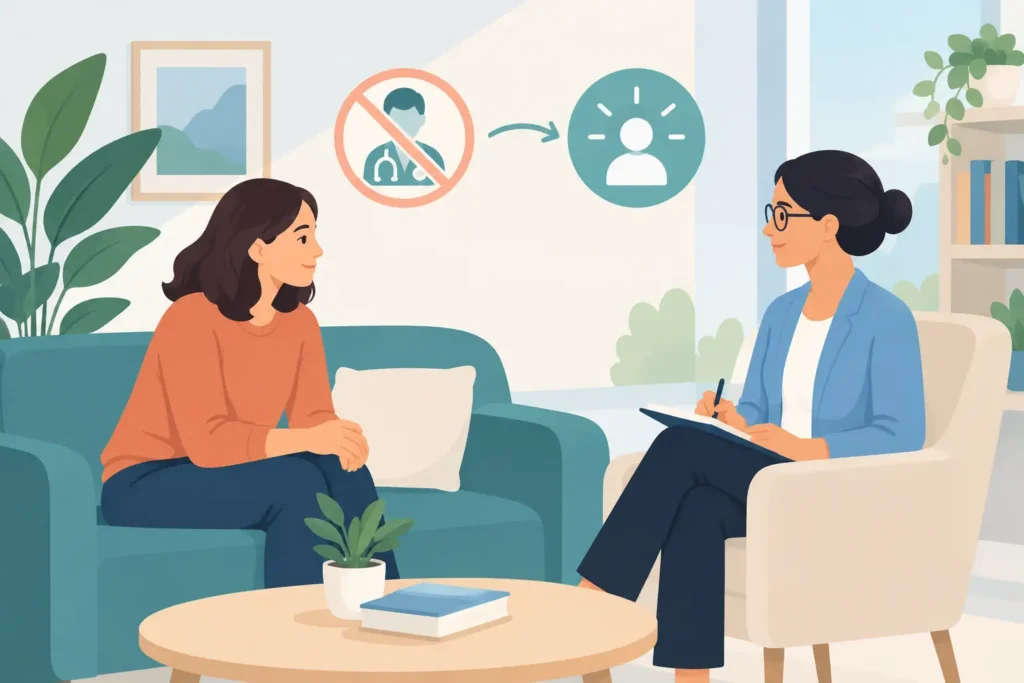
Stress often feels heavier in isolation. Reaching out to someone you trust can bring perspective, comfort, and practical help. Sometimes that is a friend or family member. Sometimes it is a therapist who can help you understand your patterns, strengthen coping skills, and create a plan that fits your life.
Professional support can be especially helpful when stress has started affecting sleep, concentration, relationships, motivation, or your sense of emotional balance. You do not have to have all the right words before you begin. Many people simply know they have been carrying too much for too long and want a clear, compassionate starting point.
That is why approachable care matters. At Ready 2 Heal, the focus is on person-centered support that helps people feel seen, respected, and guided toward the right next step, whether they are exploring care for the first time or returning to it with new needs.
Building a personal stress management plan
A useful plan does not need to be complicated. It just needs to reflect your real life. Choose one practice that helps your body, one that helps your mind, and one that helps reduce outside pressure.
For example, your body practice might be a ten-minute walk after lunch. Your mental reset might be turning racing thoughts into a short written list at the end of the day. Your pressure-reducing step might be saying no to one extra obligation this week. These are not dramatic changes, but they are meaningful because they are specific and repeatable.
It also helps to notice what gets in the way. If you tend to wait until stress feels intense before responding, build support earlier in the day. If evenings are hardest, create more structure there. If your routine changes often, keep your tools flexible rather than rigid. Stress management works best when it bends with your life instead of asking your life to bend around it.
A gentler way to move forward
You do not need a perfect routine to care for your well-being. You need a few reliable ways to come back to yourself when life feels full. Start small, stay consistent, and let support be part of the plan. Relief often begins with one calm choice, repeated with compassion.