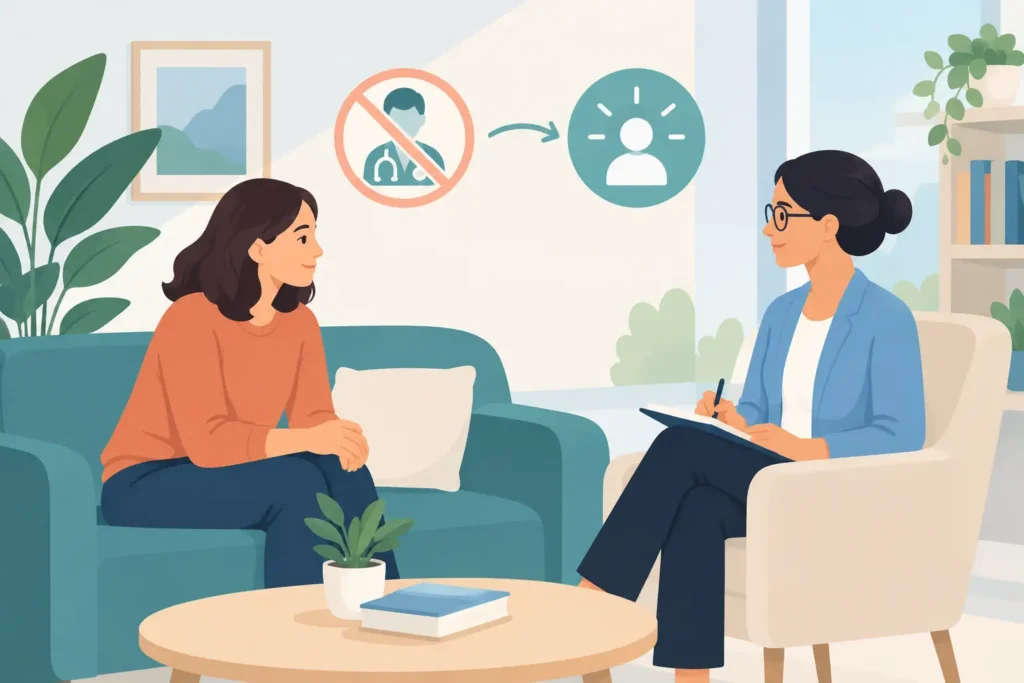

Some people know exactly what kind of care they want. Many others simply know they want to feel more steady, more supported, or more like themselves again. That is where mental health support examples can be especially helpful. They turn a broad idea like “getting help” into something more understandable, approachable, and easier to begin.
Support does not look the same for everyone. One person may feel better with weekly therapy and a structured plan. Another may benefit most from stress management tools, a support group, and flexible virtual sessions that fit around work or family life. The best care is person-centered. It meets you where you are and helps you move forward with dignity, clarity, and real support.
Why mental health support can take different forms
Mental health care is not one single service. It is a range of supports designed to strengthen emotional wellness, improve daily functioning, and help people feel connected to the right level of care. That matters because people come to care with different needs, comfort levels, and schedules.
For someone seeking help for the first time, a simple intake conversation may be the most valuable starting point. For someone managing ongoing stress, anxiety, or another mental health condition, regular therapy may be the best fit. For families, support may involve learning how to communicate more effectively and build healthier routines at home.
This is why flexible access matters. When care is available without unnecessary barriers, people can focus less on figuring out the system and more on receiving support.
12 mental health support examples
1. Individual therapy
Individual therapy is one of the most recognized forms of support, and for good reason. It gives you a private, confidential space to talk through emotions, patterns, life stressors, and goals with a licensed professional. Sessions can help with coping skills, emotional insight, relationship challenges, and long-term wellness.
Therapy is not only for moments of crisis. Many people use it to build resilience, improve self-awareness, and create healthier ways to respond to everyday pressure.
2. Virtual therapy
For many adults and families, convenience is a meaningful part of access. Virtual therapy allows people to connect with a provider from home, during a break in the workday, or from another private setting that feels comfortable. This option can make support feel more manageable, especially for those balancing childcare, transportation needs, or full schedules.
Virtual care is also a reminder that meaningful connection does not have to happen in only one format. For some people, meeting remotely makes it easier to start.
3. In-person counseling
While virtual care offers flexibility, in-person counseling can feel grounding for people who prefer face-to-face connection. A physical office can create a sense of routine and separation from daily distractions. Some clients simply feel more present and supported when they are sitting in the same room as their provider.
There is no universal best option here. It depends on comfort, schedule, and what helps you feel most engaged.
4. Guided intake and care navigation
One of the most practical mental health support examples is guided intake. This is the first step that helps a person describe what they are experiencing and get matched with the most appropriate service path. It can be especially helpful for people who are unsure whether they need therapy, stress support, or another kind of behavioral health service.
A thoughtful intake process reduces guesswork. It helps care feel more welcoming, more organized, and more personal from the beginning.
5. Support groups
Support groups bring people together around shared experiences, challenges, or goals. Some groups focus on emotional wellness, while others center on stress, family dynamics, or life transitions. The value of a group is often the sense of connection it creates. Hearing that others understand what you are going through can feel reassuring and grounding.
Groups are not the right fit for everyone, especially at every stage. Some people prefer one-on-one care first. Others thrive in a community setting. Both are valid.
6. Stress management support
Not everyone seeking care would describe their experience as a mental health condition. Many people are simply carrying too much stress for too long. Stress management support can include learning calming techniques, identifying triggers, building healthier routines, and practicing ways to respond with more balance.
This kind of support is valuable because stress can affect sleep, focus, energy, patience, and relationships. Addressing it early can improve overall wellness in a very practical way.
7. Family support services
Mental health often affects more than one person in a household. Family support services can help improve communication, strengthen understanding, and create more supportive patterns at home. In some cases, family members want guidance on how to encourage a loved one. In others, the whole family benefits from learning new tools together.
This approach can be especially helpful when everyone wants to move forward with more patience, clarity, and teamwork.
8. Psychoeducation
Psychoeducation means learning more about emotions, behaviors, stress responses, and mental health conditions in a clear and supportive way. Sometimes what people need first is language for what they are feeling. Understanding why certain patterns happen can reduce confusion and make the next steps feel less overwhelming.
Education alone is not always enough, but it often makes support easier to use. When people understand their experiences better, they are more prepared to take part in care.
9. Coping skills coaching
Coping skills coaching focuses on strategies that can be used in daily life. This may include breathing exercises, grounding techniques, journaling, communication tools, time management support, or ways to create healthier boundaries. These skills are often part of therapy, but they can also be emphasized as a practical area of support.
The goal is not perfection. It is having reliable tools you can return to when life feels heavy or fast-paced.
10. Medication support through coordinated care
For some individuals, medication may be part of a larger mental health treatment plan. In those cases, coordinated care matters. A person may benefit from therapy alongside medication support, with providers working toward shared goals around wellness and functioning.
This is one of the clearest examples of why care should be individualized. Some people do well with therapy alone. Others benefit from a combination approach. The right path depends on personal needs, preferences, and clinical guidance.
11. Community-based behavioral health services
Community-based care helps make support feel more accessible and less intimidating. It emphasizes meeting people with dignity, reducing stigma, and creating pathways to care that feel realistic in everyday life. For many adults and families, this approach matters just as much as the service itself.
In communities such as Chicago and nearby suburbs, having access to behavioral health support that is local, approachable, and flexible can make it easier to begin care and stay engaged with it.
12. Ongoing wellness check-ins
Support is not always about intensive treatment. Sometimes it looks like regular check-ins that help a person stay connected to their goals, monitor progress, and adjust support as life changes. This can be especially helpful for people who have built a strong foundation and want continued encouragement without starting from scratch each time.
Consistency often plays a quiet but important role in emotional wellness. A small amount of support at the right time can make a real difference.
How to choose the right mental health support example for you
The best starting point is not choosing the “perfect” service on your own. It is choosing a next step that feels manageable. If you are unsure what fits, begin with a provider that offers clear, confidential guidance and a straightforward intake process. That first conversation can help narrow your options.
Think about what would make care easiest to continue. If travel is a barrier, virtual sessions may be the better fit. If you want a stronger sense of presence and structure, in-person counseling may feel more supportive. If you value shared understanding, a group setting could add something meaningful.
It also helps to consider what you want support with right now. Are you looking for a space to talk? Tools for stress? Help understanding a loved one? More than one answer can be true, and good care can evolve with you.
What supportive care should feel like
The right support should feel respectful, confidential, and centered on your needs. It should not require you to have every answer before you reach out. Good care creates room for questions, honors your pace, and offers a clear path forward.
That is especially important for first-time therapy seekers. Starting care can feel much easier when the process is simple, communication is HIPAA-compliant, and the provider helps you understand your options without pressure. Ready 2 Heal reflects this kind of approach by making access to support feel more human, welcoming, and practical.
Mental health support does not have to begin with a perfect plan. It can begin with one conversation, one appointment, or one small step toward feeling more supported. Sometimes that is all it takes to help the next step feel possible.