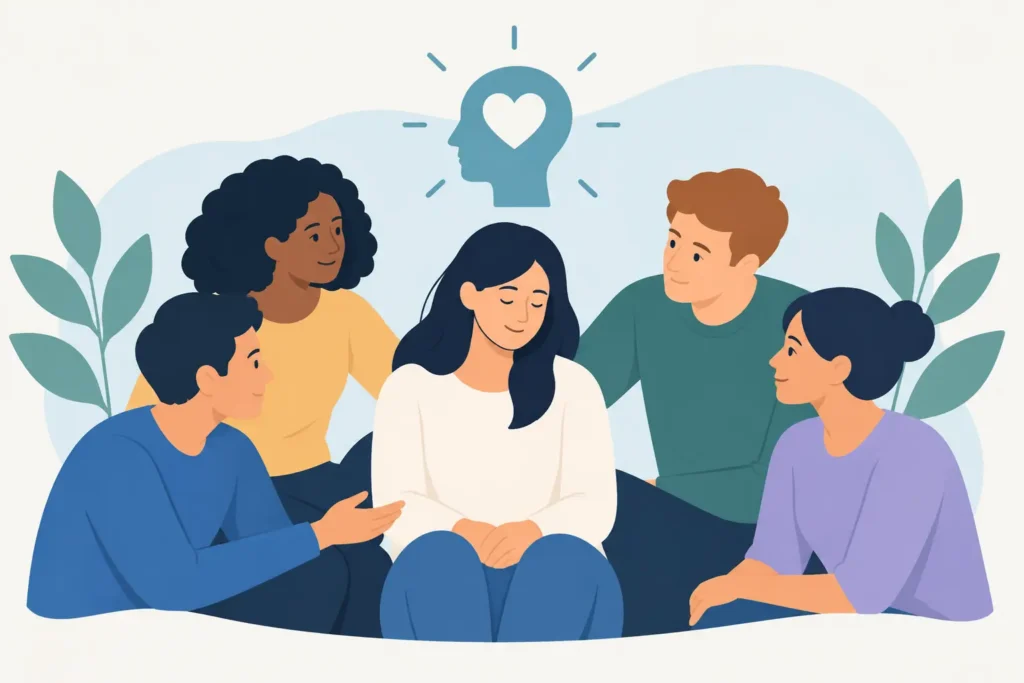
If you have ever wondered where to start when life feels emotionally heavy, the answer is often closer and more welcoming than people expect. What is community behavioral health services? It is a local, accessible approach to mental health care that helps people receive support for emotional wellness, stress, and mental health conditions in a setting designed to feel human, practical, and connected to daily life.
For many individuals and families, the hardest part is not deciding whether support would help. It is figuring out what kind of support makes sense, how to access it, and whether the process will feel respectful and private. Community behavioral health services are built to reduce that uncertainty by offering guided access to care, person-centered support, and a stronger connection between mental health services and the community they serve.
What is community behavioral health services in simple terms?
In simple terms, community behavioral health services are mental health and related wellness services offered in ways that are easier for people to reach and use. Instead of placing care behind unnecessary barriers, this model centers access, dignity, and practical support.
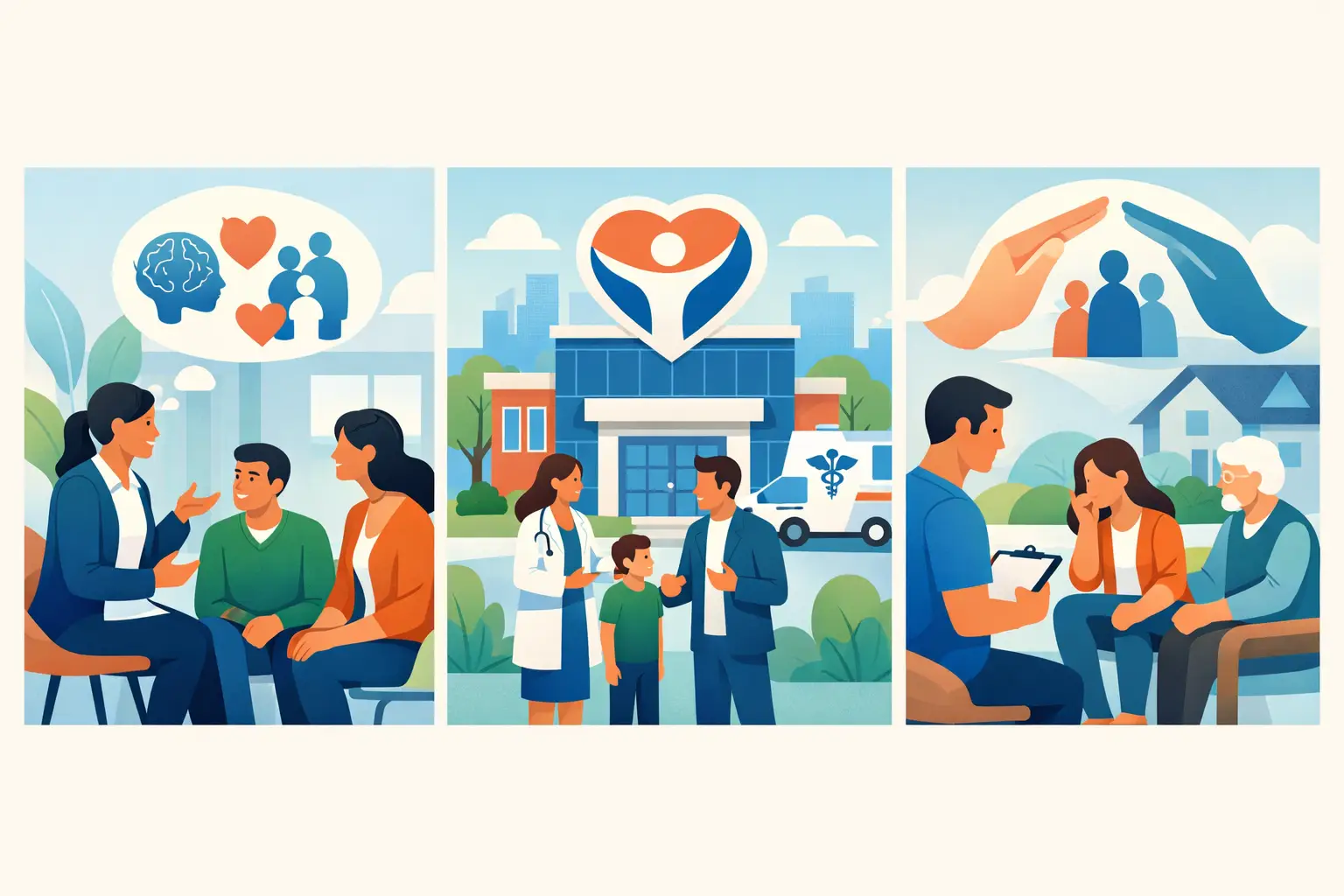
Behavioral health is a broad term. It can include mental health care, emotional wellness support, stress management, counseling, therapy, and services that help people build resilience in everyday life. The word community matters because these services are meant to serve real people where they are, with care that feels approachable rather than distant or institutional.
That can look different depending on the provider. Some organizations focus on therapy and counseling. Others provide intake coordination, care planning, wellness support, or referrals to additional resources when needed. Many now offer both in-person and virtual options, which can make getting started feel much more manageable.
Why community-based care matters
Mental health support tends to work best when people can actually access it, understand it, and trust it. That is where community-based behavioral health services stand out.
A community-focused provider often pays attention to the full experience of care, not just the clinical appointment. That includes how easy it is to ask for help, how quickly someone can speak with a real person, how clearly the intake process is explained, and whether communication feels confidential and respectful. These details matter because they shape whether someone feels comfortable taking the first step and continuing with care.
This model also recognizes that emotional wellness does not exist in isolation. Stress from work, family responsibilities, life transitions, caregiving, grief, and ongoing mental health concerns can all affect how someone feels day to day. Community behavioral health services are designed to meet people within that reality, with support that is grounded in everyday needs rather than abstract systems.
What services are usually included?
The exact services vary by provider, but community behavioral health commonly includes individual therapy, mental health assessments, intake support, stress management services, emotional wellness counseling, and care coordination. Some providers also help clients identify the service path that fits them best, which can be especially helpful for first-time therapy seekers.
This guidance is more important than it may sound. Many people do not begin care with a perfect understanding of what they need. They may know they feel overwhelmed, emotionally stuck, persistently stressed, or ready for support, but not whether that means therapy, a structured wellness plan, or another level of care. A guided intake process helps translate those feelings into a clear next step.
Another key part of community behavioral health services is flexibility. Virtual therapy, in-person appointments, and confidential communication options can make care feel more accessible for adults balancing work, parenting, school, transportation needs, or changing schedules.
Who can benefit from community behavioral health services?
These services are for a wide range of people. Some are actively managing a mental health condition. Others are working through stress, emotional fatigue, relationship strain, or life changes that have started to affect their sense of balance. Families may also seek support when they want a clearer path toward care for a loved one.
One of the strengths of this model is that you do not need to have everything figured out before reaching out. Community behavioral health is often designed for people who want support but are still sorting out what that support should look like. That makes it a strong fit for first-time clients as well as those returning to care after time away.
It can also feel more comfortable for people who value privacy, warmth, and a less intimidating path into mental health services. When care is presented in a respectful and inclusive way, it supports emotional safety from the very beginning.
What makes this different from other mental health care?
Not every behavioral health setting works the same way. Some systems are highly specialized, and that can be useful when a person needs a particular type of treatment. Community behavioral health services are different because they usually focus first on access, guidance, and continuity.
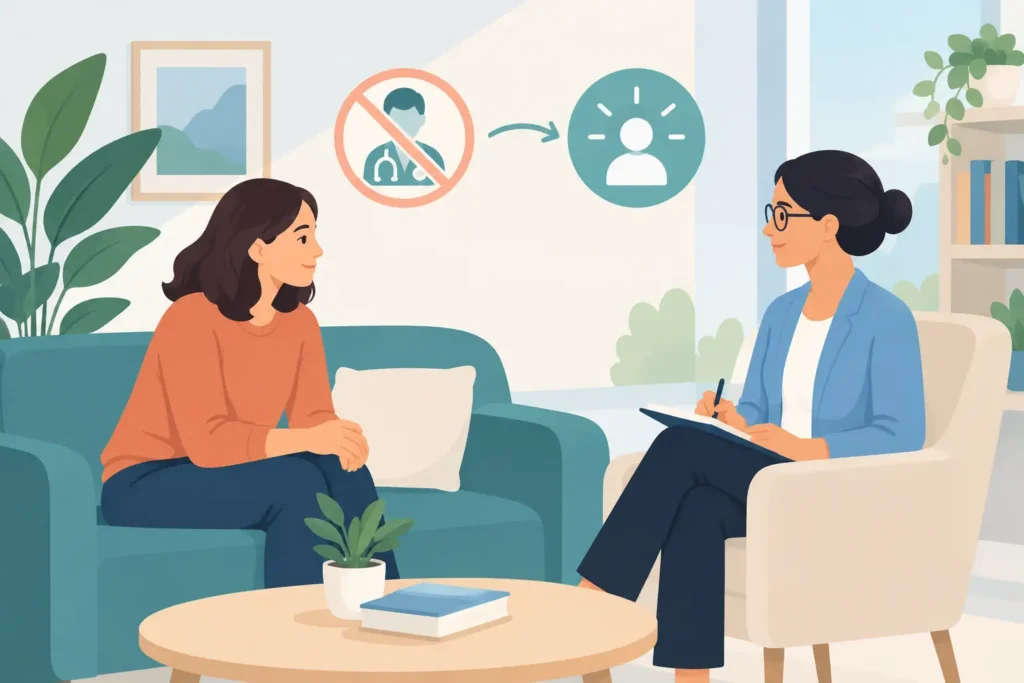
That means the experience may feel simpler and more supportive at the entry point. You may be able to begin without a referral. Intake may happen quickly. Communication may be designed to protect privacy while keeping the process easy to follow. The overall goal is to help people connect to care sooner and with less confusion.
There is also a person-centered difference. Community-based providers often place more emphasis on the individual’s goals, comfort level, and pace. Instead of treating care like a one-size-fits-all process, they focus on what support will be most helpful for that person at that point in time.
That said, the right approach always depends on the individual. Some people benefit from a straightforward counseling relationship. Others may need a broader network of support. A strong community behavioral health provider helps clarify those needs rather than expecting clients to sort through them alone.
How the intake process supports better care
One of the most valuable parts of community behavioral health services is the intake process. People often think of intake as paperwork, but when done well, it is really the starting point of person-centered care.
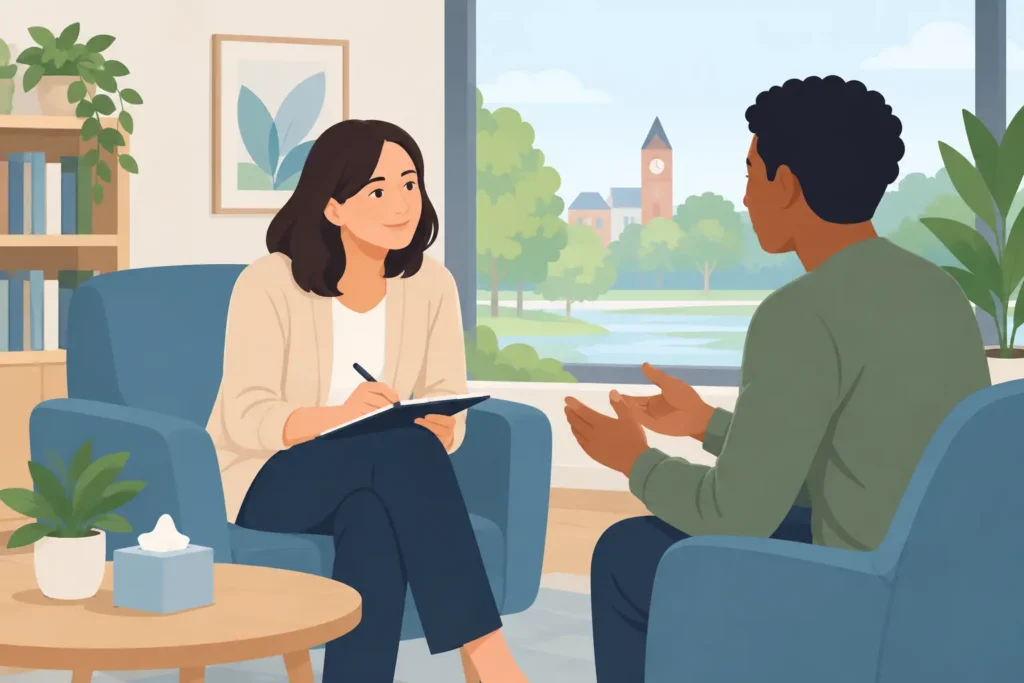
A thoughtful intake gives clients space to share what they are experiencing, ask questions, and understand what options are available. It also helps the provider recommend the next step in a way that feels grounded and clear. This matters because beginning care can feel easier when the process is explained in plain language and handled with compassion.
For providers like Ready 2 Heal, this kind of guided intake is central to making support more accessible. Quick and confidential intake, HIPAA-compliant communication, and clear service pathways help create a smoother experience for people who are ready to begin but want reassurance that the process will respect their time and privacy.
Accessibility is part of quality care
When people hear the word quality, they often think only about credentials or treatment plans. Those are important, but accessibility is also a core part of quality behavioral health care.
If support takes too many steps to reach, people may wait longer than they want to. If communication is unclear, the process can feel harder than it needs to be. If scheduling is rigid, care may not fit into everyday life. Community behavioral health services help address these issues by making support more reachable, flexible, and understandable.
This is especially meaningful in communities where people are looking for care that feels local, inclusive, and responsive. In areas such as Chicago and nearby suburbs, having access to both virtual and in-person support can make a real difference for adults and families who want care to fit their lives, not compete with them.
What to look for in a provider
If you are exploring community behavioral health services, it helps to look for a provider that combines compassion with clear operations. Warmth matters, but so does reliability.
A strong provider will explain how to get started, offer confidential communication, and make it clear what services are available. Person-centered care should feel like more than a phrase. It should show up in how staff listen, how intake is handled, and how the care plan reflects your needs and goals.
It is also helpful to look for flexibility. Virtual and in-person care options, straightforward scheduling, and support without unnecessary gatekeeping can make the process feel much more approachable. For many people, that sense of ease is what turns interest in care into an actual first appointment.
A more welcoming path into support
At its best, community behavioral health services create an easier path into mental wellness care. They help people move from uncertainty to clarity, from questions to a plan, and from hesitation to support that feels respectful and grounded.
If you have been asking what community behavioral health services are, the simplest answer is this: they are a way of bringing mental health care closer to people, with dignity, accessibility, and real human support at the center. Sometimes the most meaningful first step is simply finding care that meets you where you are and helps you move forward with confidence.