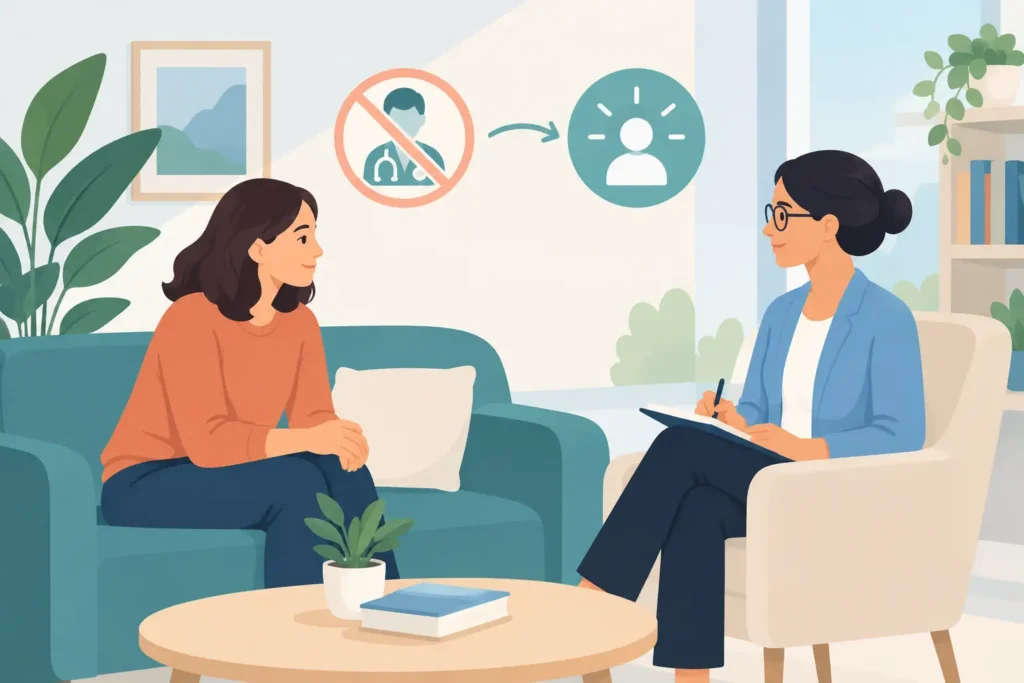

A guide to case management support can make care feel more clear, personal, and connected. When you are building emotional wellness, managing daily responsibilities, or supporting a loved one, having one caring professional help organize the next steps can create meaningful peace of mind.
Case management support brings together the parts of care that support your goals. It can include identifying helpful services, coordinating appointments, connecting with community resources, and creating a plan that reflects your strengths, preferences, and daily life. The focus stays on you as a whole person, with dignity and choice at the center.
What Case Management Support Means
Case management is a person-centered service that helps individuals and families connect with the care, resources, and guidance that support wellness. A case manager partners with you to understand what matters most right now and helps shape a practical path forward.
For some people, that path may include behavioral health services, counseling, medication support, primary care coordination, employment resources, education planning, or family services. For others, it may focus on building routines, strengthening communication, or finding programs that encourage stability and confidence. Each plan can look different because each person brings unique goals, relationships, experiences, and sources of resilience.
A case manager can serve as a steady point of connection. Rather than asking you to keep track of every service on your own, they help bring information together in a respectful, organized way. This support can be especially valuable when several providers, programs, or family members are part of your wellness journey.
Who Can Benefit From Case Management?
Case management support can be helpful for adults, young adults, families, and caregivers who want coordinated guidance. You may be starting behavioral health care for the first time, returning to care with new goals, or looking for support that connects emotional wellness with everyday needs.
It can also be a valuable option for people who already have services in place and would welcome a clearer plan. Therapy, medical care, community programs, and family support can work together more effectively when everyone shares an understanding of your priorities.
For families, case management can create a more comfortable way to explore available options. A case manager can help caregivers understand service choices, prepare for appointments, and identify resources that align with the family’s values and schedule. The process encourages collaboration while honoring each person’s voice.
What a Case Manager Can Help You Do
A case manager’s role is practical, compassionate, and goal-focused. The details depend on your needs and the services available in your community, yet the overall purpose remains the same: helping you move toward greater wellness with support that feels manageable.
A case manager may help you:
- Clarify personal wellness goals and create a plan around them.
- Coordinate behavioral health, medical, educational, or community services.
- Prepare for appointments and gather useful information for providers.
- Identify resources related to food, housing, transportation, benefits, employment, or family support.
- Build skills for organization, communication, and daily routines.
- Celebrate progress and revisit goals as your needs and priorities evolve.
This support is collaborative rather than one-size-fits-all. Some people appreciate regular check-ins and hands-on coordination. Others may want help around a specific goal, such as connecting with a therapist or preparing for a transition. The right level of support depends on your preferences, the complexity of your care, and what feels most useful for you.
How the Case Management Process Works
The first conversation usually centers on getting to know you. You can share what you hope to improve, what support you already have, and what would make daily life feel more supported. You never need to arrive with every answer prepared. Guided intake is designed to help you identify a comfortable starting point.
Step 1: Share Your Goals
Your goals guide the process. You may want to feel more connected to care, strengthen stress-management habits, support a family member, or learn about local programs. A case manager listens with care and asks thoughtful questions to understand the full picture.
This conversation can also include your practical preferences. Virtual appointments, in-person meetings, language needs, family involvement, scheduling availability, and communication preferences all matter. When support fits your life, it is easier to stay engaged with your plan.
Step 2: Create a Personalized Plan
Together, you and your case manager can outline clear next steps. A plan may include a few immediate actions and longer-term goals. Keeping the plan simple and realistic can make it easier to recognize progress along the way.
For example, a plan might begin with scheduling a behavioral health assessment, exploring a community wellness group, and choosing a weekly time to review upcoming appointments. Another person may focus on coordinating care among several providers. The details reflect your priorities, and the plan can change as your life changes.
Step 3: Connect and Follow Through
Your case manager helps turn the plan into action. That may involve sharing information about services, helping coordinate communication, preparing you for an appointment, or checking in after a referral. Follow-up offers an opportunity to discuss what feels helpful and decide what comes next.
Progress often grows through small, steady steps. Each completed call, attended appointment, and newly learned skill can strengthen your sense of direction. Case management recognizes those steps as meaningful parts of wellness.
Privacy, Choice, and Respect in Your Care
Personal information deserves thoughtful protection. Behavioral health providers use privacy practices designed to safeguard your health information, including HIPAA-compliant communication when applicable. During intake, you can ask how information is handled, who may participate in care coordination, and what choices are available to you.
Your voice remains essential throughout the process. You can share what feels comfortable, ask questions, and take part in decisions about your care. When family members or other supporters are involved, a clear conversation about roles and communication can help everyone stay focused on your goals and well-being.
Respect also means recognizing culture, identity, faith, language, and lived experience as meaningful parts of care. Strong case management makes room for the values that shape your definition of wellness.
Choosing Support That Feels Right
When exploring case management services, look for a provider that uses clear communication and treats your goals as the foundation of care. It can help to ask how intake works, what kinds of coordination are available, how often you can connect with a case manager, and how privacy is supported.
Consider the access options that work best for your household. Virtual care can offer flexibility and convenience, while in-person care can provide a familiar local connection. Many people value having both options available as their schedules and needs evolve.
Ready 2 Heal approaches behavioral health with compassion, accessibility, and respect for the whole person. For community members in the Chicago area, including Des Plaines, Rosemont, Elmwood Park, Harwood Heights, and Norridge, guided intake can offer a welcoming first step toward the service path that fits best.
A Supportive Next Step
Case management support is about more than coordinating services. It is about creating space for your goals, your voice, and your continued growth. A caring conversation can be the beginning of a plan that feels organized, encouraging, and truly your own.