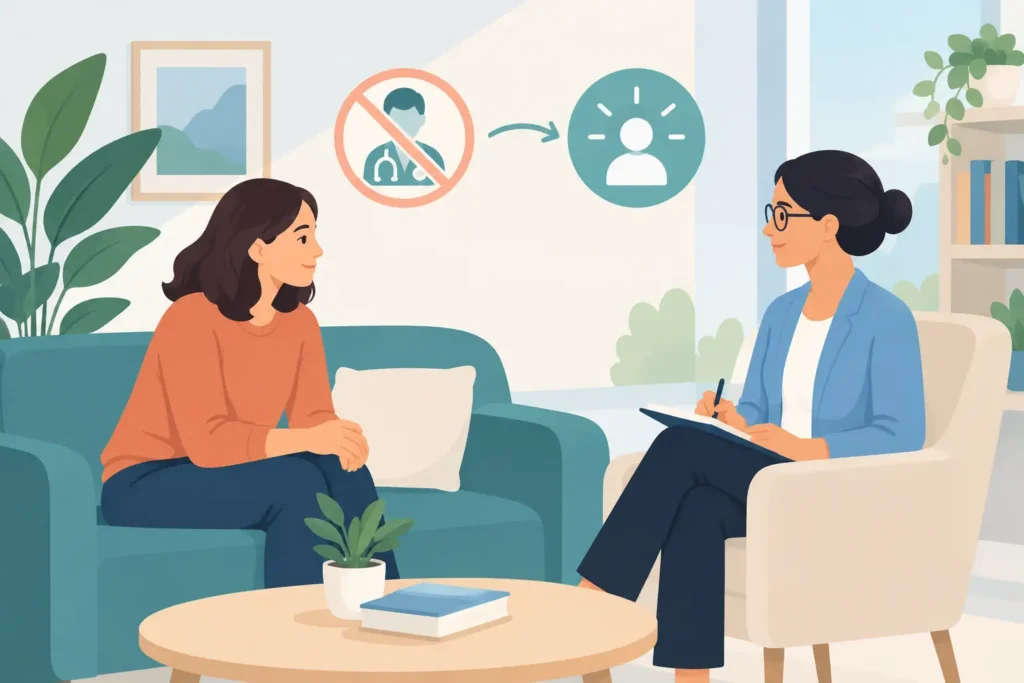

A guide to person centered counseling begins with a simple truth: you are the expert on your life. Counseling can offer a welcoming space to share what is on your mind, build on your strengths, and move toward goals that feel meaningful to you. The counselor brings professional training, thoughtful questions, and consistent support. You bring your experiences, values, hopes, and voice.
For many people and families, this approach makes mental health care feel more approachable. It creates room for honest conversation while honoring dignity, culture, identity, relationships, and personal choices. Whether you are seeking support for emotional wellness, life transitions, stress management, or an ongoing mental health condition, person-centered counseling keeps your needs at the heart of care.
What Is Person Centered Counseling?
Person centered counseling is a therapeutic approach built around respect, empathy, and partnership. It recognizes that people have the capacity for growth, resilience, and self-understanding when they receive caring support in a confidential setting.
This approach is closely connected to the work of psychologist Carl Rogers, who emphasized three qualities within the counseling relationship: genuine presence, empathic understanding, and unconditional positive regard. In everyday terms, that means your counselor listens closely, seeks to understand your perspective, and meets you with consistent respect.
The goal is not to hand you a one-size-fits-all plan. The goal is to create a meaningful path that fits your life. Some sessions may focus on sorting through emotions. Others may center on strengthening communication, exploring patterns, practicing coping skills, or identifying next steps that support your wellness.
How Person Centered Counseling Supports Wellness
A person-centered approach can feel especially helpful when you want care that reflects your whole experience. Your goals may involve feeling more grounded at work, supporting family relationships, creating healthier routines, or making space for your own needs. Each goal deserves thoughtful attention.
Counseling also gives you a dedicated time to pause and reflect. Daily responsibilities often move quickly, and many people spend so much energy caring for others that their own emotional wellness receives less space. A supportive counseling relationship can help you reconnect with your values and recognize the strengths you already use every day.
Progress looks different for each person. For one client, progress may mean speaking more openly about emotions. For another, it may mean feeling more confident in a decision, using calming strategies during a busy week, or building a stronger sense of connection. Person-centered counseling welcomes these individual definitions of growth.
Your Voice Shapes the Direction
You and your counselor work together to identify what feels most relevant. You can share what you would like support with, what approaches feel comfortable, and what you hope to gain from counseling. Your feedback helps shape the experience from session to session.
This collaboration supports a sense of ownership. When goals connect with your values and daily life, they often feel more practical and sustainable. Your counselor may offer reflections, education, coping tools, and new perspectives while keeping your priorities in view.
Strengths Are Part of the Conversation
Person-centered care recognizes more than the concerns that brought you to therapy. It also recognizes your resilience, relationships, cultural knowledge, personal values, and past successes. These strengths can become valuable resources as you work toward greater wellness.
A counselor may invite you to consider times when you felt capable, supported, or at peace. These conversations can highlight patterns that help you understand what nourishes your well-being. Small insights can lead to meaningful changes over time.
What to Expect During Your First Sessions
Beginning counseling is a meaningful step, and a clear process can help you feel prepared. Your first conversation often includes a guided intake. This is a chance to share what brings you in, ask questions, discuss your preferences, and learn about services that fit your needs.
Your counselor may ask about your current goals, family or community supports, health history, daily routines, and experiences that have shaped you. You can answer at a pace that feels right for you. The purpose is to build a fuller picture of your life so your care can be personalized.
Together, you may develop goals for counseling. These goals can be broad, such as supporting emotional balance, or more specific, such as preparing for a transition, strengthening self-care, or improving communication. Goals can evolve as your needs and insights grow.
Confidentiality is also an essential part of the process. Behavioral health providers use privacy practices designed to protect your personal health information, including HIPAA-compliant communication. Feeling secure in the counseling space can support open, meaningful conversation.
Person Centered Counseling in Virtual and In-Person Care
Person-centered support can work well in either virtual or in-person sessions. The best option depends on your routines, comfort, transportation needs, privacy preferences, and access to a suitable setting.
Virtual therapy can bring counseling into a familiar environment and make it easier to fit appointments into a full schedule. It may be a strong choice for people who value convenience and flexibility. A private, comfortable space and a reliable internet connection can help you get the most from virtual sessions.
In-person counseling can offer a dedicated setting away from daily responsibilities. Some people appreciate having a separate place for reflection and conversation. The welcoming presence of a counselor in the room may also feel especially supportive.
Both options can provide compassionate, high-quality care. A guided intake can help you explore which format fits your current needs, and your preference can change as life changes.
How to Find a Counselor Who Feels Like a Good Fit
A positive counseling relationship is built through trust, respect, and communication. As you consider a provider, look for someone who describes care in clear, affirming language and welcomes your questions. It is helpful to ask about their experience, approach, scheduling options, communication practices, and the types of support they provide.
You may also consider practical details such as appointment availability, virtual care options, location, payment information, and how quickly you can begin. Accessible care supports consistency, which can be valuable when counseling becomes part of your wellness routine.
For Chicago-area community members, including those in Des Plaines, Rosemont, Elmwood Park, Harwood Heights, and Norridge, Ready 2 Heal offers a supportive entry point through confidential intake and flexible in-person or virtual therapy options. The focus remains on connecting each person with care that honors their goals and circumstances.
Questions You Can Bring to Intake
You might ask what a typical session feels like, how goals are created, how progress is reviewed, and whether your counselor incorporates practical coping strategies. You can also share communication preferences, cultural considerations, accessibility needs, and what helps you feel comfortable in a professional relationship.
These questions help create a care experience that feels collaborative from the start. Counseling works best when you feel heard, respected, and able to participate fully in your own wellness journey.
A Guide to Person Centered Counseling for Families
Person-centered principles can also support families. Every family has its own traditions, communication style, strengths, and hopes. Family-focused counseling creates space for each member to be heard while identifying shared goals that promote connection and well-being.
Depending on the family’s needs, sessions may explore communication, parenting support, life changes, emotional wellness, or ways to strengthen relationships. The counselor helps guide the conversation with care and balance, while family members contribute their own perspectives and priorities.
For parents and caregivers, person-centered support can be a reminder that seeking guidance is a powerful act of care. When adults receive support for their own wellness, they strengthen the foundation they create for children, loved ones, and their wider community.
Choosing counseling is an investment in your voice, your resilience, and your future. A compassionate first conversation can help turn uncertainty into a clear next step, with support shaped around the person you are and the life you want to build.