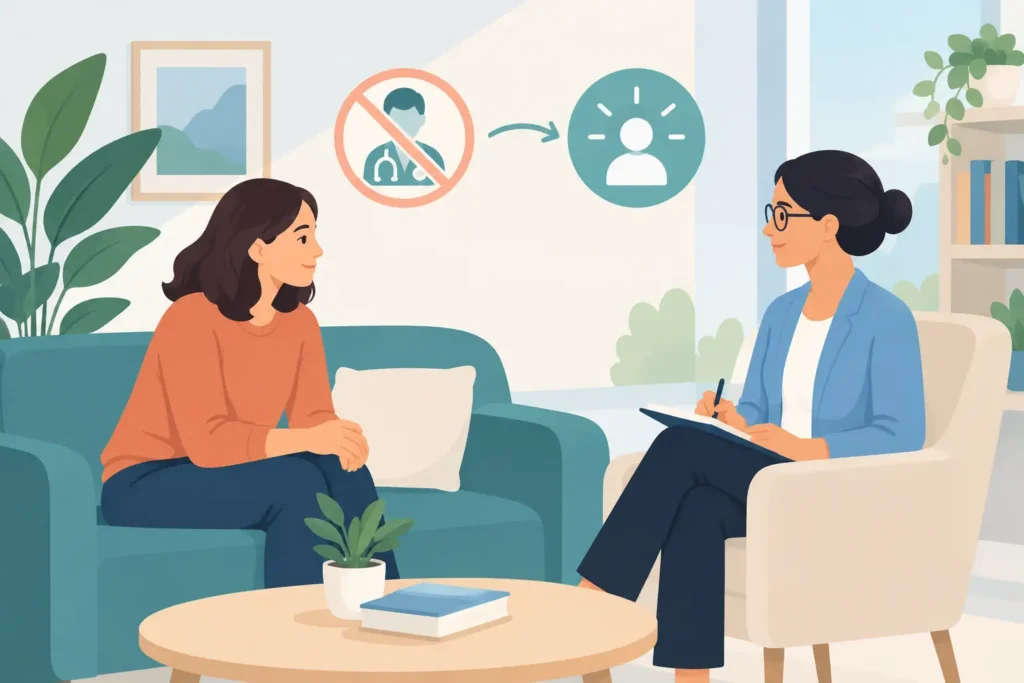

When someone decides to reach out for mental health support, timing matters. A long wait, confusing paperwork, or uncertainty about where to start can shape whether that first step feels manageable. That is why behavioral health access trends matter so much right now. They show how care is becoming more flexible, more person-centered, and more responsive to what people actually need when they are ready for support.
For individuals and families, access is not just about whether a service exists. It is about how easy it is to begin, how safe the process feels, and whether care can fit into real life. The most meaningful shifts in behavioral health are moving in that direction. The systems that work best are the ones that reduce friction, respect dignity, and make it easier to connect with the right kind of care at the right time.
Behavioral health access trends are becoming more human-centered
One of the clearest changes in recent years is that access is being defined more broadly. It used to be measured mostly by provider numbers, insurance networks, or clinic locations. Those still matter, but they do not tell the whole story. Today, access also includes scheduling flexibility, guided intake, privacy, cultural responsiveness, and the ability to choose virtual or in-person care.
That shift matters because people do not experience barriers in one category at a time. A person might have coverage but need evening appointments. Another might live near a provider but feel unsure which service is the right fit. A family might want support quickly and appreciate a simple intake process that feels clear and confidential. The trend is toward seeing the full person, not just the appointment slot.
For community-based providers, this has changed how services are designed. Instead of expecting people to understand a complex care system on their own, more organizations are offering support at the front door of care. Guided intake, responsive communication, and clear next steps are becoming essential parts of access, not extras.
Virtual care is now part of the standard path to support
Telehealth has become one of the most visible behavioral health access trends, and its impact is still growing. For many people, virtual therapy has made support more realistic to begin and easier to continue. It can reduce travel time, simplify scheduling, and create more options for those balancing work, caregiving, school, or transportation needs.
Just as important, virtual care can feel more approachable for first-time clients. Meeting with a provider from home may create a stronger sense of comfort and privacy. For some, that setting makes it easier to open up and stay engaged in care.
At the same time, virtual care is not one-size-fits-all. Some people prefer the structure and connection of in-person sessions. Others benefit from a hybrid approach that combines the convenience of online care with face-to-face support when needed. The broader trend is not that virtual replaces in-person care. It is that people increasingly expect both options so they can choose what fits their lives and wellness goals.
For communities in and around Chicago, including Des Plaines, Rosemont, Elmwood Park, Harwood Heights, and Norridge, that flexibility can make a real difference. Local access still matters, and so does the ability to connect from wherever life is happening that day.
Faster intake is becoming a form of care itself
Another important change is the growing recognition that intake is not just administrative. It sets the tone for the entire experience. When intake is quick, respectful, and easy to understand, people are more likely to feel supported from the beginning.
This is especially important in behavioral health, where many people start the process with understandable uncertainty. They may know they want support but not know whether they need therapy, stress management guidance, or another service path. A thoughtful intake process can help them feel seen and oriented without adding pressure.
Providers that prioritize quick and confidential intake are responding to a real need. People often want to connect while motivation is present. A system that responds promptly helps preserve that momentum. It also communicates something deeper: your time matters, your privacy matters, and your wellness deserves timely attention.
Convenience is shaping expectations around care
People increasingly expect behavioral health services to work more like other trusted services in their lives: clear information, timely responses, simple scheduling, and flexible communication. This is not about making care feel transactional. It is about making support feel reachable.
That expectation is changing provider operations in meaningful ways. Evening availability, easier appointment requests, HIPAA-compliant communication, and straightforward service descriptions are all part of modern access. When these pieces are in place, people spend less energy navigating logistics and more energy focusing on their care.
Convenience also supports continuity. If attending therapy requires repeated disruptions to work or family routines, even highly motivated clients may struggle to stay consistent. When care fits more naturally into daily life, ongoing support becomes more sustainable.
There is a balance here, of course. Convenience should not come at the expense of quality, thoughtful matching, or personal connection. The strongest access models do both. They make entry easier while preserving the trust and structure that meaningful behavioral health care requires.
Stigma reduction is changing how people enter care
Some of the most important behavioral health access trends are cultural, not just operational. More people are seeking support because conversations around emotional wellness, stress management, and mental health have become more open and affirming. That growing openness helps people see care as a proactive step in wellness rather than something reserved for moments of crisis.
Language plays a big role in this shift. When providers communicate with warmth, clarity, and respect, they help make care feel more approachable. Terms like support, wellness, resilience, and person-centered care can create a more welcoming entry point, especially for those who are new to behavioral health services.
This does not mean clinical expertise matters less. It means expertise is being delivered in a way that feels more human. For many individuals and families, that combination of professionalism and compassion is what makes the first appointment feel possible.
Access now includes help finding the right fit
Another growing trend is the move away from expecting people to sort themselves into the correct service category before they make contact. Many people simply know that something feels off or that they would benefit from support. They may not know what type of provider, session style, or level of care will serve them best.
That is why service navigation is becoming more valuable. A guided first conversation can help identify needs, preferences, and practical considerations such as schedule, comfort with virtual care, or goals around stress management and emotional wellness. This kind of support reduces uncertainty and helps people begin with more confidence.
It also reflects a more compassionate understanding of the client experience. Access is not only the ability to book. It is the ability to book the right next step.
What these trends mean for people seeking care
For anyone looking for support, these trends point toward a simpler and more affirming experience. You are more likely than before to find options that respect your schedule, your privacy, and your preferences. You may also find that the best providers offer a clear path from first contact to first appointment, without unnecessary gatekeeping.
That said, it still helps to look for signs that a provider is truly access-focused. Clear communication, prompt follow-up, flexible care formats, and a person-centered intake process all suggest that the organization understands what people need at the beginning of care. These are practical details, but they also reflect values.
Ready 2 Heal is one example of how this shift can look in practice, with an approach built around guided intake, confidential communication, and both virtual and in-person support. That kind of model reflects where behavioral health access is heading: toward care that feels easier to start, easier to understand, and more grounded in dignity.
The future of behavioral health access is not just about offering more appointments. It is about creating a welcoming path into care, one that meets people with warmth, clarity, and respect from the very first step. If you have been thinking about support, that shift is good news. The path to care is becoming more open, and that can make all the difference when you are ready to begin.