Some days ask more of you than you expected. A hard conversation, a change in routine, family stress, work pressure, or simply the weight of doing too much for too long can leave you feeling stretched thin. If you are wondering how to build emotional resilience, the good news is that resilience is not something people are just born with. It is a set of skills, supports, and habits that can grow over time.
Emotional resilience does not mean forcing yourself to stay upbeat all the time. It means being able to move through stress with steadiness, recover with care, and stay connected to yourself when life feels demanding. For many people, resilience starts with one important shift – treating emotional wellness as something worthy of attention, not something to put off until you have extra time.
What emotional resilience really looks like
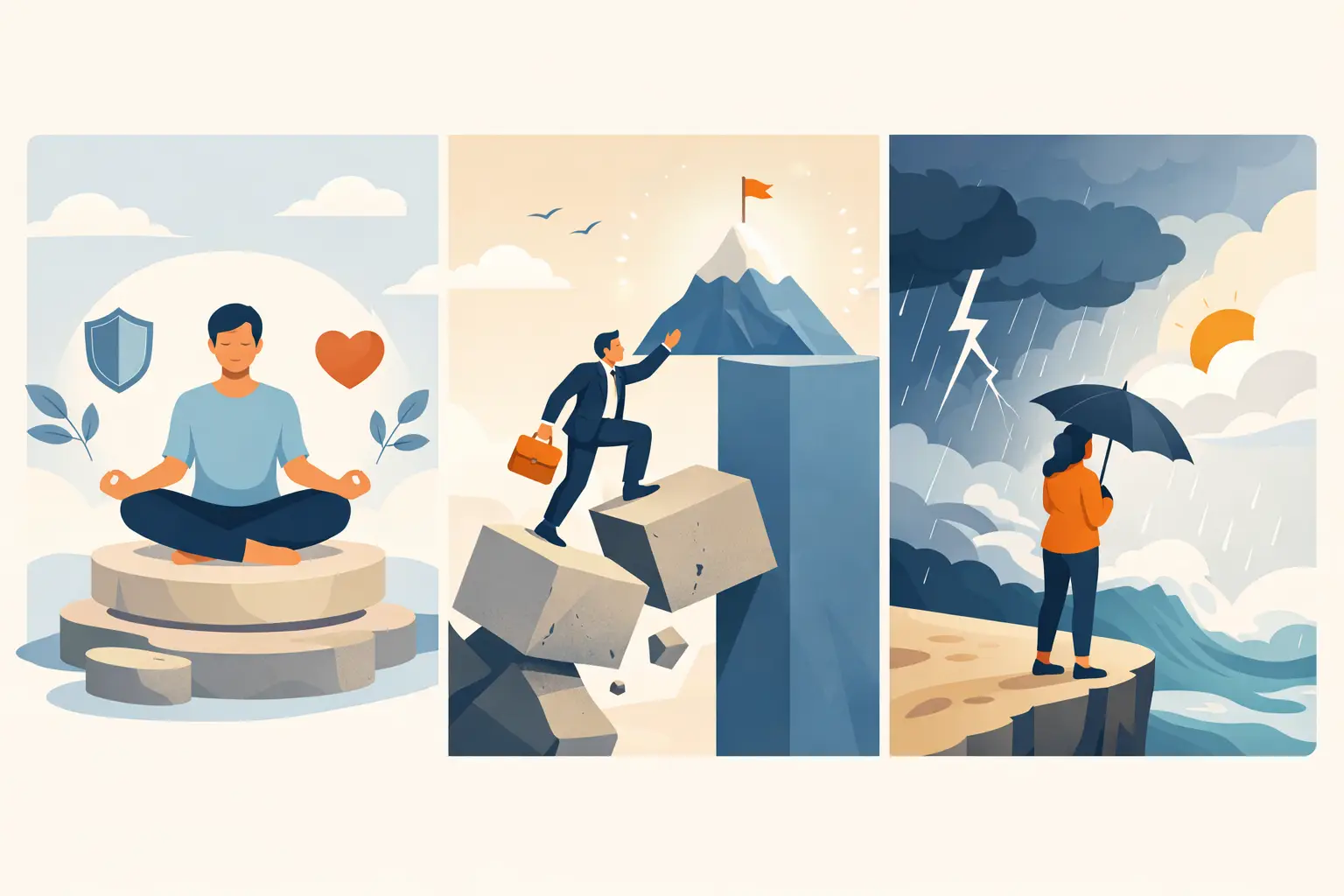
Resilience is often misunderstood as toughness. In reality, it is more flexible than that. A resilient person can feel deeply, ask for support, adjust to change, and still keep moving forward. There is strength in that kind of responsiveness.
You might notice emotional resilience in small moments. Maybe you pause before reacting, name what you are feeling, or choose rest instead of pushing past your limits. Maybe you recover more quickly from stress than you used to. These are meaningful signs of growth.
Resilience also looks different from person to person. For one person, it may mean setting better boundaries. For another, it may mean building trust with a therapist, improving sleep, or learning how to stay grounded during conflict. The goal is not to become unaffected by stress. The goal is to respond to it in a way that supports your well-being.
How to build emotional resilience in daily life
The most lasting changes usually come from small, repeatable actions. Big breakthroughs can be powerful, but emotional resilience is often built in ordinary moments.
Start by noticing your patterns
Many people move through stress on autopilot. You may not always realize what drains you, what helps you recover, or what situations leave you feeling overwhelmed. Paying attention is a gentle first step.
Try checking in with yourself at different points in the day. Ask simple questions like: What am I feeling right now? What does my body need? What helped me feel more steady this week? This kind of awareness helps you respond with intention instead of reacting from exhaustion.
If journaling feels helpful, keep it simple. A few lines about your mood, energy, and stress level can reveal patterns over time. You may start to notice that certain routines, relationships, or expectations affect your emotional balance more than you thought.
Strengthen your recovery habits
Resilience is not only about handling stress well. It is also about recovering well. That means making space for the practices that help your mind and body return to a calmer state.
For some people, recovery looks like sleep, hydration, movement, and regular meals. For others, it includes quiet time, prayer, breathing exercises, time outdoors, or talking with someone they trust. There is no single formula, and that matters. The best recovery habits are the ones you can return to consistently.
This is where compassion matters. If your schedule is full, you may need to think in smaller steps. Five minutes of stillness, a short walk, or a screen-free break can help support your nervous system. A little consistency often does more than occasional all-or-nothing effort.
Build emotional language
When emotions stay vague, stress can feel bigger than it is. Learning to name your experience more clearly can make it easier to care for yourself. Instead of saying, I am stressed, you might realize you are disappointed, overstimulated, worried, or mentally tired. That clarity can guide your next step.
This is one of the most practical ways to build emotional resilience. The more accurately you can identify what is happening inside, the easier it becomes to choose a helpful response. If you are feeling overstimulated, you may need quiet. If you are feeling disconnected, you may need support. If you are feeling uncertain, you may need information and reassurance.
Emotional language also helps in relationships. It allows you to communicate your needs with more confidence and less friction.
Support matters more than self-reliance
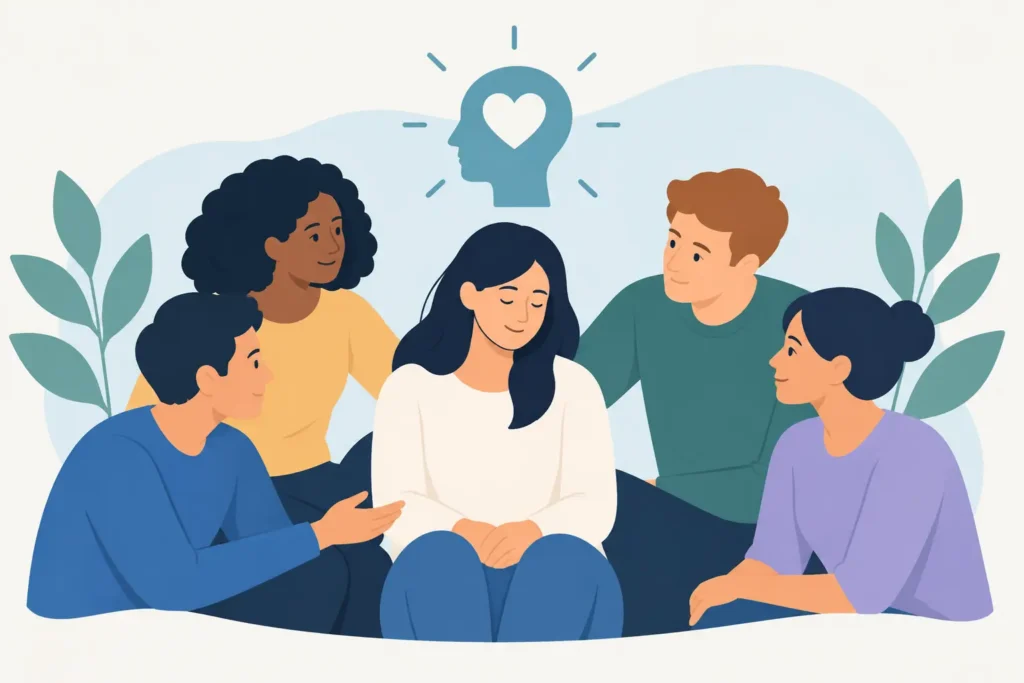
Many adults have learned to carry everything on their own. While independence can be useful, emotional resilience grows stronger when support is part of the picture. Connection helps regulate stress, offer perspective, and remind you that you do not have to figure everything out alone.
Support can come from different places. It may be a trusted friend, a family member, a faith community, a support group, or a mental health professional. What matters most is that the support feels safe, respectful, and consistent.
There is also an important trade-off here. Not every source of support is equally helpful for every situation. A friend may be a great listener, while a therapist can offer structure, tools, and a private space to process more complex emotions. Knowing what kind of support you need is part of resilience too.
For people who have been thinking about care but are unsure where to begin, a guided intake process can make the first step feel more manageable. Ready 2 Heal centers this kind of welcoming support so people can connect with care in a way that feels clear, confidential, and person-centered.
Boundaries are part of emotional wellness
Resilience is easier to build when your energy is not being pulled in every direction. Boundaries help protect your time, attention, and emotional capacity.
This does not have to look harsh or distant. Healthy boundaries can sound like, I am not available tonight, I need time to think before I answer, or I can help with this part but not all of it. They create space for honesty and balance.
If setting boundaries feels unfamiliar, start small. Choose one area where you often feel depleted and practice a more supportive response. Over time, boundaries become less about saying no to others and more about saying yes to your well-being.
Expect growth to be uneven
One of the kindest things you can remember is that resilience is not linear. Some weeks you may feel grounded and capable. Other weeks may feel more tender. That does not erase your progress.
Stress levels change. Life circumstances change. Your capacity can change from season to season. Emotional resilience includes making room for that reality without judging yourself for it.
It can help to measure progress differently. Instead of asking, Why am I still affected by this, ask, How am I responding now compared to before? You may find that you are recovering faster, reaching out sooner, or speaking to yourself with more care. Those shifts matter.
When professional support can help
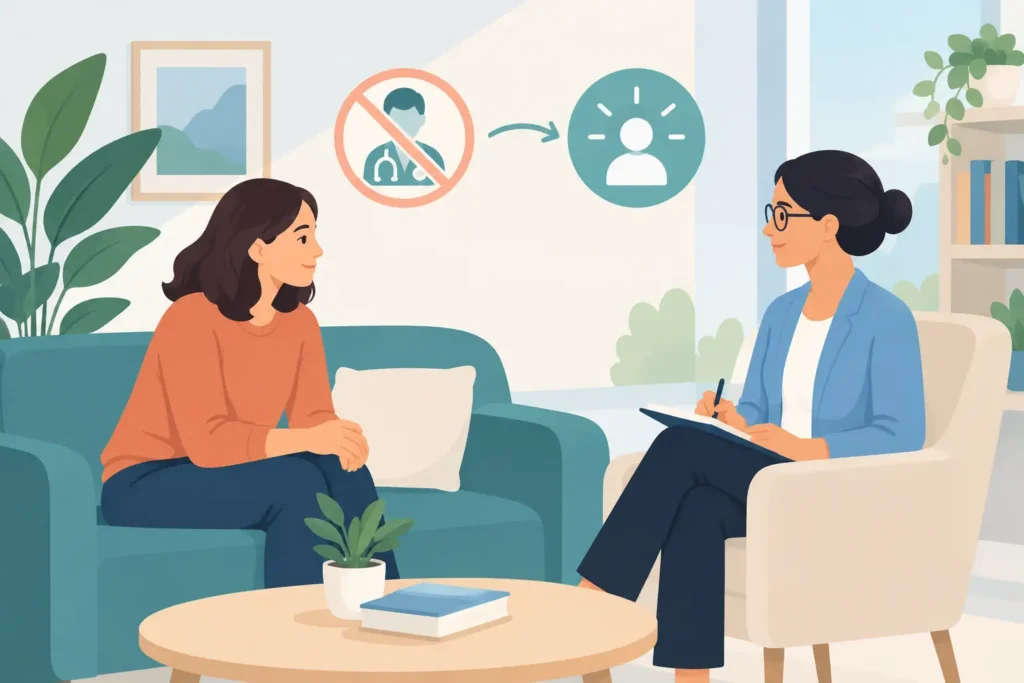
There are times when building resilience on your own feels limited, and that is completely human. Professional support can offer practical tools, emotional insight, and a steady space to work through patterns that keep stress feeling close to the surface.
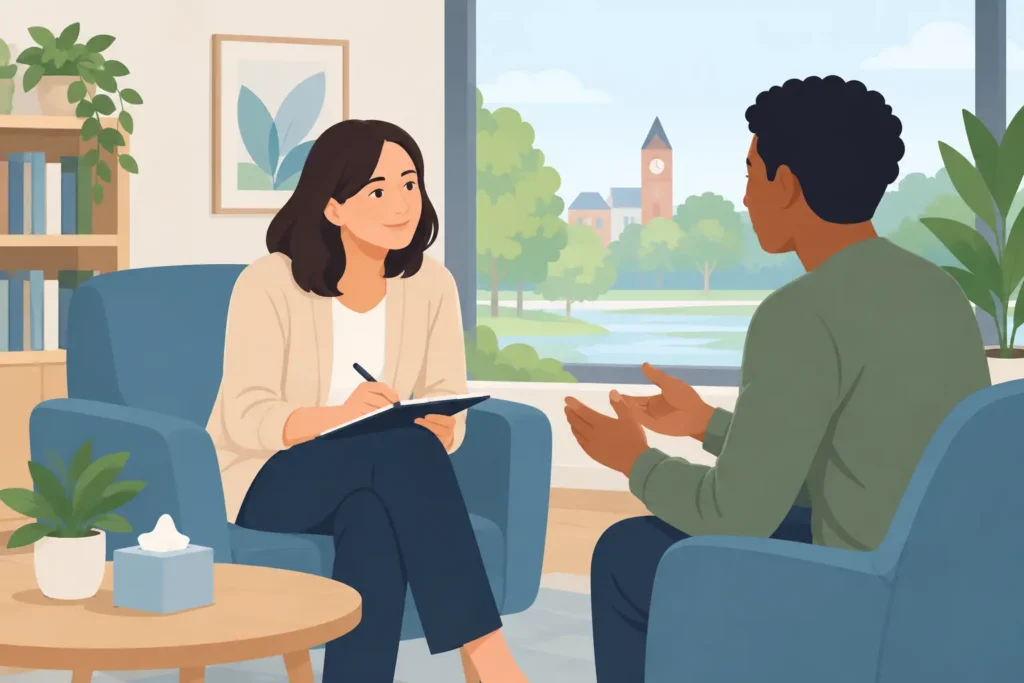
Therapy can help you understand triggers, strengthen coping skills, improve communication, and feel more grounded in daily life. It can also help when resilience has been worn down by chronic stress, grief, relationship challenges, life transitions, or long-standing emotional strain.
For some people, virtual care makes support easier to fit into a busy week. For others, in-person sessions feel more comfortable. Having both options can reduce barriers and make care more approachable, especially for people who are seeking help for the first time.
A steady way forward
Learning how to build emotional resilience is not about becoming unaffected by life. It is about creating a steadier relationship with your emotions, your needs, and your support system. It is the quiet practice of noticing, caring, adjusting, and beginning again.
You do not need to do everything at once. Start with one supportive habit, one honest check-in, or one conversation that helps you feel less alone. Small steps count, and with the right support, they can lead to real and lasting wellness.