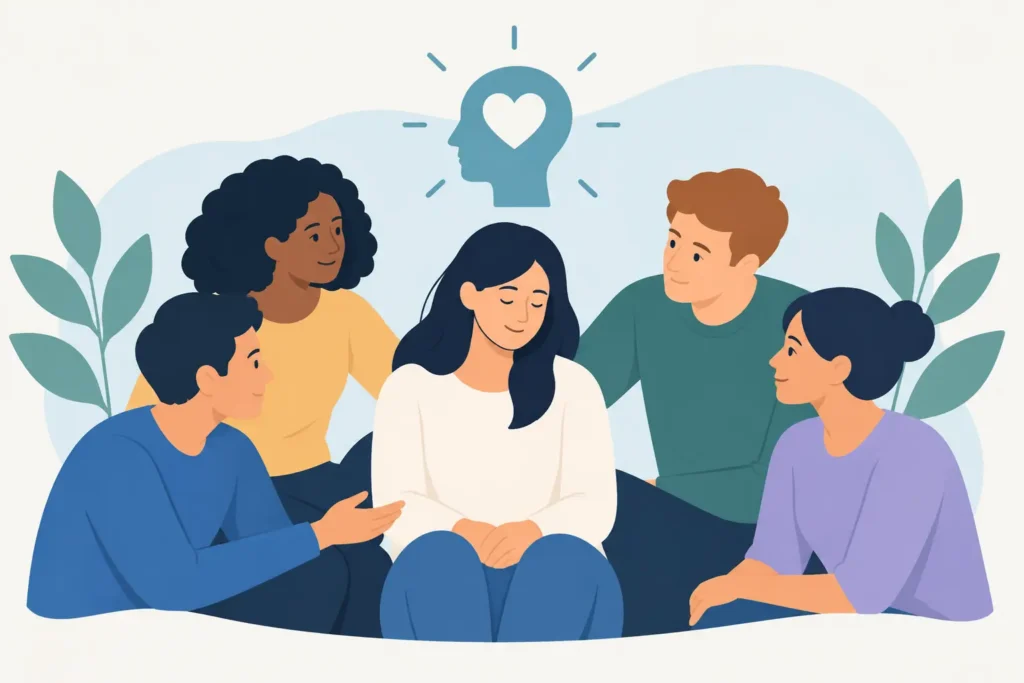

When someone reaches out for support, they are not just looking for a diagnosis or a time slot on a calendar. They are looking for care that respects who they are, what they have lived through, and what they want for their life. That is the heart of person centered mental health care. It starts with the belief that each person deserves to be seen as a whole human being, with strengths, preferences, goals, and a voice in every step of care.
For many people, that approach can make mental health services feel more welcoming from the very first conversation. Instead of feeling like they need to fit into a system, they are met with guidance that fits them. That difference matters, especially for adults and families who may be seeking support for the first time, returning to care after time away, or simply looking for a provider that feels more human and approachable.
What person centered mental health care really looks like
Person centered mental health care is built around partnership. A provider brings clinical training, structure, and support. The individual brings lived experience, values, preferences, and personal goals. Effective care grows from both.
In practice, that means conversations are guided by what matters most to the person receiving care. One person may want help managing daily stress so they can feel more present with family. Another may be focused on building routines, improving emotional wellness, or finding steady support through a season of change. A person-centered approach makes room for those differences instead of assuming every path should look the same.
This also shapes how care plans are created. Rather than making decisions for someone, providers work with them. They ask about needs, listen for priorities, and explain options in clear language. That process supports dignity and confidence, because people understand what is being offered and why it may help.
Why this approach feels different from standard care
Many people can tell within the first few minutes whether a provider is truly listening. Person-centered care often feels different because it slows down just enough to make space for trust. That does not mean treatment is vague or unstructured. It means structure is used in a way that supports the person, not the other way around.
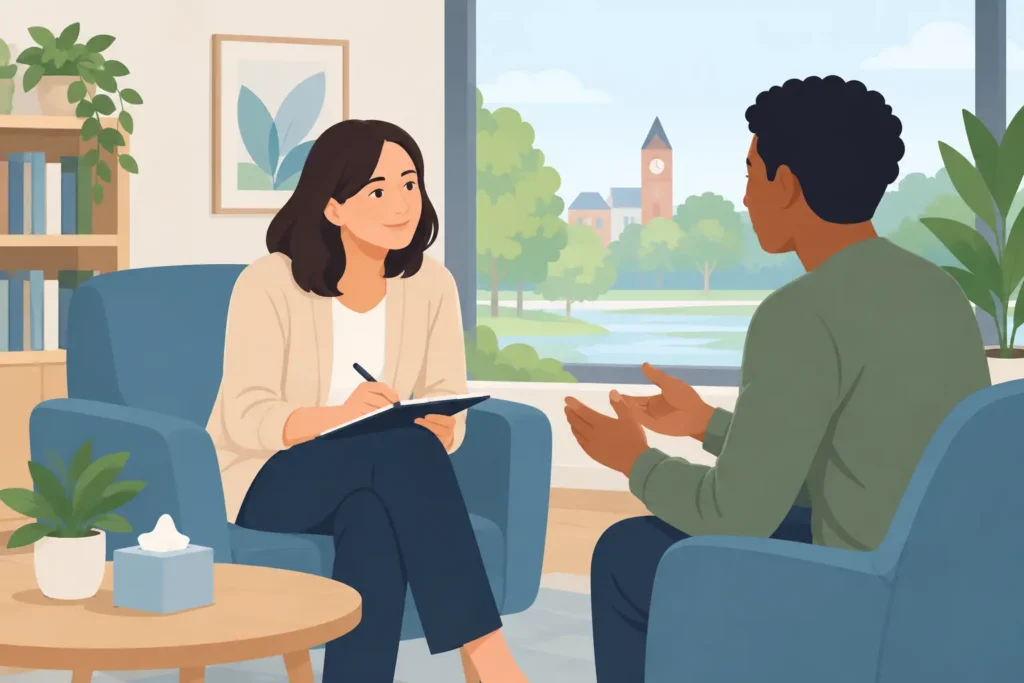
For example, intake is not just paperwork. It is a chance to understand what someone is experiencing, how urgently they want support, what format feels comfortable, and what kind of services may be the best fit. When intake is guided well, people often feel more at ease because the process is clear, confidential, and focused on helping them move forward.
There is also more attention to practical access. A truly person-centered model considers whether someone needs virtual therapy, prefers in-person sessions, wants scheduling that works around family or work, or needs help understanding where to begin. Care becomes more usable when these details are treated as part of wellness support rather than as afterthoughts.
The core elements of person centered mental health care
At its best, person centered mental health care includes several qualities working together.
First, it protects dignity. People deserve to be spoken to with respect, not talked over or reduced to a chart. Language matters. Tone matters. Feeling welcomed matters.
Second, it supports choice. Choice does not mean someone has to figure everything out alone. It means they are given understandable options and invited into decisions about their care.
Third, it values the full person. Mental health does not exist in isolation from family life, work responsibilities, identity, stress levels, physical wellness, community, or culture. Providers who recognize that can offer care that feels more relevant and supportive.
Fourth, it creates a path that is accessible. Quick intake, confidential communication, and flexible appointment options can help remove common barriers and make it easier to begin.
Finally, it builds on strengths. People often come to care while carrying resilience they may not even recognize yet. A person-centered provider notices what is already working and helps strengthen it.
How person centered care supports better engagement
One of the clearest benefits of this approach is that people are more likely to stay engaged when care feels aligned with their needs. If someone feels heard, respected, and included in decisions, the process often feels less overwhelming and more meaningful.
That does not mean every session is easy or every answer appears right away. Mental health care is still a process, and progress can look different from one person to the next. Some people want steady support over time. Others may be looking for focused guidance during a specific period. Person-centered care makes room for that flexibility while still providing professional direction.
This approach can also help families feel more supported. When a loved one begins care, family members often want reassurance that the process will be respectful, organized, and responsive. A provider who communicates clearly and centers the individual’s goals can help everyone feel more confident about next steps.
What to expect when care is truly centered on you
The first sign is often simple: you feel like a person, not a case. Questions are asked with care. Your concerns are taken seriously. The conversation is not rushed past the details that matter to your daily life.
You should also expect clarity. A supportive mental health provider helps you understand the intake process, what services may fit, how communication is handled, and what options are available for virtual or in-person support. Clear communication helps people feel grounded, especially when they are taking an important first step.
You may also notice that goals are discussed in practical terms. Instead of only talking in broad clinical language, person-centered care often focuses on how you want to feel and function in everyday life. Maybe you want more balance, steadier coping tools, better stress management, or stronger emotional wellness habits. These are real and meaningful goals, and they deserve attention.
Why access is part of person centered mental health care
Care cannot be person-centered if it is difficult to begin. Access is not separate from quality. It is part of quality.
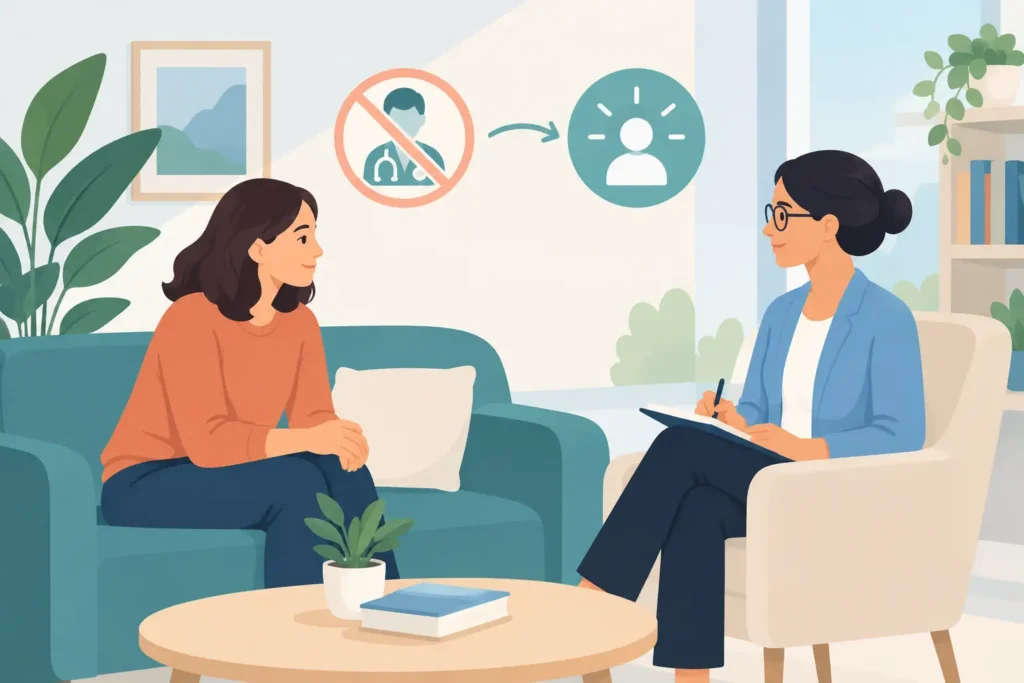
That is why details like no referral requirements, prompt responses, confidential intake, and flexible service formats matter so much. They help people move from thinking about support to actually receiving it. For someone who has been unsure where to start, that kind of guidance can feel grounding.
In community-based settings, this matters even more. People are often balancing jobs, caregiving, transportation, and packed schedules. Offering both virtual and in-person therapy can make support more realistic and more consistent. In areas like Chicago and nearby communities, accessible behavioral health services can play an important role in helping people connect with care that fits their lives.
Choosing a provider with a person-centered approach
If you are looking for support, it helps to notice how a provider talks about care. Do they focus only on services, or do they also speak about dignity, partnership, and wellness? Do they make it easy to ask questions? Do they explain what happens next in a calm, straightforward way?
A person-centered provider usually makes the path into care feel clear. They understand that some people know exactly what they want, while others want help sorting through options. Both are valid. The right support meets people where they are.
It is also worth paying attention to whether the provider creates a sense of safety and respect from the beginning. Confidential communication, organized intake, and a welcoming tone are not small details. They shape whether someone feels comfortable taking that next step.
For many individuals and families, this is what makes care feel sustainable. It is not only about having services available. It is about having services delivered in a way that feels supportive, inclusive, and realistic for everyday life.
Person centered mental health care reminds us that healing and wellness are deeply personal. The most effective support does not ask people to leave their identity, preferences, or goals at the door. It makes space for them. When care begins from that place, the path forward often feels clearer, steadier, and more hopeful.