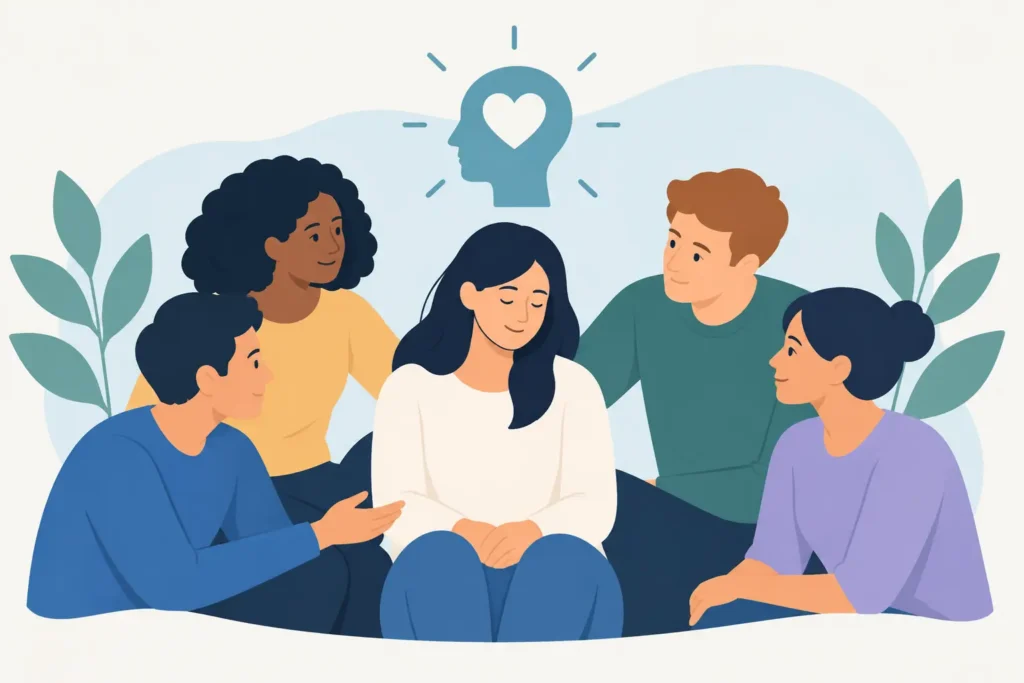
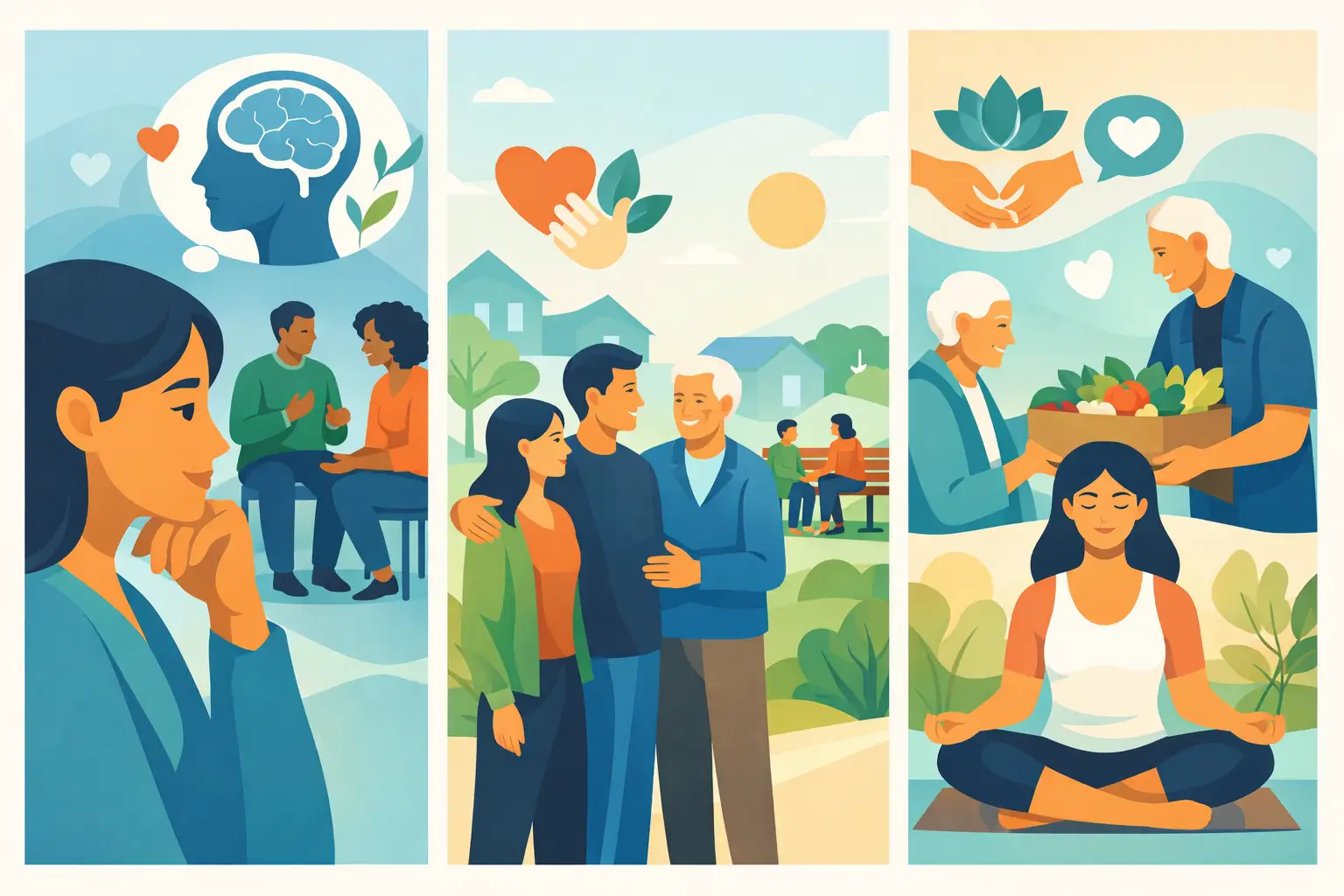
A community often shows its values in small moments – a neighbor who checks in, a friend who listens without rushing, a local organization that makes care feel easier to begin. When people ask how to support mental health in the community, the answer usually starts there. Real support grows through everyday connection, clear access to care, and a shared commitment to treating every person with dignity.
Mental health support does not belong only in a therapist’s office. It also lives in schools, workplaces, faith communities, apartment buildings, family conversations, and neighborhood events. That matters because many people first recognize their need for support in ordinary settings, long before they know what type of help would feel right.
Why community support matters
Mental wellness is deeply personal, but it is never separate from the environment around us. People tend to feel more grounded when they know they are seen, respected, and able to reach support without confusion or delays. A caring community can make that first step feel more natural.
Community support also helps normalize conversations about stress, emotional wellness, and therapy. When people hear supportive language from people they trust, mental health care feels more approachable. That shift is powerful because it replaces uncertainty with reassurance.
There is also a practical side to this. A community that understands mental health is more likely to share accurate information, encourage early support, and connect people to services that fit their needs. That kind of shared awareness can make care feel less overwhelming and more accessible.
How to support mental health in the community through everyday actions
The strongest community mental health support often looks simple from the outside. It can be a text message, a respectful question, or an offer to help someone find the right next step. These actions matter because they build trust.
Start by making space for real conversations. That does not mean having the perfect words. It means being present, listening with care, and letting someone speak at their own pace. Phrases like “I’m here with you,” “You matter,” or “Would it help to talk about what support could look like?” can create relief without pressure.
It also helps to be mindful of language. Person-centered words support dignity and wellness. Instead of defining someone by a diagnosis or a difficult moment, speak in ways that recognize the whole person. Respectful language helps communities feel safer and more inclusive.
Consistency matters too. A single check-in can feel comforting, but ongoing support often makes the biggest difference. Reaching out again, remembering what someone shared, or following up after they start services can strengthen a person’s sense of connection.
Reducing stigma by changing the tone
One of the most meaningful ways to support mental health is to make conversations about it feel ordinary, respectful, and welcome. Stigma often fades when people hear mental health discussed with the same care and calm used for any other part of wellness.
That can happen in families when adults model open conversations about stress management and emotional care. It can happen in workplaces when leaders speak with empathy about wellness and encourage people to use available support. It can happen in community spaces when mental health resources are shared in a visible, approachable way.
The goal is not to force personal disclosure. It is to create an environment where support feels available. Some people are ready to talk openly. Others prefer privacy and quiet guidance. A healthy community makes room for both.
Building access, not just awareness
Awareness is valuable, but access is what helps people move from intention to care. Many community members know support exists yet still feel unsure about where to begin. That is why practical guidance matters.
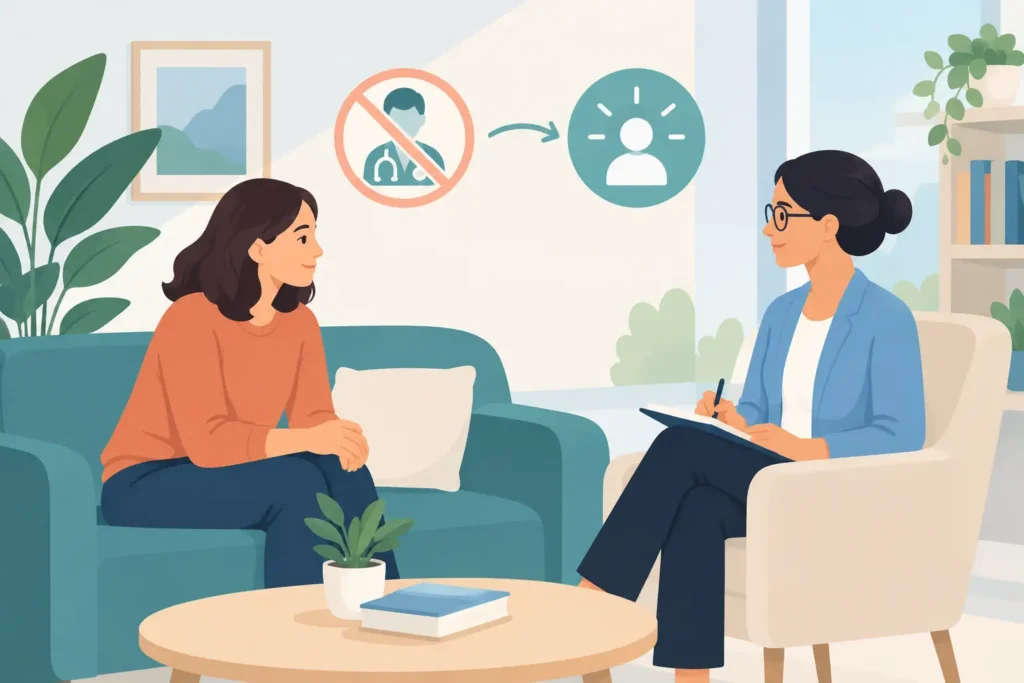
If you want to help, focus on reducing friction. Offer to help someone look at service options. Share what intake usually involves in simple terms. Remind them that many providers offer confidential communication and may have both virtual and in-person appointments. These details can make support feel more manageable.
This is especially important for first-time therapy seekers. They may not know what type of service fits their needs, what questions to ask, or whether they need a referral. A community that understands the basics of access can help people move forward with more confidence.
In areas such as Chicago and nearby communities, this can mean highlighting providers that offer approachable intake, flexible scheduling, and person-centered care. Local knowledge is helpful when it removes uncertainty and helps someone connect with support that feels within reach.
Creating supportive spaces in everyday settings
Community mental health grows stronger when support is woven into places people already trust. That includes schools, community centers, workplaces, houses of worship, libraries, and neighborhood organizations. These spaces do not need to become clinical settings to make a real difference.
What they can do is foster belonging. A welcoming front desk, a private place for conversation, staff who know how to respond with empathy, and visible information about behavioral health services all help create a culture of care.
There is no single formula for every setting. A workplace may focus on stress management conversations and flexible support options. A family-focused organization may emphasize emotional wellness resources and simple referral guidance. What matters is that the approach fits the people being served.
When someone may benefit from extra support
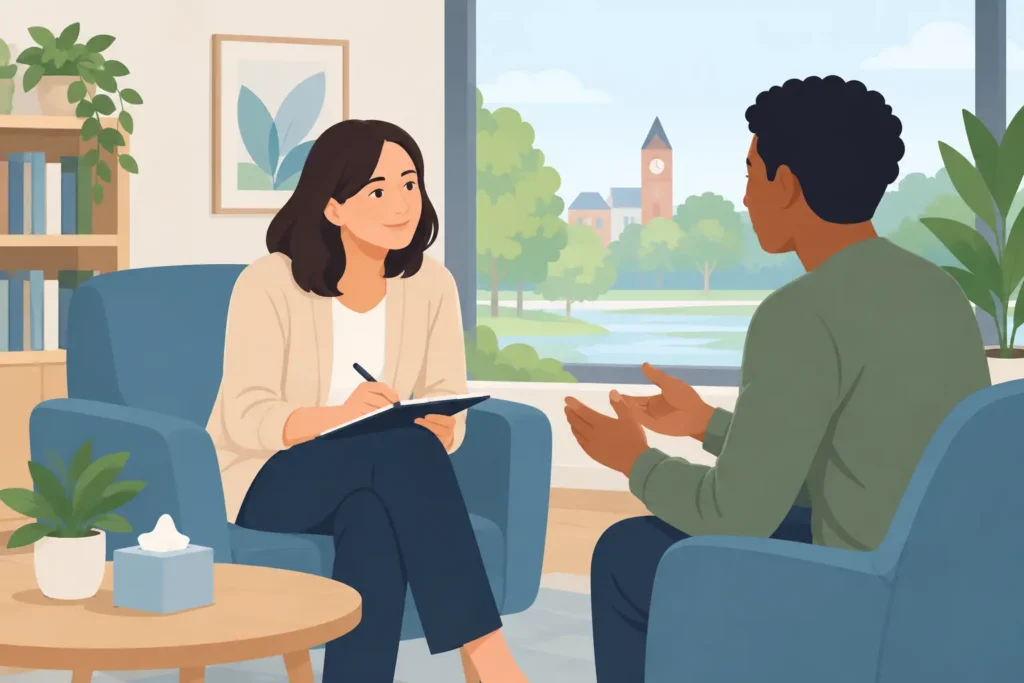
Community care includes knowing when a person may benefit from professional mental health services. Sometimes that need appears as ongoing stress, changes in mood, difficulty feeling like themselves, or feeling unsure how to manage daily emotional demands. The role of a supportive community member is not to diagnose. It is to notice with compassion and encourage a caring next step.
A gentle approach often works best. You might say that support is available, that reaching out can be a sign of strength, and that a guided intake process can help identify the best service path. This keeps the focus on care, not labels.
It also helps to honor choice. Some people want to start with virtual therapy because it feels more convenient and private. Others feel more comfortable with in-person care. Offering both options can support different needs, schedules, and comfort levels.
Supporting families and caregivers
Families often play a central role in community wellness. They are frequently the first to notice when someone could use extra support, and they are often the steady presence that helps a person take the next step.
The most helpful family support balances encouragement with respect. Ask what feels supportive. Offer practical help, like finding a provider, arranging transportation, or helping with appointment reminders. At the same time, allow the person to lead where possible. Dignity grows when support feels collaborative rather than controlling.
Caregivers benefit from support too. Emotional wellness is strengthened when families have space to ask questions, receive guidance, and access care that feels clear and confidential.
A community approach that lasts
If you are thinking about how to support mental health in the community over the long term, think less about one campaign and more about culture. A healthy culture of support is built through repetition. People hear affirming language again and again. Resources are easy to find. Asking for help feels normal. Care is treated as part of overall wellness.
That kind of culture does not happen by accident. It grows when community leaders, providers, families, and neighbors all play a part. Some people offer clinical care. Others offer encouragement, connection, and practical guidance. Each role matters.
At Ready 2 Heal, that community-centered mindset is reflected in person-centered care, confidential intake, and support that helps people find the right path without unnecessary barriers. That approach works because people are more likely to reach out when care feels welcoming, respectful, and easy to begin.
The most powerful thing a community can say is simple: you belong here, your wellness matters, and support is available when you are ready.