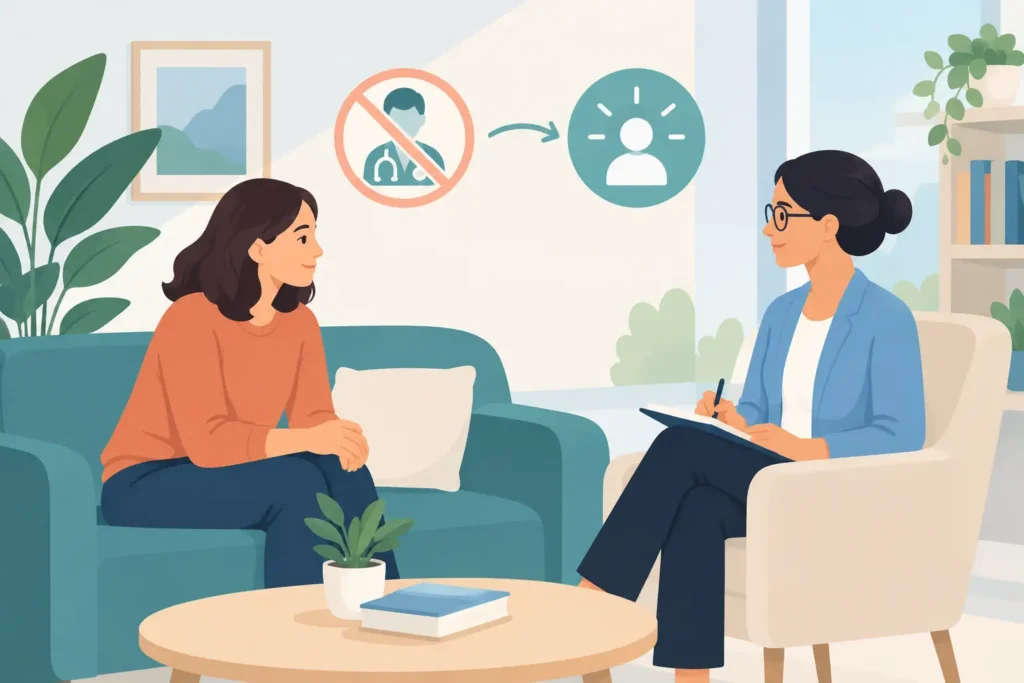
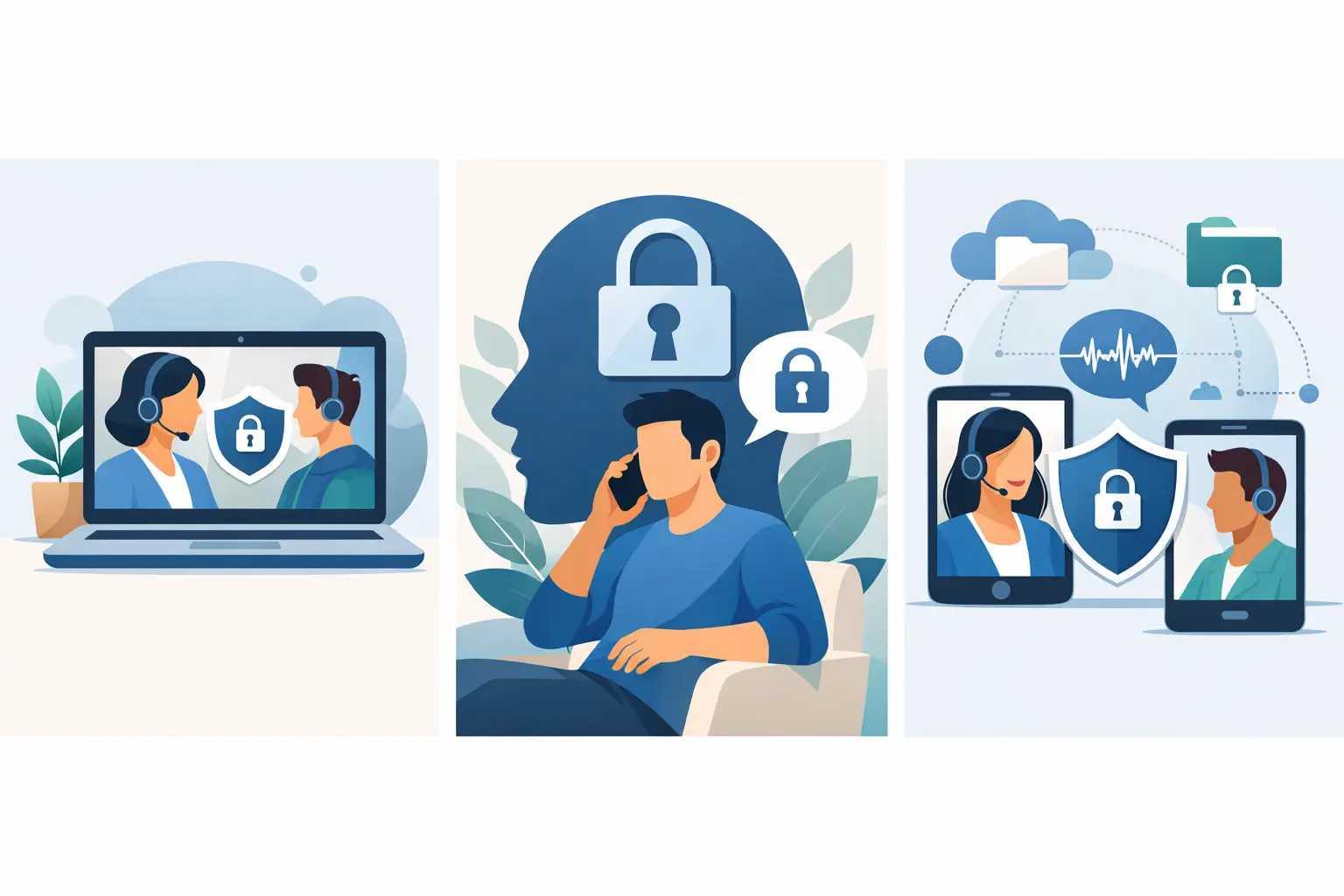
You may be ready to talk to a therapist, but still pause at one very practical question: is telehealth therapy confidential? That question matters. When you are sharing personal thoughts, stress, family concerns, or mental health symptoms, privacy is part of feeling safe enough to begin.
The reassuring answer is that telehealth therapy is designed to be confidential, just like in-person therapy. Licensed providers are expected to protect your privacy, use secure systems, and follow the same professional standards that apply in a traditional office. At the same time, confidentiality in virtual care is a shared effort. Your therapist, the technology platform, and your own environment all play a role.
Is telehealth therapy confidential in the same way as in-person care?
In most cases, yes. The core privacy rules for therapy do not disappear because a session happens by video or phone. Mental health professionals are still responsible for protecting your health information and handling your records with care. If a provider offers HIPAA-compliant communication and secure telehealth tools, your virtual appointment is built around the same commitment to confidentiality you would expect in an office.
That said, telehealth looks a little different in practice. In-person therapy usually happens in a private room controlled by the provider. Virtual therapy adds one more setting – yours. A secure therapist on one side of the call is only part of the picture. Your privacy also depends on where you take the session, who might be nearby, and how you use your device.
This does not make telehealth less trustworthy. It simply means confidentiality includes both clinical safeguards and everyday practical choices.
What protects your privacy during telehealth therapy?
Several layers work together to support confidential care. One of the most important is the platform itself. Reputable providers use secure systems designed for health care, not casual video chat tools. These systems are built to protect personal information during scheduling, messaging, and live sessions.
Another layer is provider responsibility. Therapists and behavioral health teams follow privacy policies, document care appropriately, and limit access to your records. A professional practice should also explain how communication works, what technology is used, and how your information is handled.
There is also informed consent. Before starting telehealth, many providers review what virtual care involves, how privacy is protected, and what to expect if a technical issue comes up. This helps you make an informed choice and gives you a clearer sense of what confidentiality means in the online setting.
For many people, this structure feels both safe and convenient. You can access support from home, from a parked car between responsibilities, or from another private place that works for your life.
HIPAA and secure communication
HIPAA is the privacy law many people think of first, and for good reason. It sets standards for how protected health information is used, stored, and shared. When a behavioral health provider says communication is HIPAA-compliant, that means they are using systems and processes intended to safeguard your information.
HIPAA matters, but it is not just a label. It should show up in the way a practice operates – secure intake forms, protected records, thoughtful communication, and clear privacy expectations. If you are considering telehealth therapy, it is reasonable to ask whether the platform and communication methods are HIPAA-compliant.
Your therapist’s professional duty
Confidentiality is also an ethical responsibility. Therapists are trained to protect client privacy and to create a space where people can speak openly. That responsibility applies whether the session is held in person or online.
A trustworthy provider will explain confidentiality in plain language, including the limited situations where information may need to be shared by law or safety protocol. Having that conversation upfront often helps people feel more grounded as they begin care.
What can affect privacy on your side?
This is where telehealth becomes more personal. Even with strong provider safeguards, your surroundings matter. If you are joining from a shared home, a busy office, or a public space, someone may overhear parts of the conversation. If your phone or laptop notifications are active, they can interrupt the sense of privacy too.
The good news is that small adjustments can make a big difference. Headphones help keep your therapist’s voice private. A white noise machine outside the door, a parked car, or a room with a fan running can create more privacy if home feels busy. Some people also let family members know they need quiet time during a session, without having to explain details.
There is no perfect setup required. Telehealth is meant to increase access to care, not create pressure. The goal is simply to choose the most private and comfortable space available to you.
Common concerns people have about confidential telehealth therapy
Many first-time clients wonder whether sessions are recorded. In a professional telehealth setting, recording is not something that should happen casually. If recording is ever part of a process, it should be discussed clearly and require your knowledge and consent. You should feel comfortable asking about this before your first appointment.
Another common concern is whether family members can access session notes or messages. In general, your therapy records are protected health information. Access is managed through privacy rules, clinical policies, and patient rights. If you are using shared devices or a shared email account, though, it helps to update passwords and choose private contact methods.
Some people also worry that virtual therapy feels less secure because it happens through the internet. That concern makes sense. In reality, secure telehealth is not the same as an ordinary video call. Health care platforms are selected and managed with privacy standards in mind. When providers use the right tools and you take a few basic steps on your end, virtual therapy can offer a strong sense of safety and discretion.
How to make your telehealth sessions more private
If privacy is one of the reasons you have delayed reaching out, a few simple choices can help you feel more at ease from the start. Try joining your session from a place where you can close a door or sit at a comfortable distance from others. Use headphones if possible. Check that your internet connection is secure and that your device is password protected.
It also helps to ask questions before your first appointment. You can ask what platform is used, whether communication is HIPAA-compliant, how messages are handled, and what backup plan is in place if a video session gets interrupted. These are normal questions. In fact, they often help build trust.
If you live in a busy household, you do not need a perfect home office to benefit from therapy. Many people create privacy in practical ways – scheduling during quieter hours, sitting in the car, or using a private corner with headphones and a sound machine nearby. What matters most is feeling supported enough to speak honestly.
When telehealth may feel especially helpful
For some people, telehealth offers a level of privacy that feels easier than walking into a waiting room. It can reduce the stress of commuting, simplify scheduling, and make therapy more accessible for parents, caregivers, working adults, and people managing full calendars. That convenience can support consistency, and consistency often supports progress.
In community-centered care settings, telehealth can also widen the path to support for people who are new to therapy and want an approachable first step. A guided intake process, clear communication, and person-centered support can make the experience feel more welcoming from the beginning.
For individuals and families in communities like Chicago, Des Plaines, Rosemont, Elmwood Park, Harwood Heights, and Norridge, virtual care may also make it easier to connect with services without rearranging an entire day. Privacy and convenience often work best together when care is designed around real life.
What to ask before booking
If you are still wondering whether telehealth therapy will feel private enough for you, it may help to ask a few direct questions before getting started. Ask how your information is protected, what telehealth platform is used, whether communication is HIPAA-compliant, and how intake forms are handled. You can also ask what steps the provider recommends for creating privacy at home.
A supportive behavioral health team should welcome these questions. Confidentiality is not a side detail. It is part of respectful, person-centered care.
If you are considering virtual support, trust that your need for privacy is valid. With the right provider and a setting that works for your life, telehealth therapy can offer a confidential, comfortable space to begin caring for your emotional wellness.