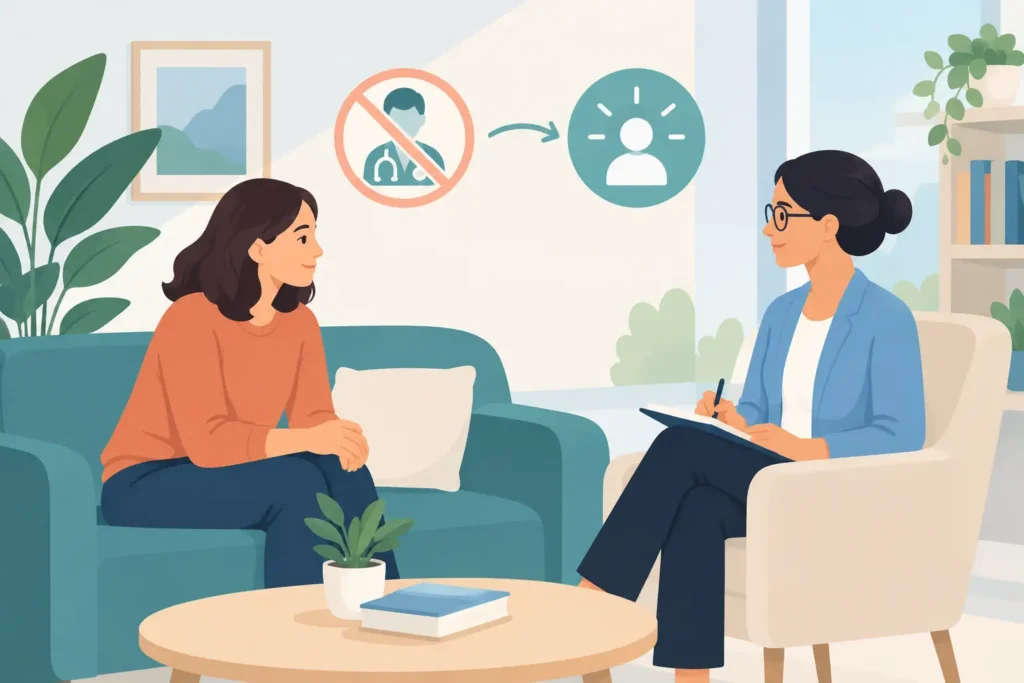

When someone reaches out for mental health support, one of the first questions is often not Do I need help? It is What kind of help fits my life right now? That is where understanding case management vs therapy services can bring real clarity. Both can support wellness, stability, and forward movement, but they do different jobs, and knowing the difference can make the first step feel much easier.
For many people, therapy is the more familiar term. Case management is just as valuable, yet it is often less understood. In a person-centered care setting, these services are not competing options. They are different forms of support that can work separately or together depending on what a person needs.
Understanding case management vs therapy services
Therapy services focus on emotional and mental health treatment. A therapist helps a person explore thoughts, feelings, behaviors, stress patterns, relationships, and coping skills. The work is often centered on healing, self-understanding, symptom relief, and building tools for daily life. Therapy can support concerns such as anxiety, depression, grief, trauma, life transitions, family stress, and ongoing emotional wellness.
Case management focuses on coordination and connection. A case manager helps a person identify practical needs, understand available services, and move through systems with more support. That may include help with care planning, connecting to community resources, coordinating appointments, supporting follow-through, and helping someone stay organized as they work toward wellness goals.
A simple way to think about it is this: therapy supports the inner work, while case management supports the practical path around that work. Both matter. Sometimes emotional healing is the priority. Sometimes stability, coordination, and access come first. Often, people benefit from both.
What therapy services are designed to do
Therapy creates space for reflection, growth, and emotional support. It is a confidential setting where a person can talk openly with a trained mental health professional and build strategies that fit their life. Sessions may focus on stress management, communication, boundaries, emotional regulation, family dynamics, or patterns that keep someone feeling stuck.
Therapy is especially helpful when a person wants support understanding what they are feeling and why. It can also help when someone is ready to build healthier coping tools, strengthen resilience, and feel more grounded in daily life. Some people begin therapy during a major life change. Others start because they want support that is consistent, private, and centered on their emotional well-being.
Therapy is not about having all the right words on day one. It is about having a safe, respectful space to begin where you are. For many first-time clients, that reassurance matters as much as the treatment itself.
What a therapist usually helps with
A therapist may help someone process emotions, understand behavioral patterns, manage stress, improve relationships, and develop practical coping strategies. The work can be short term or ongoing depending on a person’s goals and level of support needed.
Therapy can happen in person or virtually, which gives many adults and families more flexibility. That convenience can make it easier to begin care and stay connected to it.
What case management services are designed to do
Case management is often the right fit when a person needs guidance navigating systems, services, or next steps. Mental health support does not happen in a vacuum. Many people are balancing appointments, family needs, housing concerns, school issues, work responsibilities, transportation, or questions about how to access care. A case manager helps bring structure and support to those moving parts.
This service is especially valuable for people who feel unsure where to start or who need help staying connected to resources over time. A case manager can help identify barriers, clarify goals, and coordinate services in a way that feels organized and manageable.
Case management is not the same as counseling. The focus is less on processing emotions in depth and more on helping a person access and maintain the support systems that strengthen overall wellness. That practical assistance can make a meaningful difference in someone’s ability to stay engaged in care.
What a case manager usually helps with
A case manager may assist with intake coordination, service referrals, resource connection, appointment planning, communication between providers, and support around care goals. The exact role depends on the person’s needs, but the central purpose is consistent: helping people move through care with more clarity, support, and dignity.
For someone who feels overwhelmed by paperwork, scheduling, or system navigation, case management can make care feel much more approachable.
When one service may fit better than the other
Sometimes the best fit becomes clear when you look at the main challenge a person is facing right now. If someone wants help working through anxiety, grief, trauma, stress, or relationship concerns, therapy is usually the more direct service. If someone is trying to connect the dots between multiple needs and would benefit from coordinated support, case management may be the better starting point.
Still, real life is rarely that simple. A person might be emotionally overwhelmed and also need help organizing care. Someone might begin with therapy and realize they would benefit from case management too. Another person might start with case management because they are unsure what services fit, then move into therapy once their immediate needs and next steps feel clearer.
That is why guided intake matters. A thoughtful intake process can help match a person to the service path that best supports their goals instead of expecting them to figure it all out alone.
Case management vs therapy services in real life
Consider a person who is feeling emotionally exhausted, having trouble sleeping, and carrying stress from work and family responsibilities. Therapy may give them a place to process those experiences, learn coping skills, and rebuild a sense of balance.
Now consider a person who knows they want support but feels unsure how to organize appointments, access community resources, or stay on track with several care needs at once. Case management may help them build a clear plan, connect with the right services, and feel supported in the process.
Then there is the person who needs both. They may benefit from therapy for emotional wellness and from case management for coordination, follow-through, and practical support. In community behavioral health settings, that combination can be especially helpful because care often works best when it addresses both emotional and everyday needs.
Why the right starting point matters
Many people delay care because they think they need to know exactly what service to request before reaching out. In reality, a welcoming provider should help with that decision. You do not need perfect language or a full plan. You only need a starting point.
The right starting point is the one that makes support feel accessible. For some people, that means beginning with therapy because they are ready to talk. For others, it means beginning with case management because they need help getting organized and connected. Neither path is more valid. They simply serve different purposes.
At a community-centered behavioral health provider, the goal is not to place people into a rigid track. It is to listen, understand what matters most, and help them move toward care that feels useful, respectful, and aligned with their life.
How to choose between case management vs therapy services
If you are deciding between case management vs therapy services, ask yourself a few simple questions. Are you looking for emotional support, coping tools, and a space to process what you are experiencing? Therapy may be the right fit. Are you looking for help coordinating care, understanding available services, and connecting to practical resources? Case management may meet that need.
If the answer is both, that is helpful information too. Many people need support on more than one level, and that is a very human place to be. A compassionate intake process can help sort out what comes first and what combination of services may support the strongest path forward.
For adults and families in communities such as Chicago, Des Plaines, and nearby areas, access matters just as much as service type. Quick, confidential intake, virtual and in-person options, and respectful communication can make the process feel easier from the very first contact.
Ready 2 Heal approaches this process with that kind of clarity and care, helping people connect with support in a way that feels welcoming and centered on their goals.
The most helpful service is the one that meets you where you are and helps you keep moving toward wellness with confidence.