
A Supportive Place to Begin
Community counseling Elmwood Park can be a practical, caring next step when you want more space for your well-being. Sometimes that starts with a desire for greater balance, stronger coping skills, more fulfilling relationships, or a steady place to talk through life’s changes. Counseling offers dedicated time to focus on what matters to you, with guidance that respects your experiences, values, and goals.
For adults and families, approachable care can make a meaningful difference. The best experience often feels personal from the first conversation: clear information, welcoming communication, and a service path that fits your life. Whether you are new to therapy or returning to it as part of your wellness routine, community-based support can help you move forward with confidence.
What Community Counseling Can Offer
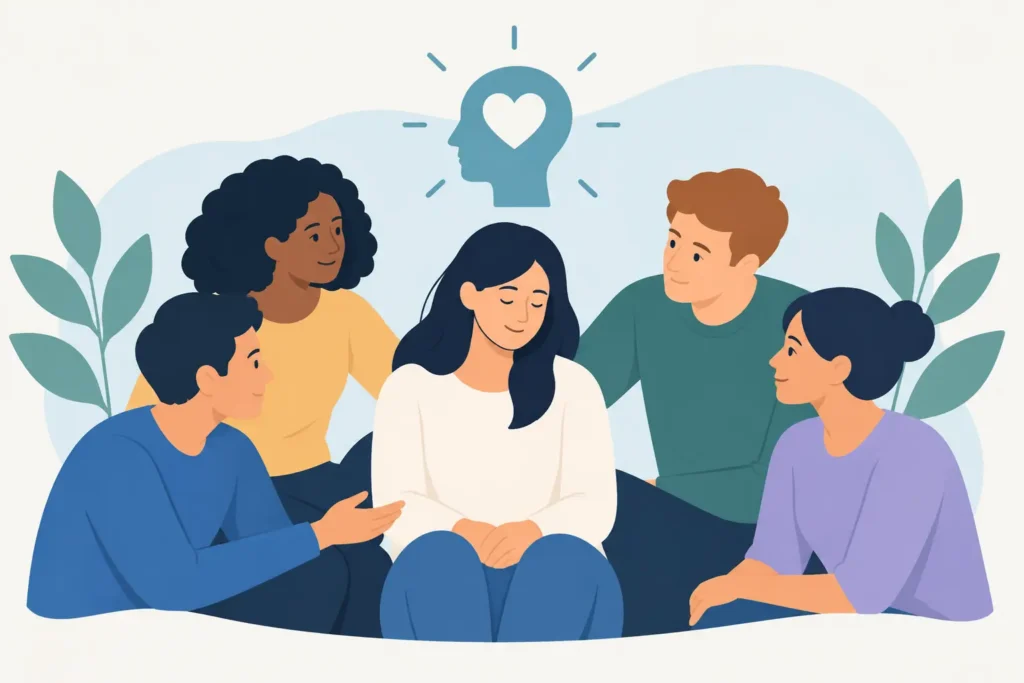
Community counseling is built around connection. It brings behavioral health support closer to the people, families, and neighborhoods it serves, making care feel more accessible and more human. Rather than treating wellness as a one-size-fits-all experience, a person-centered approach makes room for each individual’s strengths, preferences, culture, and pace.
Counseling may support emotional wellness, stress management, communication, life transitions, relationship growth, and personal resilience. Sessions provide an opportunity to reflect, build practical tools, and celebrate progress over time. For some people, a focused short-term goal feels right. For others, regular sessions create an ongoing foundation for wellness. Both approaches can be valuable.
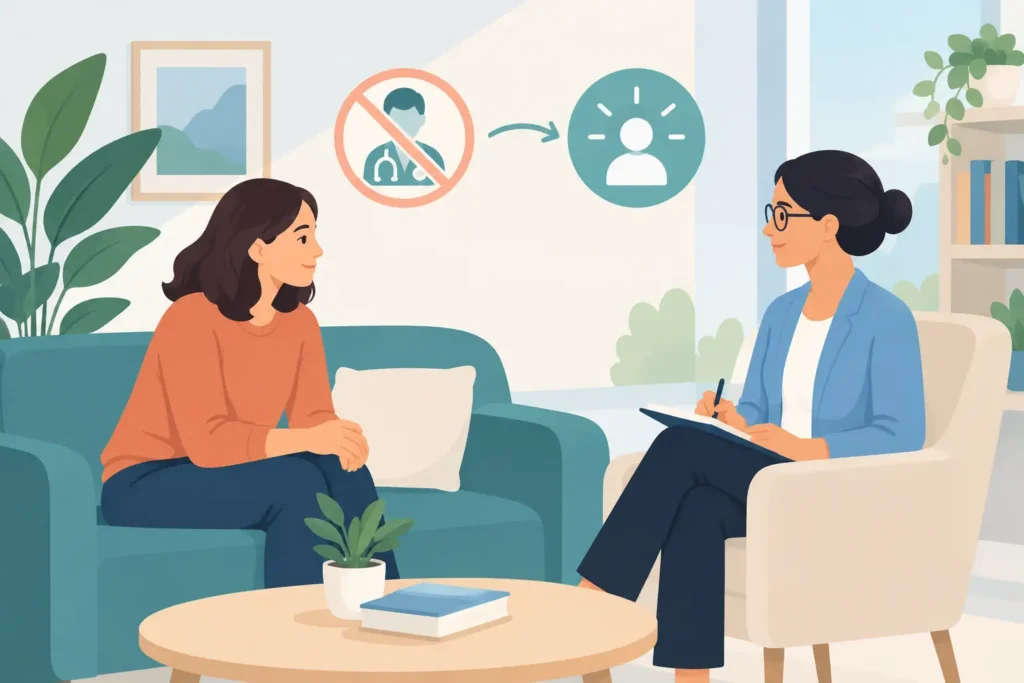
The relationship with a therapist is an important part of the experience. A good fit can help conversations feel comfortable, collaborative, and purposeful. Guided intake helps connect each person with an appropriate service path, so the first step feels clear and supported.
Care That Respects Dignity
Everyone deserves care that honors their dignity. Inclusive community counseling welcomes people from many backgrounds, life experiences, and family structures. It recognizes that wellness looks different for each person and that people bring meaningful strengths into the counseling process.
Respectful care also means listening closely. Your goals guide the conversation. A counselor may offer perspectives, skill-building activities, or reflection prompts, while you remain an active voice in shaping your care. This partnership helps counseling feel relevant beyond the session itself.
Choosing the Right Format for Your Life
The right counseling format depends on your schedule, comfort, privacy preferences, and desired style of connection. In-person therapy can offer a dedicated setting away from daily routines. Many people value the opportunity to sit together in a calm, welcoming space and create a clear boundary around their wellness time.
Virtual therapy can offer flexibility and convenience. It may be especially helpful for people balancing work, family responsibilities, transportation needs, or full calendars. A private, comfortable location and a reliable device can help make virtual sessions feel focused and personal.
Some people prefer one format consistently, while others appreciate flexibility as routines change. Both choices can support meaningful progress. The key is finding an option that makes it easier to keep care connected to your everyday life.
A Clear Path Into Community Counseling in Elmwood Park
Starting counseling should feel straightforward. An organized intake process helps transform a general interest in support into a clear next step. At Ready 2 Heal, the process centers on compassionate guidance, confidential communication, and an understanding of what you hope to gain from care.
A referral can be part of the process, and people can also begin by reaching out directly. During intake, you can share your preferences, discuss scheduling, and learn about available therapy options. This early conversation is a chance to ask practical questions and identify a service path that feels comfortable.
Privacy is central to behavioral health care. HIPAA-compliant communication supports a professional, confidential experience, allowing you to focus on your goals with greater peace of mind. Clear expectations around appointments, communication, and next steps can make the beginning feel more manageable.
Questions That Can Help You Prepare
You do not need to have every detail organized before connecting with a counselor. Still, a few simple reflections can help you describe what you would like from support. Consider the areas of life where you want more balance, the strengths that already help you, and the changes you hope to see over the coming weeks or months.
It can also be useful to think about logistics. Would daytime, evening, virtual, or in-person appointments fit best? Do you prefer a structured approach with specific goals, or a more open space for reflection? These preferences help create a care experience that feels aligned with your needs.
Building Skills That Carry Into Daily Life
Counseling is more than a conversation. It can be a place to practice skills that support wellness at home, at work, and in relationships. Depending on your goals, sessions may focus on identifying helpful routines, strengthening communication, creating space for rest, or developing tools for navigating busy seasons with more steadiness.
Progress often grows through small, consistent actions. A counselor might encourage you to notice patterns, build on positive habits, or try a new way of responding in an everyday situation. These steps can feel simple, yet they often create meaningful momentum over time.
It also helps to recognize that wellness has its own rhythm. Some weeks may bring clear insights, while others may feel quieter and reflective. Both can be part of a valuable process. Counseling offers continuity: a supportive place to return to, reconnect with your intentions, and keep investing in yourself.
Support for Families and Relationships
Emotional wellness can have a positive influence throughout a household. When one person has space to strengthen communication and self-awareness, those benefits can extend into family life, friendships, and work relationships. Families may also seek counseling together to create more understanding, establish shared goals, and support healthy connection.
Family-centered care recognizes that each person brings a unique perspective. A thoughtful counselor can help create a respectful setting where people have room to be heard. The focus stays on collaboration, growth, and the values that matter most to the family.
For parents and caregivers, counseling can also offer a valuable pause. Taking time to care for your own wellness supports the energy, patience, and presence you bring to the people you love.
Making Wellness Care Feel More Accessible
Many people wait for the perfect moment to begin counseling, yet a simple first conversation is often enough to create clarity. Community counseling helps make that first step feel welcoming by offering guidance rather than expecting you to know every detail of behavioral health care.
Accessible care includes practical choices, such as flexible therapy formats and clear scheduling, along with an affirming atmosphere. It means being treated as a whole person, not a checklist. When services are easy to understand and the intake experience is supportive, people can spend less energy sorting through options and more energy focusing on their wellness.
Community counseling in Elmwood Park offers an opportunity to make emotional wellness part of your ongoing care. A thoughtful first step can open space for reflection, resilience, and the kind of support that helps you keep growing in the direction that feels right for you.