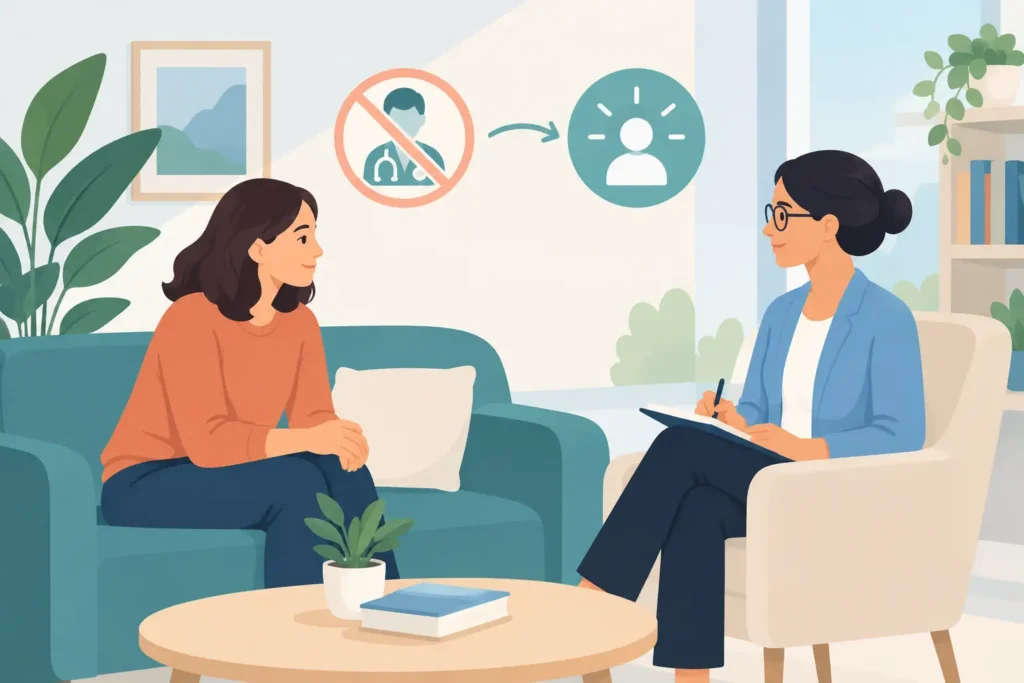

When someone starts looking for behavioral health services Chicago offers, they are often not searching for a perfect label. They are looking for relief, clarity, and a safe next step. Sometimes that means support for stress that keeps building. Sometimes it means help sorting through changes in mood, focus, sleep, relationships, or emotional balance. What matters most in that moment is finding care that feels approachable and respectful.
Behavioral health care should not feel distant or difficult to begin. For many adults and families, the hardest part is not deciding whether support could help. It is figuring out where to start, what kind of service fits, and whether the process will feel private, welcoming, and manageable. That is why accessible intake, clear communication, and person-centered care matter just as much as the service itself.
What behavioral health services in Chicago can include
Behavioral health is a broad term, and that can be reassuring. It means care can meet people where they are instead of forcing everyone into the same path. Some people are looking for one-on-one therapy to talk through stress, emotions, or life transitions. Others may want help building coping skills, improving emotional wellness, or creating steadier routines that support daily life.
Behavioral health services in Chicago may also include guided intake, wellness planning, ongoing therapeutic support, and care coordination that helps people understand what kind of help fits best. For someone new to mental health care, this guidance can be a major source of comfort. It removes the pressure of having to know the right clinical terms before reaching out.
A good provider will focus on the whole person, not just a symptom checklist. That means listening carefully, honoring personal goals, and offering support that respects culture, family dynamics, scheduling needs, and comfort level with treatment.
Why access matters as much as treatment
Many people benefit from care sooner when the first step is simple. Long wait times, unclear instructions, and complicated referral systems can make support feel farther away than it should. A more welcoming model is one that allows people to connect directly, complete a confidential intake, and learn their options without extra obstacles.
That is especially meaningful for first-time therapy seekers. If someone is already feeling overwhelmed, they should not have to sort through layers of gatekeeping just to speak with a professional. Direct access, quick scheduling, and clear communication create a more supportive experience from the start.
Privacy matters too. Many people want reassurance that their information will be handled with care and that communication is secure. HIPAA-compliant systems and respectful intake processes help build trust early. Trust is not a small detail in behavioral health. It is part of the care itself.
How to know what kind of support fits
People often wait to reach out because they are unsure whether their experience is “serious enough” for care. In reality, behavioral health support can be valuable across a wide range of needs. You do not need to have everything figured out before speaking with someone.
Sometimes the best starting point is simply noticing that daily life feels harder than usual. Stress may be lingering longer, motivation may feel lower, or emotions may be harder to manage. You may want support with relationships, life transitions, family responsibilities, work pressure, or maintaining emotional wellness over time. These are all valid reasons to explore care.
A guided intake can help sort through those questions. Instead of expecting people to choose the right service on their own, intake should help identify goals, preferences, and practical considerations. Some people feel more comfortable with virtual therapy because it fits work and family schedules. Others prefer in-person sessions for a stronger sense of presence and structure. The right answer depends on the person, not a one-size-fits-all model.
In-person and virtual therapy both have value
Flexibility can make care easier to continue. In-person therapy may feel grounding for people who want a dedicated space outside the home. It can also be helpful for those who focus better face to face.
Virtual therapy offers a different kind of convenience. It can reduce travel time, fit more naturally into a busy week, and make support feel more accessible for people balancing caregiving, work, or transportation concerns. Neither format is automatically better. What matters is whether it supports consistency, comfort, and connection.
Person-centered care changes the experience
Person-centered care is more than a phrase. It means the provider sees the individual as a partner in the process. Goals are discussed together. Communication is respectful and clear. Support is shaped around the person’s lived experience, values, and pace.
That approach can make behavioral health services feel more human and more sustainable. When people feel heard, they are more likely to stay engaged and build meaningful progress over time.
What to look for in behavioral health services Chicago providers offer
Choosing a provider can feel deeply personal. Credentials and services matter, but so does the overall experience of care. People often do best with providers who combine professionalism with warmth and practical support.
Look for signs that the process is easy to begin. A clear intake path, confidential communication, and straightforward appointment options can signal that the organization understands what people need at the first point of contact. For many, that first interaction sets the tone for whether care feels welcoming.
It also helps to look for language that reduces stigma and supports dignity. Behavioral health care should feel like a resource for wellness and resilience, not something reserved for crisis or uncertainty. Providers who speak in a respectful, community-centered way often create a better emotional experience for clients and families.
If you are seeking care in Chicago or nearby communities such as Des Plaines, Rosemont, Elmwood Park, Harwood Heights, or Norridge, local availability may be part of your decision as well. Convenience can make it easier to attend sessions consistently and stay connected to support.
The value of community-centered behavioral health care
Community-centered care recognizes that wellness does not happen in isolation. People bring their neighborhoods, families, work lives, cultural identities, and day-to-day responsibilities into the therapy space. A provider that understands this can offer support that feels more relevant and more respectful.
This matters in a city as diverse and fast-moving as Chicago. People are not all looking for the same thing, and they do not all arrive at care in the same way. Some want structured support and clear next steps. Others need a gentle introduction that helps them feel comfortable opening up. The strongest behavioral health services make room for both.
An inclusive approach also helps normalize reaching out for support. When care is presented as part of wellness, resilience, and everyday health, more people feel comfortable taking that first step. That shift matters for individuals, families, and the wider community.
Starting care should feel straightforward
For many people, the most helpful provider is the one that makes the beginning simple. That usually means a process that starts with a conversation, not a long list of barriers. It means being able to ask questions, share concerns, and receive guidance on what comes next.
Ready 2 Heal reflects this kind of approach by focusing on direct access, confidential intake, and flexible care options that meet people with dignity. That kind of structure can help turn uncertainty into a clear plan for support.
You do not need to prepare a perfect explanation before reaching out. You do not need to know the exact service name. You only need a starting point and a provider that knows how to help you take the next step with care.
Behavioral health support works best when it feels accessible, respectful, and grounded in real life. If you have been considering care, choosing a provider that offers clarity, privacy, and person-centered guidance can make that first step feel lighter and more hopeful.