A teen who seems fine at breakfast can feel overwhelmed by lunch and shut down by dinner. For many families, that is why virtual teen therapy feels less like a trend and more like a practical way to make support easier to reach when life is already full.
When therapy is available from home, a private room, or another familiar setting, the first step can feel more manageable. That matters for teens who are balancing school, activities, friendships, family stress, and the ongoing work of figuring out who they are. It also matters for parents and caregivers who want care to feel accessible, respectful, and realistic.
Why virtual teen therapy works for many families
The biggest benefit of virtual teen therapy is often access. Families do not have to work around as much travel time, and teens can meet with a therapist in a setting that feels known and comfortable. That can lower the pressure around starting care.
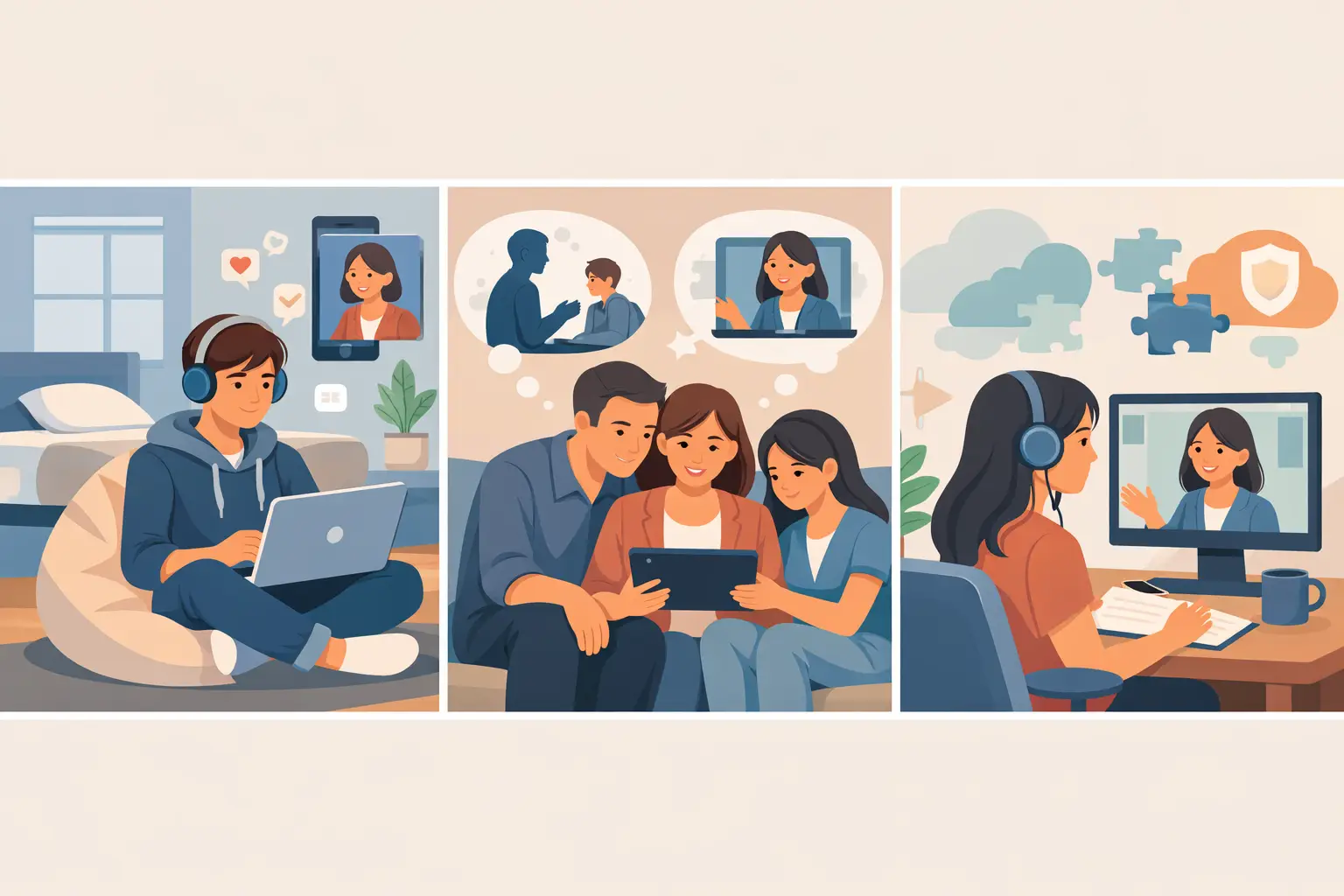
For some teens, talking through a screen feels surprisingly natural. They already use digital spaces to communicate, learn, and stay connected. A virtual session can feel familiar enough to help them settle in and start sharing at their own pace. That does not mean every teen opens up right away, but the format itself can support a smoother beginning.
Privacy can also be a meaningful part of the experience. Teens often care deeply about dignity and confidentiality, even if they do not always say it directly. When a provider uses a HIPAA-compliant platform and clearly explains how sessions work, families can feel more confident about the structure around care.
There is also the flexibility factor. A virtual appointment may fit more easily into a busy week, which helps care stay consistent. And consistency matters. Therapy tends to be most helpful when it becomes a regular space for support, reflection, and skill-building rather than something squeezed in only when schedules allow.
What virtual therapy can support
Teen therapy is not just for major life events. Many teens benefit from having a supportive space to talk through stress, big emotions, school pressure, social challenges, family transitions, and self-esteem. Others may need help building coping skills, improving communication, or understanding patterns in how they think and feel.
Virtual care can support a wide range of emotional wellness needs because the heart of therapy is still the relationship. A caring, skilled therapist helps a teen feel heard, respected, and guided. The screen changes the format, but it does not erase the human connection.
That said, the fit depends on the teen. Some young people do very well with telehealth sessions and appreciate the convenience. Others engage more easily in person. The most effective approach is the one that supports real participation, trust, and follow-through.
Signs a teen may respond well to virtual teen therapy
A teen does not need to be highly talkative or completely comfortable with emotions for virtual therapy to help. In fact, many teens begin therapy feeling unsure. What matters more is whether the format reduces friction.
Virtual teen therapy may be a strong fit when a teen feels more relaxed at home, has a full schedule, or prefers some physical distance while building trust with a therapist. It can also work well for families who want a simple way to begin care without extra logistical hurdles.
Some teens like the sense of control that comes with logging in from their own space. They may feel more grounded with a favorite blanket nearby, a pet in the room, or a familiar environment around them. Those small comforts can make a real difference.
Families also tend to appreciate how virtual care can support continuity. If transportation, work schedules, or after-school obligations make office visits harder to manage, online therapy can help keep support consistent.
When in-person care may be a better fit
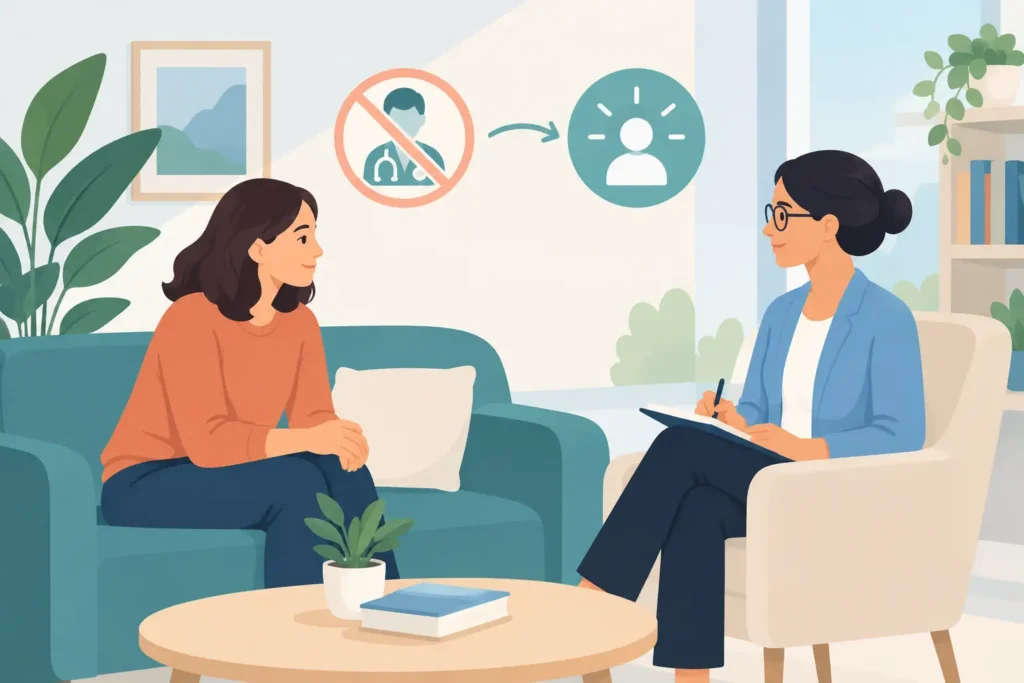
Virtual therapy is helpful for many families, but it is not automatically the best option in every situation. Some teens focus better in a therapist’s office where there are fewer household distractions. Others benefit from being fully away from home dynamics during a session.
There are also practical considerations. A teen needs a private space, a stable internet connection, and enough comfort with technology to participate. If privacy is hard to create at home, the sessions may feel less open or less useful.
This is where person-centered care matters. The goal is not to force one format. It is to help each teen and family connect with the service path that feels supportive, respectful, and workable.
How parents can help therapy feel easier to start
Parents and caregivers often set the tone for the first step. Teens tend to notice whether therapy is introduced as support or as pressure. A calm, respectful approach usually goes further than a long explanation.
It can help to frame therapy as a space for the teen, not a punishment and not a performance. Let them know it is a place to talk, ask questions, learn coping tools, and be heard. That message supports dignity and makes the process feel more approachable.
Practical setup matters too. Before the first session, help create a quiet, private spot with headphones, a charged device, and a reliable connection. Then give your teen room to have the conversation. Support and privacy can exist together.
If your teen is hesitant, that is okay. Starting therapy does not require perfect readiness. Many people become more comfortable after they understand what to expect and realize they do not have to share everything all at once.
What to look for in a provider
Not all virtual care experiences feel the same. Families should look for a provider that makes access clear and simple, explains intake in plain language, and offers confidential communication through HIPAA-compliant systems.
A strong provider also understands that families may come in with different levels of familiarity. Some know exactly what they want. Others need guidance. Supportive intake can make a big difference because it helps match the teen and family to the right care path instead of leaving them to sort it out alone.
It is also worth paying attention to how the provider talks about care. Language matters. When services are presented in a respectful, welcoming way, therapy feels more human and less intimidating. That can be especially valuable for teens and families who are seeking support for the first time.
For families in communities such as Chicago, Des Plaines, Rosemont, Elmwood Park, Harwood Heights, and Norridge, virtual care can add meaningful flexibility while still keeping support close to home. Ready 2 Heal reflects that community-centered approach by making the path into care feel direct, confidential, and compassionate.
Building connection through a screen
One of the biggest questions families ask is whether therapy can feel genuine online. In many cases, yes. Connection does not come from the room alone. It comes from being listened to with care, guided with skill, and treated with respect.
Therapists who work well with teens know how to create that connection over video. They pace the conversation thoughtfully, make room for silence, ask clear questions, and notice the teen’s comfort level. Over time, that steady presence can help therapy become a trusted part of the teen’s support system.
Parents do not have to have every answer before getting started. They only need a path that feels safe and doable. When access is simple and care is person-centered, virtual therapy can become a valuable source of emotional wellness support for the whole family.
A thoughtful next step for families
Virtual teen therapy is not about choosing the most modern option. It is about choosing a format that gives your teen a real chance to feel supported, understood, and engaged in care. If an online setting makes that first conversation easier to begin and easier to continue, that is worth paying attention to.
Sometimes the most meaningful shift for a family is not dramatic. It is simply having a clear, confidential way to begin. And for many teens, that steady opening is where resilience starts to grow.