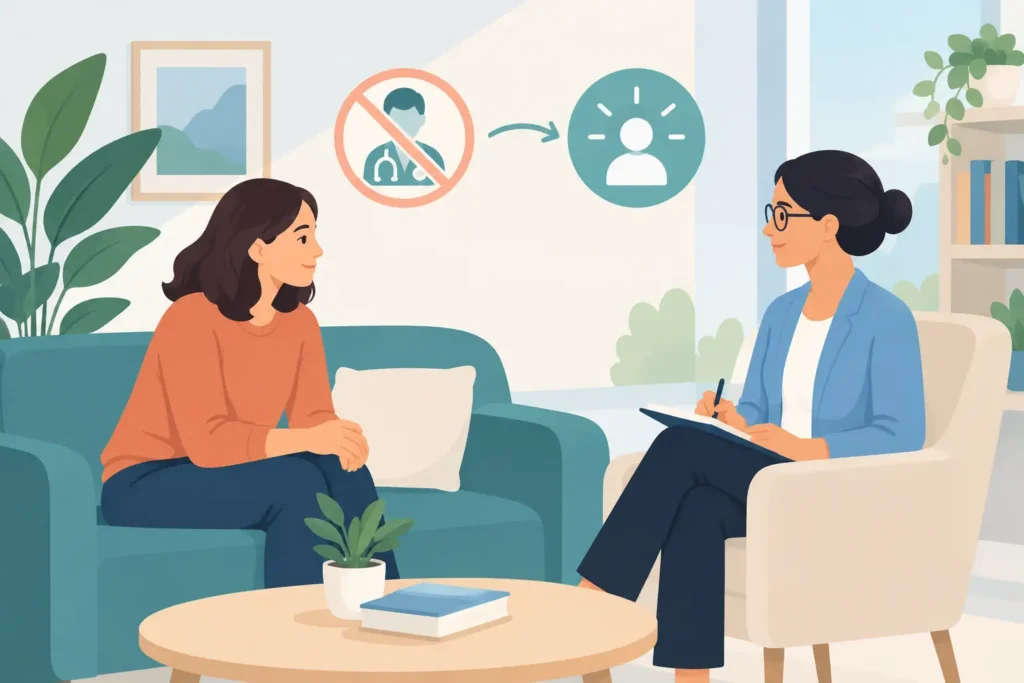

Some people know exactly what kind of help they want. Others just know that something feels heavy, stressful, or harder to carry alone than it used to. That is often where support with mental health issues begins – not with the perfect words, but with the simple recognition that care could help.
For many adults and families, the hardest part is not deciding whether wellness matters. It is figuring out what to do first. Should you look for therapy? Ask about stress management? Start with an intake call? If you have never entered behavioral health care before, the process can feel unfamiliar. A good care experience makes that first step feel clear, respectful, and easy to begin.
What support with mental health issues can look like
Mental health support is not one single service. It can include therapy, emotional wellness coaching, stress management tools, or a guided intake process that helps match a person to the right next step. The best approach depends on what you are experiencing, how long it has been affecting daily life, and what kind of care feels realistic for your schedule and comfort level.
Sometimes a person wants regular space to talk through anxiety, burnout, grief, or relationship strain. Sometimes they need help building routines that support sleep, focus, and emotional balance. In other cases, they are looking for a place to start because they are unsure what kind of service fits. That uncertainty is common, and it should never be a barrier to care.
Support also looks different across seasons of life. A working adult may need virtual sessions that fit around a busy calendar. A family may want guidance that feels grounded and approachable. Someone seeking care for the first time may value a team that explains the process clearly and helps them move forward with confidence. Effective care meets people where they are.
Why the first step often feels so personal
Reaching out for care is practical, but it is also deeply personal. People want to feel heard, not processed. They want privacy, clear communication, and the reassurance that their concerns will be treated with dignity. That is why person-centered care matters so much in behavioral health.
A person-centered approach focuses on the individual, not just a checklist of symptoms. It asks what support feels most useful right now. It respects pace. It creates room for preferences, culture, family dynamics, and comfort with treatment. For someone new to therapy, that can make the difference between feeling uncertain and feeling ready.
Confidentiality matters here too. When communication is secure and intake is handled professionally, people can focus on care instead of logistics. That kind of structure may sound simple, but it builds trust. And trust is often what helps someone keep going after the first conversation.
Signs it may be time to seek support with mental health issues
Not everyone reaches out during a major life event. Often, people seek care because everyday stress starts taking up more space than it used to. They may feel emotionally worn down, find it harder to stay present, or notice that work, family life, and personal well-being feel less balanced.
At other times, the sign is less about intensity and more about duration. When stress, sadness, worry, irritability, or overwhelm keep showing up and make it harder to feel like yourself, support can be a meaningful next step. You do not need to have everything figured out before asking for help. You only need a willingness to begin.
There is also no single right moment. Some people reach out early because they want tools before stress grows. Others wait until they are sure they want consistent support. Both paths are valid. What matters is finding care that responds with compassion and clarity.
What makes access easier
The idea of getting help is one thing. Accessing it is another. Many people want support but feel discouraged by long wait times, unclear requirements, or uncertainty about where to start. Accessible care removes those obstacles as much as possible.
A straightforward intake process helps. Instead of expecting people to sort through every treatment option on their own, guided intake offers a conversation that identifies needs, preferences, and practical considerations. That can include whether virtual or in-person care fits better, what kind of scheduling is manageable, and what support goals matter most right now.
Flexible service delivery matters too. Virtual therapy can make care easier for people balancing work, caregiving, transportation, or energy limitations. In-person services can feel grounding for those who prefer face-to-face connection. Having both options creates room for real life, which is often what makes ongoing care sustainable.
Direct access also makes a difference. When people can reach out without extra gatekeeping, it lowers the threshold for getting started. That is especially meaningful for first-time clients who may already feel hesitant. An approachable path into care supports emotional wellness before the first session even begins.
Choosing the right kind of care
If you are looking for support, it helps to think less about picking the perfect label and more about identifying your current needs. Are you looking for a space to process emotions? Do you want practical tools for stress management? Are you hoping someone can guide you toward the right service path? These questions can point you in the right direction.
Therapy is often a strong fit when you want ongoing support, insight, and strategies for emotional well-being. Stress management services may be especially helpful when daily pressure, life transitions, or burnout are affecting focus and resilience. Guided intake is ideal when you are open to help but unsure what kind of care makes sense.
There can be overlap, and that is okay. Many people do not arrive with neat categories. A quality behavioral health provider helps sort through those layers with warmth and professionalism. The goal is not to make you fit a system. The goal is to connect you with care that feels relevant and supportive.
What compassionate care feels like in practice
Compassionate care is more than a friendly tone. It shows up in the details. It means communication is respectful and clear. It means you are not expected to know all the right terms before reaching out. It means questions are welcomed, privacy is protected, and next steps are explained in a way that feels manageable.
It also means recognizing that progress is personal. Some people want to move quickly into regular sessions. Others need a little more time to get comfortable with the process. Neither approach is better. Good care creates a structure that supports momentum while respecting each person’s pace.
Community-centered providers often bring an added layer of comfort because they understand care as a relationship, not just a transaction. The focus stays on helping people feel supported, connected, and equipped for wellness in everyday life. In places like Chicago and nearby communities, that local, approachable model can help care feel more real and within reach.
Ready 2 Heal reflects this kind of approach by making it easier to begin with confidential intake, flexible therapy options, and a clear path into services.
How to prepare for your first conversation
You do not need to prepare a perfect explanation of what you are feeling. A few simple reflections can help. Think about what has been taking the most energy lately, what kind of support sounds most helpful, and whether you prefer virtual or in-person care. Even a short description is enough to start a useful conversation.
It can also help to consider what would make care feel accessible for you. That might be appointment times, communication preferences, or a provider who explains things clearly. These details matter because mental wellness support works best when it fits your actual life.
If you are helping a loved one get started, the same principle applies. Focus on clarity, respect, and manageable next steps. Support is often easier to accept when it feels human and uncomplicated.
A stronger path forward starts with one clear step
Support with mental health issues does not have to begin with certainty. It can begin with a question, a conversation, or a simple decision to explore care that honors your dignity and supports your wellness. When the process is compassionate, confidential, and easy to access, starting feels lighter.
The right support does not ask you to have all the answers first. It meets you with care, helps you find your footing, and reminds you that resilience grows one step at a time.