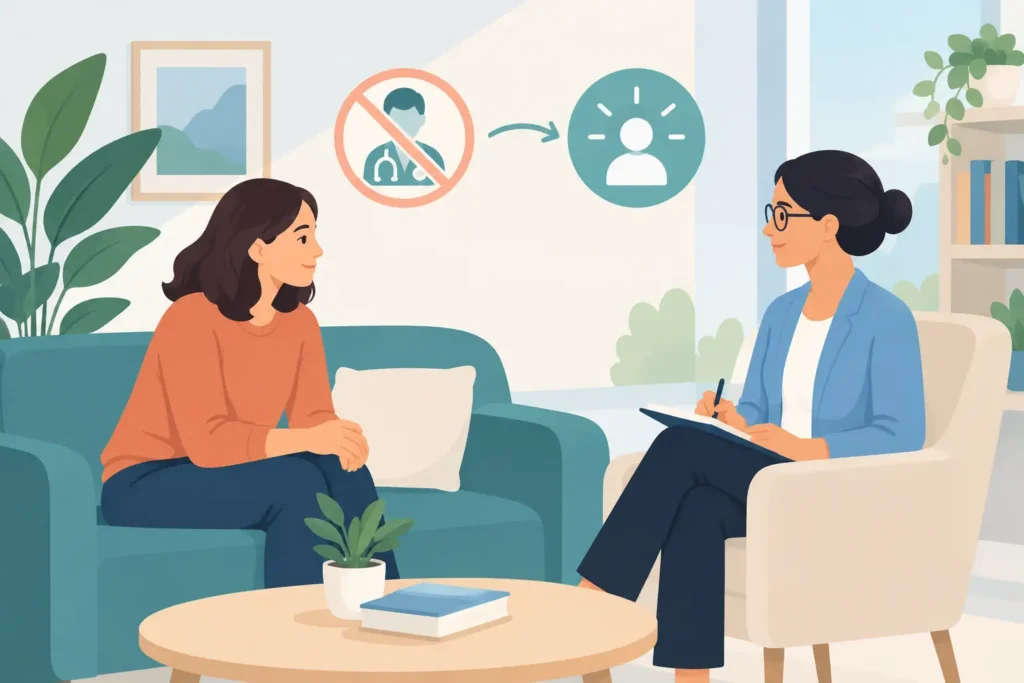

A full calendar can make emotional wellness feel like one more item to manage. Outpatient counseling Des Plaines offers a different kind of support: dedicated time to focus on your well-being while continuing to care for your family, work toward your goals, and stay connected to daily life.
For many people, the first step is simply finding a welcoming place to talk. Counseling can create room to understand stress, build resilience, strengthen relationships, and develop practical skills that support lasting wellness. Care works best when it feels personal, respectful, and easy to begin.
What Outpatient Counseling Can Offer
Outpatient counseling is behavioral health care that fits alongside your regular routine. Sessions may take place in person or virtually, depending on your preferences and scheduling needs. You meet with a qualified mental health professional, explore the experiences that matter to you, and shape goals together over time.
This format supports adults and families who value consistency, flexibility, and privacy. Some people come to counseling to build tools for stress management. Others want support for mood, family communication, life transitions, grief, or ongoing mental health needs. Every reason for seeking care deserves respect, and every person brings strengths that can guide the process.
Counseling is not about following someone else’s definition of progress. It is a collaborative space where your voice, culture, values, and priorities help guide each conversation. Your clinician can offer perspective, evidence-based strategies, and compassionate encouragement as you move toward the changes that feel meaningful to you.
Outpatient Counseling in Des Plaines That Fits Real Life
Life in and around Des Plaines often includes work commitments, school schedules, caregiving, commuting, and community activities. A counseling experience that respects those responsibilities can make it easier to stay connected to care. Flexible appointment options, including virtual therapy when appropriate, allow many people to create a rhythm that supports both wellness and everyday responsibilities.
Virtual sessions can be especially helpful for people who appreciate the comfort and convenience of meeting from a private location. In-person counseling can offer a dedicated setting away from the pace of home and work. The best option depends on what helps you feel comfortable, focused, and supported.
A guided intake also makes the beginning feel clear. You can share what brings you to counseling, discuss preferences for care, and learn which service path aligns with your goals. This conversation creates a thoughtful foundation for care and helps you start with confidence.
A person-centered approach makes a difference
Person-centered care recognizes that you are the expert on your own experiences. A counselor brings clinical knowledge, while you bring your perspective, hopes, relationships, and lived experience. Together, those pieces can form a care plan that feels useful in daily life.
For some people, progress looks like pausing before reacting during a busy moment. For others, it may mean communicating with more clarity, creating healthier routines, or feeling more connected to the people they love. Small, steady steps deserve to be recognized. They often become the building blocks of meaningful growth.
An inclusive counseling environment also honors dignity. People of many backgrounds, identities, family structures, and life experiences deserve care that feels affirming and welcoming. When clients feel seen and heard, they can engage more fully in their wellness journey.
What to Expect From Your First Sessions
Starting therapy can feel like opening a new conversation with yourself. The first sessions often focus on getting to know one another and creating shared direction. Your counselor may ask about your current routines, relationships, sources of support, wellness goals, and the experiences that have shaped you.
You are welcome to ask questions, too. You might want to know how sessions are structured, what approaches your counselor uses, how virtual appointments work, or how progress is reviewed. Clear communication helps create a trusting relationship from the beginning.
As counseling continues, your sessions can include reflection, skill building, and practical planning. A counselor may help you explore patterns, practice grounding strategies, identify strengths, or prepare for conversations that matter to you. The process is tailored to your goals rather than forced into a single path.
Confidentiality is also central to a supportive counseling relationship. HIPAA-compliant communication and respectful handling of personal information help protect your privacy. Knowing that your information is treated with care can make it easier to speak openly and focus on what you need.
Choosing a Counseling Provider With Confidence
The right provider is more than a name on a directory. It is a team that helps you feel welcome from the first call or message. As you consider outpatient counseling, look for clear scheduling information, an approachable intake process, and services that match your preferences for in-person or virtual care.
It can also help to think about what you want from the relationship. Some people value a counselor who offers structured exercises and practical strategies. Others appreciate a more reflective conversation that gives them space to process experiences. Many counseling relationships include both, with the balance shaped around the client’s needs.
Accessibility matters, too. Direct access to services can help people move from considering support to beginning care. Ready 2 Heal offers a compassionate entry point for community members seeking behavioral health services, with confidential intake and options designed to support real lives.
Making time for your well-being
A counseling appointment is time set aside for your health, much like making space for sleep, movement, nourishing meals, or meaningful connection. It can become a reliable part of your week – a place to reset, reflect, and practice skills that carry into the days ahead.
Many people find that a regular session creates helpful continuity. When life feels especially full, that consistency can support clearer priorities and a stronger sense of direction. When life is going well, counseling can also be a place to build on momentum and continue investing in emotional wellness.
There is no single pace for counseling. Some clients seek focused support around a particular goal, while others appreciate ongoing care as part of their broader wellness routine. The right cadence is one that feels sustainable and aligned with your needs.
A Supportive Next Step
Seeking outpatient counseling is a meaningful act of care for yourself and the people who share your life. You do not need to have every answer before you reach out. A welcoming intake conversation can help you explore your options and choose a service path that feels right for you.
Your wellness deserves time, attention, and compassion. A supportive counseling relationship can offer a steady place to build insight, practice new skills, and move forward with resilience – one conversation at a time.