A first therapy appointment can bring up practical questions alongside personal ones. Is online counseling confidential? For most people receiving care through a qualified behavioral health provider, the answer is yes. Virtual counseling is designed to protect your personal health information while making support more accessible from a space that feels comfortable to you.
Confidentiality is more than a promise made at the start of a session. It is part of the care experience: how information is collected during intake, how appointments are hosted, who can view records, and how your therapist communicates with you. Understanding these details can help you begin counseling with greater comfort and focus on what matters most – your wellness.
Is online counseling confidential under HIPAA?
Online counseling provided by a HIPAA-compliant behavioral health practice is confidential under the same privacy standards that guide in-person care. HIPAA, the Health Insurance Portability and Accountability Act, sets national standards for how healthcare providers protect personal health information.
Your information may include your name, contact details, appointment history, intake forms, treatment records, payment information, and the personal topics you choose to discuss in counseling. A provider uses safeguards to keep this information private and shares it only for appropriate care, payment, and healthcare operations, or when you give permission.
At the beginning of care, your provider should explain its privacy practices in clear language. This conversation is a valuable opportunity to ask how your records are stored, how messages are sent, and how you can update your communication preferences. In person-centered care, you deserve to understand how your information is treated.
HIPAA also recognizes a small number of situations where healthcare professionals have legal and safety responsibilities to involve additional support. Your counselor can explain these circumstances during informed consent so you know what confidentiality looks like in your care relationship from the beginning.
What makes virtual counseling private?
Privacy in online counseling comes from both the provider’s systems and the setting you choose for your session. A thoughtful approach to both can create a reassuring experience.
A secure telehealth platform
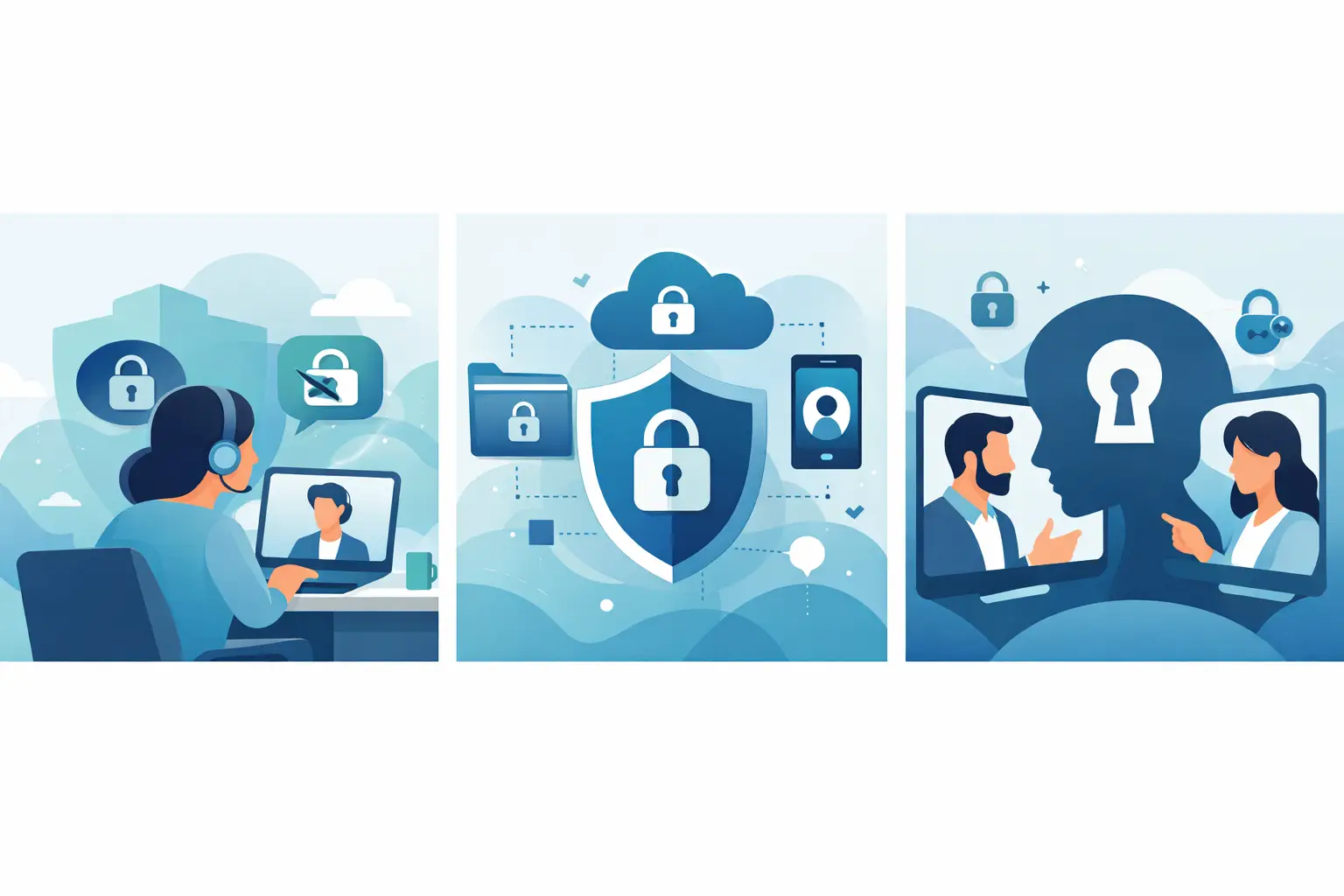
A behavioral health provider should use a telehealth platform designed for healthcare communication. These platforms commonly use safeguards such as encrypted video connections, secure logins, access controls, and privacy-focused agreements with technology partners. Secure client portals may also be used for forms, scheduling, documents, and messages.
It helps to remember that a video visit is healthcare, not simply a casual video call. A provider’s telehealth system, policies, and trained team all work together to support confidential communication. If you are comparing counseling options, asking whether the practice uses HIPAA-compliant telehealth tools is a practical first step.
A private space that works for you
Your surroundings matter, too. Many people choose a bedroom, home office, parked car, or another quiet place where they feel at ease. Headphones can add an extra layer of privacy and may help you stay connected to the conversation.
Choose a location where you can speak openly and where screen visibility feels comfortable. If home is active or shared, you might schedule a session during a quieter time, use a white-noise machine outside the door, or explore an in-person appointment. Virtual and in-person care can both be meaningful options, and the best fit depends on your needs, routine, and comfort.
Devices and accounts you control
Use a personal device when possible, keep your screen locked, and create strong passwords for your email and patient portal. A private email address and phone number can also make appointment reminders and follow-up communication feel more comfortable.
You can ask your provider what types of reminders they send and how those messages appear. Many practices can document your preferences for calls, texts, emails, and voicemail. Clear communication preferences are a simple but powerful part of person-centered care.
What happens to notes and records after a session?
Counselors maintain clinical records to support consistent, thoughtful care. These records help your provider understand your goals, track progress, coordinate appropriate services, and offer continuity over time. Electronic health record systems used by healthcare practices include safeguards that limit access to authorized team members involved in your care.
You also have a voice in how information is shared. If you would like a family member, primary care provider, school, or another professional to receive information, your counselor can discuss an authorization form with you. This form identifies what may be shared, with whom, and for what purpose. You can make informed choices that reflect your preferences and support network.
For families, privacy conversations may include a parent or guardian as well as the young person receiving care. Counselors explain consent and confidentiality in ways that are appropriate for the individual, family situation, and Illinois requirements. The goal is a respectful care environment where everyone understands how support is coordinated.
Questions to ask before your first online session
A welcoming provider will make space for questions. You do not need to know every detail about behavioral healthcare before reaching out. A few direct questions can help you feel prepared:
- Do you use a HIPAA-compliant telehealth platform?
- How are intake forms, messages, and counseling records protected?
- Who on the care team may access my information?
- How can I share my communication preferences?
- What will you explain about confidentiality and informed consent at intake?
These questions are not a test of whether you are ready for counseling. They are part of building a relationship based on clarity, dignity, and trust. The right provider will answer in plain language and welcome your participation.
Confidentiality begins before the first appointment
Privacy starts when you first ask for support. A well-organized intake process collects only the information needed to understand your needs, confirm logistics, and help connect you with an appropriate service path. It should feel guided rather than overwhelming.
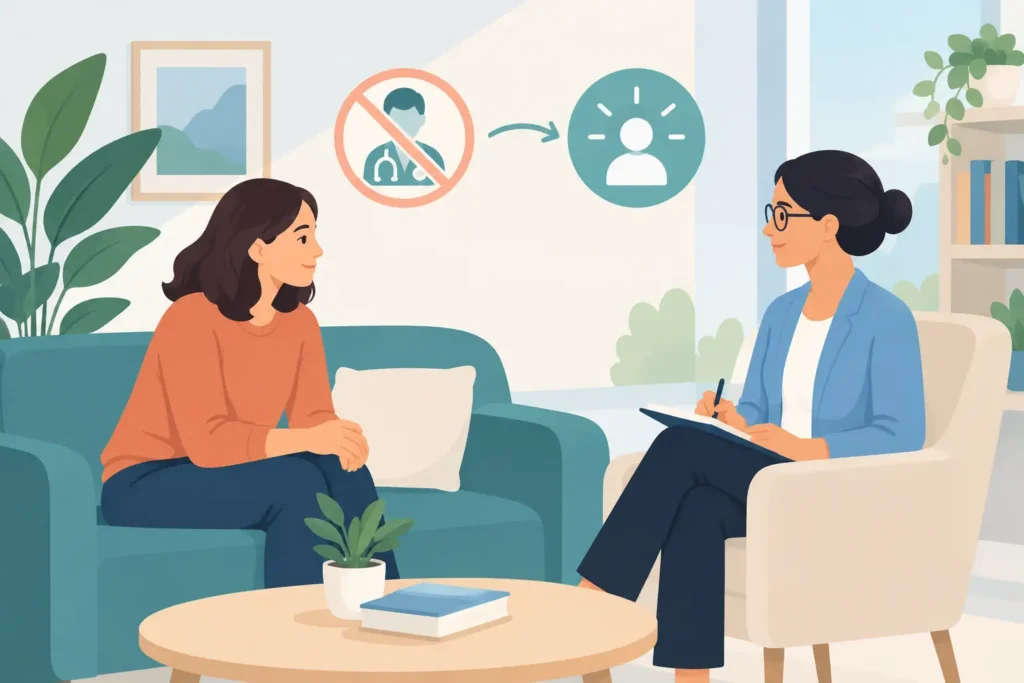
At Ready 2 Heal, confidential intake and HIPAA-compliant communication are part of making care approachable for community members. Whether you prefer virtual support or an in-person visit in the Chicago-area communities served, you can begin by sharing what feels comfortable and asking for guidance. A referral is not required to start the conversation.
It may also help to prepare a short list of goals before intake. You might want support with stress management, emotional wellness, life changes, relationships, or ongoing mental health needs. Sharing even a few details can help the intake team guide you toward care that aligns with your situation.
Choosing the format that supports your wellness
Online counseling offers flexibility that can make consistent care easier. It may fit around work, caregiving, transportation needs, or a busy family schedule. For some people, the familiarity of home makes it easier to settle into a session. For others, an office setting offers a helpful sense of separation and focus.
There is room for both preferences. You can talk with your provider about whether virtual sessions, in-person sessions, or a combination of both supports your goals. Your comfort is meaningful information, and your care plan can reflect it.
Confidential online counseling is built through secure systems, clear consent, thoughtful communication, and a setting that helps you feel at ease. When you are ready, a simple first conversation can be a caring step toward support, resilience, and a stronger sense of well-being.