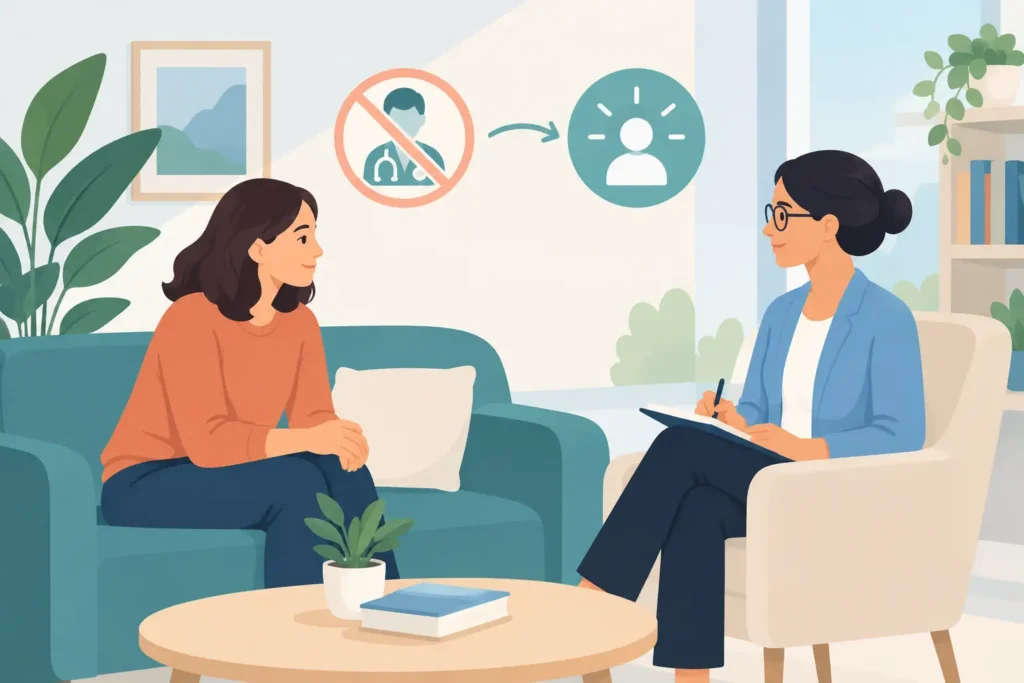

A first virtual counseling appointment can begin in a familiar place: your living room, a quiet bedroom, or any private space where you feel comfortable. That sense of familiarity is one reason many people explore how to start virtual counseling. Care can fit into your routine while still giving your wellness the attention it deserves.
Virtual counseling offers a welcoming way to speak with a behavioral health professional about emotional wellness, life changes, relationships, stress management, and personal goals. The first step does not require expert knowledge of therapy. It simply starts with a conversation about what support would feel most helpful for you.
How to Start Virtual Counseling: Begin With Your Goals
You do not need a perfect explanation of what brings you to counseling. A few simple thoughts can help guide your intake conversation: what has been on your mind, what areas of life you want to strengthen, and what you hope may feel different with support.
Some people begin virtual counseling to build healthy ways to manage stress. Others want a dedicated space to process emotions, improve communication, support family relationships, or nurture resilience during a transition. Every reason is valid, and person-centered care begins by honoring your individual experience.
It can help to write down a few topics before you schedule. Think of these notes as a starting point rather than a script. Your counselor can help shape the conversation and identify a care path that aligns with your needs, preferences, and goals.
Choose a Provider That Makes Care Feel Approachable
The right provider should make the path to support clear and welcoming. Look for a behavioral health team that explains its services in plain language, offers guided intake, and respects your choices throughout the process.
Confidentiality also matters. Virtual counseling should take place through HIPAA-compliant communication tools designed to protect your personal health information. A provider can explain how their video platform works, what information is collected during intake, and how your care team supports privacy.
Convenience may be part of your decision as well. Virtual appointments can be a meaningful option for people balancing work, caregiving, school, transportation, or full family schedules. Some people prefer virtual sessions for ongoing care, while others enjoy having both virtual and in-person options available. The best fit depends on your comfort, schedule, and care preferences.
At Ready 2 Heal, guided intake helps community members find a service path that feels right for their wellness journey. You can connect directly for support, with no referral requirement, and receive care through a compassionate, inclusive approach.
Schedule a Confidential Intake Appointment
An intake appointment is a chance to share what you are looking for and learn more about available services. It is also where the provider gathers information that helps match you with appropriate support. You may be asked about your current goals, health history, preferences for appointments, and whether you are seeking individual, family, or other behavioral health services.
This conversation is designed to be collaborative. You are welcome to ask about a counselor’s approach, appointment availability, virtual session format, insurance or payment options, and next steps. Clear answers help you move forward with confidence.
For many people, scheduling is the moment when counseling becomes real and reachable. Choose a time when you are likely to have privacy and enough room in your day to settle into the session. Even a small amount of transition time before and after an appointment can support a more grounded experience.
Questions That Can Help During Intake
You may want to ask how virtual sessions are accessed, how long appointments usually last, and what preparation is helpful. You can also share what helps you feel comfortable in conversations and whether you have preferences for the kind of support you would like.
A good intake process welcomes questions. Counseling is a partnership, and learning about the process is part of building trust.
Prepare Your Space for a Virtual Session
You do not need a special home office to participate in virtual counseling. A quiet, private space with a reliable internet connection and a device with a camera and microphone is often enough. Headphones can add an extra layer of privacy and help you focus on the conversation.
Consider choosing a place where you can sit comfortably and speak freely. You might keep water nearby, silence notifications, and let household members know you have an appointment. These small choices can create a sense of calm and make the time feel set apart for you.
If technology feels new, ask the provider’s team for instructions before your first session. Many platforms only require a secure link and a few minutes to connect. Logging in a little early gives you time to get settled and feel ready.
What Happens in Your First Virtual Counseling Session?
Your first session is an opportunity to get acquainted with your counselor and begin sharing your story at a pace that feels comfortable. Your counselor may ask about your goals, the strengths you already bring to your life, and the types of support that feel most meaningful to you.
There is room for you to describe what you want from counseling in your own words. You may focus on emotional wellness, daily routines, relationships, personal growth, or a particular change you are navigating. Your counselor listens, offers professional guidance, and works with you to create a supportive direction for care.
The first session may also include practical details about confidentiality, scheduling, communication, and the therapeutic approach. By the end, you may have a clearer picture of what future sessions can look like and how counseling can support your goals over time.
Make Virtual Counseling Part of Your Wellness Routine
Counseling works best when it has a place in your life that feels sustainable. Some people schedule recurring appointments at the same time each week, while others choose times that change with their schedules. Consistency can build momentum, and flexibility can help care remain accessible during busy seasons.
Between sessions, you might reflect on what you discussed, notice moments that connect to your goals, or practice a strategy you and your counselor explored together. These small acts of attention can help extend the value of counseling into everyday life.
It is also helpful to let your counselor know what is working well for you. Person-centered care grows through open communication. As your goals evolve, your sessions can evolve too.
Virtual Counseling FAQs
Is virtual counseling private?
Virtual counseling is provided through secure, HIPAA-compliant technology when you choose a qualified behavioral health provider. Choosing a private location, using headphones, and speaking with your provider about their privacy practices can help you feel at ease.
Do I need a referral to begin?
Many behavioral health providers offer direct access to services. Ready 2 Heal welcomes individuals who are ready to explore support and offers a quick, confidential intake process.
Can virtual counseling support families?
Yes. Virtual care can be a convenient option for adults and families who want supportive conversations that fit their routines. During intake, you can share who will participate and what kind of care you are seeking.
Beginning counseling is a meaningful act of care for yourself and the people who matter to you. A private space, a scheduled intake, and one honest conversation can be the start of support that honors your dignity, wellness, and capacity for resilience.