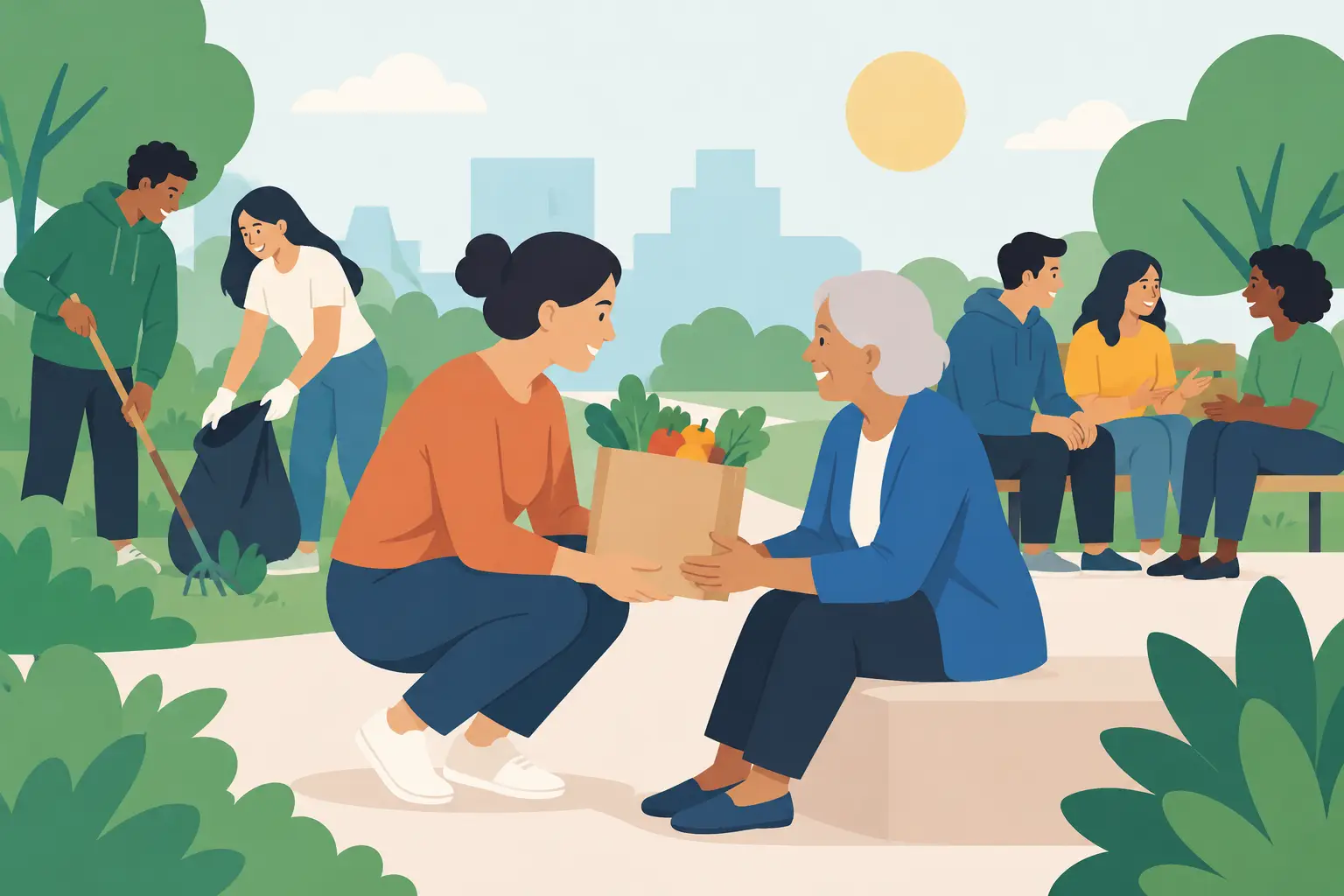
A healthy community is built in everyday moments: a family sharing a meal, a neighbor offering encouragement, a friend making time to listen, or a person choosing to care for their own emotional well-being. Community wellness brings these moments together with accessible behavioral health support, helping people feel seen, valued, and connected.
For individuals and families, wellness is personal. It can include managing stress, building resilience, strengthening relationships, creating healthy routines, and finding a trusted space for meaningful conversation. When care feels welcoming and easy to begin, more people can make room for their well-being.
What Community Wellness Means
Community wellness is the shared health of the people who live, learn, work, and gather in a community. It recognizes that emotional wellness is supported through connection, compassionate services, safe spaces, and practical access to care.
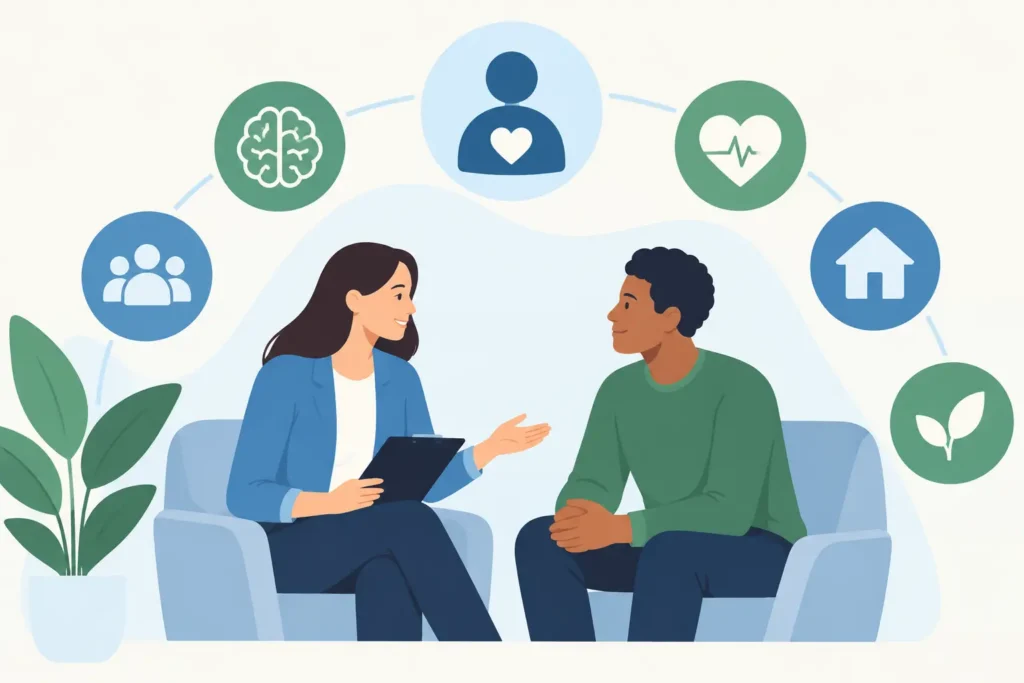
This approach honors every person’s dignity. A parent may benefit from support that fits around family life. An adult may value a private virtual therapy appointment during a busy week. Someone beginning therapy for the first time may appreciate clear guidance about the next step. Each path deserves care that is person-centered, respectful, and built around individual goals.
Community wellness also makes mental health conversations feel more familiar. When people can speak openly about stress management, emotional health, and therapy, seeking support becomes a natural part of caring for oneself and one another.
Why Accessible Care Strengthens a Community
Access is a meaningful part of wellness. People are more likely to connect with care when the process is clear, confidential, and welcoming from the first conversation. Guided intake helps individuals understand available services and choose a care path that fits their needs, preferences, and schedule.
Flexibility matters, too. In-person sessions offer a dedicated setting for personal reflection and connection. Virtual therapy can bring professional support into the comfort of home or another private location. Both options can help care fit naturally into daily life.
For communities in Chicago, Des Plaines, Rosemont, Elmwood Park, Harwood Heights, and Norridge, local behavioral health services can create a closer connection between people and the support they seek. A community-centered provider understands that care is about more than an appointment. It is about helping each person feel welcomed from intake through ongoing support.
Confidentiality supports trust in every setting. HIPAA-compliant communication helps people share openly and comfortably, knowing their personal information is handled with care. This sense of privacy can make the first step feel more approachable for individuals and families alike.
Community Wellness Begins With Personal Choice
Wellness can look different from one person to the next. For one individual, it may mean setting aside time to talk through a major life transition. For another, it may mean developing tools for daily stress management, building communication skills, or creating a consistent therapy routine.
A person-centered approach starts by listening. It invites people to identify what wellness means to them and to take part in shaping their care. This creates space for goals that feel relevant, realistic, and encouraging.
There is value in beginning wherever you are. Some people arrive with a clear idea of the support they want. Others benefit from a conversation that helps organize their options. Both experiences are valid, and both can lead to meaningful progress.
A Welcoming Intake Makes a Difference
The intake process is often a person’s first experience with behavioral health care. A thoughtful process feels calm, clear, and respectful. It gives individuals an opportunity to share what matters to them, ask questions, and learn about services in simple language.
At Ready 2 Heal, guided intake is designed to help people connect with an appropriate service path with confidence. Direct access, flexible appointment options, and confidential communication can help make care feel like a supportive next step in a wellness journey.
A helpful intake also respects each person’s pace. People can take time to consider what type of support feels right, whether that includes in-person therapy, virtual therapy, ongoing emotional wellness support, or stress management services.
The Role of Connection in Emotional Wellness
Connection is a powerful part of community wellness. It can come from family, friends, coworkers, faith communities, neighborhood groups, and caring professionals. These relationships remind people that their experiences matter and that support can be part of everyday life.
Therapy offers a dedicated relationship centered on the individual. It provides time for reflection, growth, and practical skill-building in a private, supportive environment. For many people, this focused space complements the encouragement they receive from loved ones and their broader community.
Communities also benefit when emotional wellness is treated with the same care as physical wellness. Regular conversations about healthy routines, rest, stress support, and emotional resilience can encourage people to be proactive about their well-being. This creates a culture where care is recognized as a strength.
Small Practices That Support Shared Wellness
Community wellness grows through consistent, caring practices. Checking in with someone, honoring personal time, making space for rest, and encouraging a loved one to seek professional support can all contribute to a more connected environment.
Workplaces, schools, community organizations, and families each have a role in creating welcoming spaces. This does not require everyone to have the same experience or the same needs. It simply asks communities to value empathy, privacy, respect, and access to helpful resources.
For individuals, a regular wellness routine can be a meaningful foundation. That routine may include therapy, journaling, movement, time outdoors, spiritual practices, creative activities, or conversations with trusted people. The best routine is one that feels sustainable and supportive for the person using it.
Choosing Support That Fits Your Life
Behavioral health care is most helpful when it fits the person, not the other way around. Consider the kind of setting that feels most comfortable, the times that work best for your schedule, and the goals you would like to explore. A provider can help guide these choices with warmth and professional care.
Some people appreciate the energy of meeting in person. Others enjoy the convenience and privacy of a virtual session. Many value a provider who offers both, allowing care to adapt as routines and preferences evolve.
It also helps to choose a service that communicates clearly. Knowing how to request an appointment, what to expect during intake, and how personal information is protected can create a sense of ease from the start. Accessible care is care that respects a person’s time, questions, and individual story.
A More Caring Future, One Conversation at a Time
Community wellness is not a single program or one person’s responsibility. It is a shared commitment to making emotional support visible, welcoming, and available. It grows when people have places to talk, professionals who listen, and care options that honor dignity and personal choice.
Every conversation about wellness can create more room for connection. Every appointment can be a step toward greater resilience. Every person who chooses support helps shape a community where care feels close, compassionate, and possible.