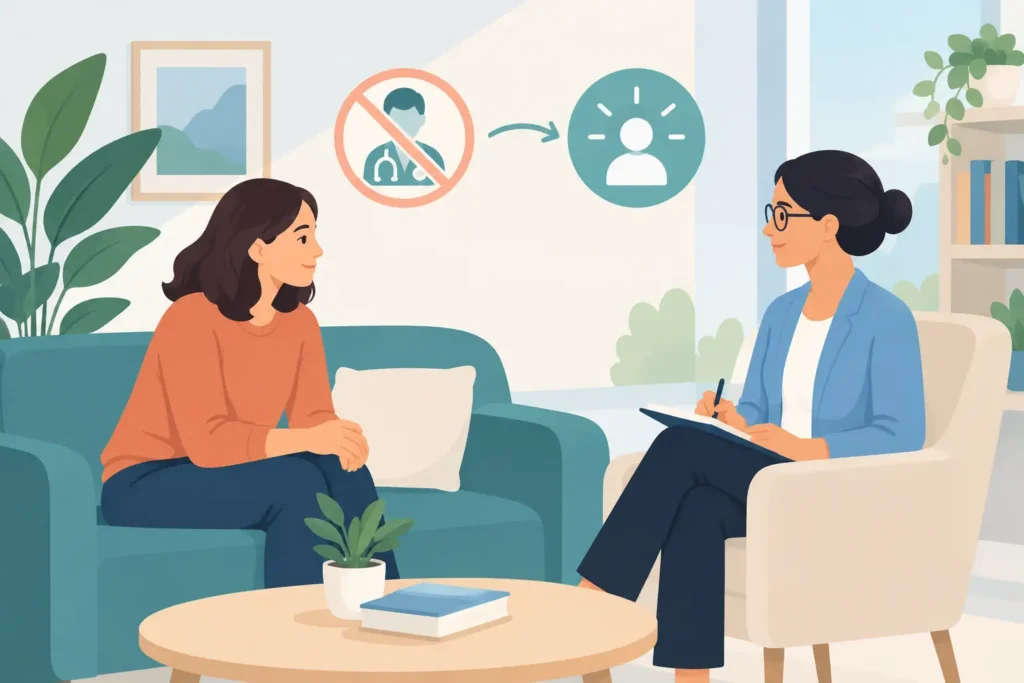

The moment you decide to seek support can be a meaningful act of self-care. Behavioral health services create a welcoming place to talk through what you are feeling, build practical skills, and receive care that respects your goals, identity, and pace. Whether you are exploring therapy for the first time or returning to care, a clear path forward can make the experience feel more comfortable.
Care works best when it feels personal. Your story, strengths, relationships, and hopes all matter. A supportive provider helps turn a broad question – “What kind of help would feel right?” – into a thoughtful next step.
What behavioral health services can support
Behavioral health services support emotional wellness, mental health, and the everyday patterns that shape how people feel and function. They may include individual therapy, family support, stress management, care coordination, guided intake, and education that helps people understand their options.
For some people, therapy is a dedicated space to process a life transition, strengthen communication, or make room for their own needs. For others, it is part of ongoing support for a mental health condition. Both paths deserve thoughtful, affirming care.
The goal is larger than a single appointment. Quality care helps people recognize their resilience, develop useful tools, and create routines that support wellness over time. A therapist may help a client explore thought patterns, practice grounding skills, set boundaries, build emotional awareness, or identify supports within their community.
Care begins with the whole person
A behavioral health provider looks beyond a label or a checklist. Person-centered care starts with listening. It considers your preferences, cultural background, family relationships, daily responsibilities, and the type of support that feels most useful.
That approach matters because people experience wellness in different ways. One person may want a structured plan with clear goals between sessions. Another may value reflective conversation and space to explore. Many people appreciate a combination of both. A collaborative care plan can evolve as your needs and priorities change.
How a guided intake creates a clearer path
Getting started should feel straightforward. A guided intake is a private conversation that helps connect you with services that fit your current goals. It gives you space to share what brings you in, ask questions, and learn what the next steps may look like.
During intake, you may discuss your preferred appointment format, scheduling needs, previous care experiences, and the areas of wellness you would like to focus on. You can also share preferences around communication and the qualities you value in a provider. This early conversation helps create a care experience built around you.
At Ready 2 Heal, the intake process is designed to be quick, confidential, and welcoming. Adults and families can begin directly, with support that makes service selection and scheduling easier to understand.
Privacy is a vital part of feeling comfortable enough to speak openly. HIPAA-compliant communication helps protect personal health information as you connect with your care team. You deserve clarity about how your information is handled and who is involved in your care.
Questions that can help you prepare
You do not need to arrive with every answer. A few simple reflections can help you make the most of an intake conversation: What would you like to feel more supported with? What does a positive change look like in your daily life? Do you prefer meeting virtually, in person, or having flexibility between both? Are there scheduling times that help care fit comfortably into your week?
These questions are invitations, not a test. Your provider can help guide the conversation from there.
Choosing the right format for therapy
Accessible care recognizes that wellness has to fit into real life. Virtual therapy can offer privacy and convenience from a familiar setting, which can be especially helpful for people balancing work, caregiving, school, or transportation needs. In-person therapy offers a dedicated setting away from daily routines and can feel grounding for people who value face-to-face connection.
Each format offers meaningful benefits. The best choice depends on your comfort, schedule, technology preferences, and the kind of environment that helps you focus. Some people choose one consistent format. Others appreciate the ability to use virtual and in-person appointments as their circumstances shift.
For community members in Chicago, Des Plaines, Rosemont, Elmwood Park, Harwood Heights, and Norridge, local in-person options paired with virtual care can provide valuable flexibility. The right service path is the one that feels sustainable and supportive for you.
What person-centered therapy feels like
Person-centered therapy is rooted in respect. You are an active participant in your care, and your provider brings professional guidance while honoring your voice. Together, you create goals that are meaningful in your life.
A first session often focuses on connection. Your therapist may ask about the experiences, relationships, routines, and strengths that shape your current wellness. You can share what you hope to gain from therapy and what helps you feel comfortable in a care relationship.
Over time, sessions may include conversation, reflection, skill building, and progress check-ins. Some weeks may center on immediate stress management. Others may focus on deeper patterns, family communication, emotional wellness, or plans for the future. Care can be both practical and deeply personal.
A strong therapeutic relationship makes room for honesty, curiosity, and growth. If your needs evolve, your care plan can evolve, too. This flexibility is one reason ongoing communication with your provider matters.
Small practices that support care between sessions
Therapy can offer a consistent foundation, while everyday practices help bring wellness into your routines. The most effective practices are usually simple enough to repeat. A brief pause before a busy day, a walk, a journal entry, or a check-in with a trusted person can reinforce the intentions you bring to therapy.
Consider choosing one practice that feels realistic this week. You might set aside ten minutes for quiet reflection, name three feelings at the end of the day, or create a calming transition between work and home. Small actions can build a stronger sense of awareness and choice.
It also helps to notice what already supports you. Music, movement, rest, spiritual practice, creativity, time outdoors, family connection, and community involvement can all be part of a personal wellness plan. Your therapist can help you identify the resources that fit your life and values.
A welcoming next step toward wellness
Seeking behavioral health support is a way of investing in your well-being and your future. You deserve care that is compassionate, confidential, and easy to begin, with professionals who see your strengths alongside your goals.
Start with one conversation. Share what is on your mind, ask the questions that matter to you, and allow the intake process to guide you toward the service path that feels right. Support can begin with a simple, respectful step forward.