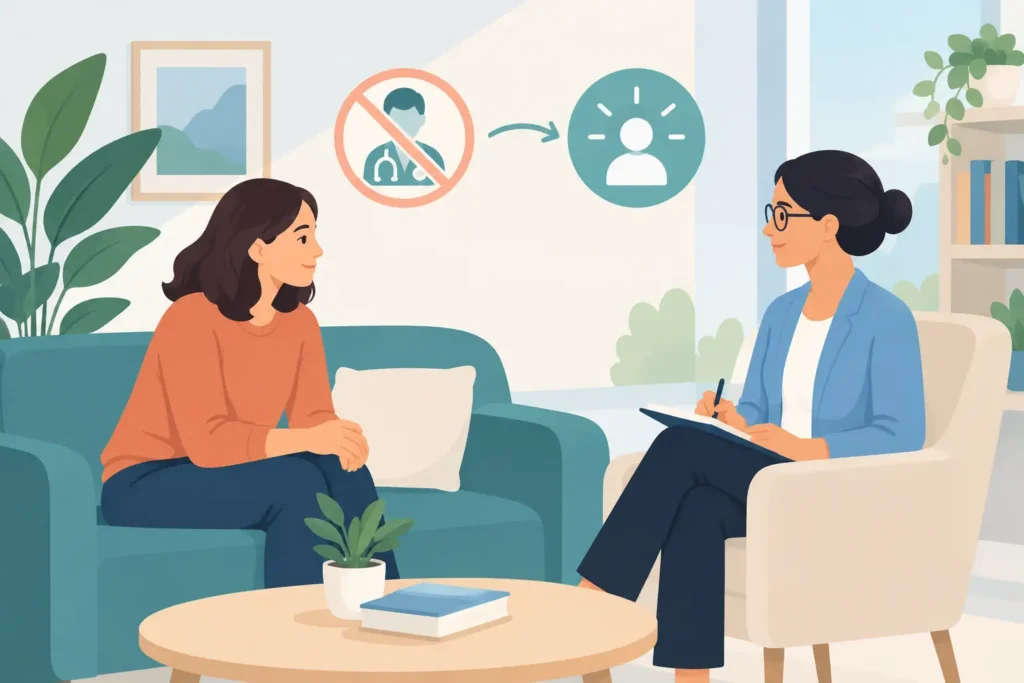

A first conversation with a therapy program should feel clear, welcoming, and centered on you. An outpatient therapy program review helps you look beyond a program name or appointment opening and focus on the experience of care: how you are welcomed, how your goals are understood, and how support fits into your daily life.
Outpatient care can be a meaningful option for adults and families seeking ongoing emotional wellness support while continuing with work, school, family life, and community connections. The right program creates space for healing, growth, and resilience through a care plan that respects your strengths, preferences, and pace.
What an Outpatient Therapy Program Review Should Consider
A helpful review looks at more than convenience. Scheduling matters, especially when life is full, yet the quality of the relationship, the clarity of the intake process, and the program’s approach to person-centered care all shape the value of therapy.
Start by asking how the program helps new clients find the service path that feels right. A thoughtful intake is a sign of respect. It gives you an opportunity to share what brings you to care, what you hope to strengthen, and what support feels most comfortable. The team can then guide you toward services that align with your goals.
A strong program also makes room for your voice throughout care. Therapy works best as a collaborative process. You and your provider can build practical goals together, revisit them over time, and recognize progress in ways that feel meaningful to you.
A Warm, Clear Intake Experience
For many people, the first step is simply deciding to reach out. An accessible outpatient program makes that step feel manageable through straightforward scheduling, confidential communication, and guidance from the first inquiry onward.
Look for an intake process that explains what to expect in plain language. You should know how appointments are scheduled, whether in-person and virtual options are available, and how your information is handled. HIPAA-compliant communication supports privacy and gives clients and families greater peace of mind as they begin.
Programs that welcome direct outreach can also make care easier to start. A referral-free path gives community members a direct way to connect with a behavioral health professional and learn which service may best support their wellness goals.
Person-Centered Care in Everyday Practice
Person-centered care is more than a phrase. It means your values, culture, family relationships, responsibilities, and personal definition of wellness all have a place in the conversation.
During a review, consider how a program speaks about clients. Supportive language, respectful communication, and an affirming environment reflect a commitment to dignity. A provider should help you feel heard and recognized as a whole person with existing strengths and possibilities for growth.
This approach also supports flexibility. One person may value structured tools for stress management, while another may want a reflective space to process emotions, relationships, or life transitions. Both preferences can belong in a personalized therapy experience.
How Outpatient Therapy Fits Into Daily Life
Outpatient therapy is designed around continued connection to daily routines. Sessions may take place in an office, through a secure virtual platform, or through a combination that matches your schedule and comfort.
For people balancing caregiving, commuting, work hours, or school commitments, virtual therapy can offer valuable flexibility. In-person sessions can feel especially grounding for people who value a dedicated space for care and face-to-face connection. It depends on what helps you feel present, supported, and ready to engage.
A review should also explore scheduling options. Consistent appointment times can support routine and momentum. Flexible availability can be helpful when weekly responsibilities vary. The ideal choice is the one that allows therapy to become a sustainable part of your wellness plan.
Goals That Feel Meaningful and Practical
Therapy goals do not have to sound clinical to be valuable. You may want to build emotional awareness, develop calming routines, communicate with greater confidence, strengthen relationships, or create more room for rest and self-care.
A quality outpatient program helps translate broad hopes into practical next steps. For example, stress management support may include identifying patterns, practicing grounding skills, and creating routines that support emotional balance. Relationship-focused work may include exploring communication styles and building tools for connection.
Progress can look different for every person. Some clients notice greater clarity in a few sessions. Others value the steady support of an ongoing therapeutic relationship. Both experiences are meaningful, and a thoughtful program honors the pace that serves you best.
Questions That Help You Choose a Program
Before scheduling, a few simple questions can provide a clearer picture of the experience ahead. You might ask how the program matches clients with providers, what therapy formats are available, and how the team supports comfort during the first appointment.
It can also be useful to ask about the provider’s approach. Some therapists incorporate structured skill-building, while others emphasize open conversation, reflection, and insight. Many use a blend of approaches based on the client’s goals. The best fit is often a provider whose style feels collaborative and whose communication helps you feel at ease.
Families may also want to understand how loved ones can be included when appropriate. Family involvement can create additional support, shared understanding, and practical ways to encourage wellness at home. Each person’s preferences and privacy remain central to this conversation.
Access, Privacy, and Respect
An outpatient program should make access feel simple and respectful. Clear instructions, welcoming staff, and timely communication all help create a smooth beginning. These details may seem small, yet they show how a program values the people it serves.
Privacy is equally essential. A professional program explains how personal health information is protected and uses HIPAA-compliant practices for communication and care coordination. Knowing that your information is treated with care can help you focus fully on your wellness journey.
For community members in Chicago, Des Plaines, Rosemont, Elmwood Park, Harwood Heights, and Norridge, local in-person care can offer the comfort of nearby support, while virtual options can add flexibility across busy schedules.
What a Positive Review Can Tell You
A program review can offer useful insight when it describes specific parts of the client experience. Look for themes such as compassionate staff, clear communication, respectful providers, easy scheduling, and a welcoming environment. These details can tell you more than broad statements alone.
At the same time, your own experience and preferences deserve equal weight. A program may offer excellent virtual availability, while you may feel most connected in person. Another program may have a style that feels highly structured, while you may prefer a more conversational approach. Choosing care is personal, and your comfort is a meaningful guide.
You can also pay attention to how a program presents its values. Community-centered providers often emphasize accessibility, inclusivity, and emotional wellness because these principles shape every stage of care, from intake through ongoing support.
Taking the Next Step With Confidence
Beginning therapy can be an act of self-respect. You do not need to have every goal perfectly defined before reaching out. A compassionate intake conversation can help you put words to what you are feeling and identify the kind of support that may serve you well.
Ready 2 Heal offers an approachable path for people seeking person-centered behavioral health support, with confidential intake and in-person or virtual therapy options. The focus is on helping each community member move forward with dignity, clarity, and care.
The program that feels right is one where you can show up as yourself, share your goals openly, and build practical support for the life you want to live.